

Sacred Valley
Río Sagrado, Tambo del Inka, Sol y Luna — acclimatise first.
The Lucalvry view
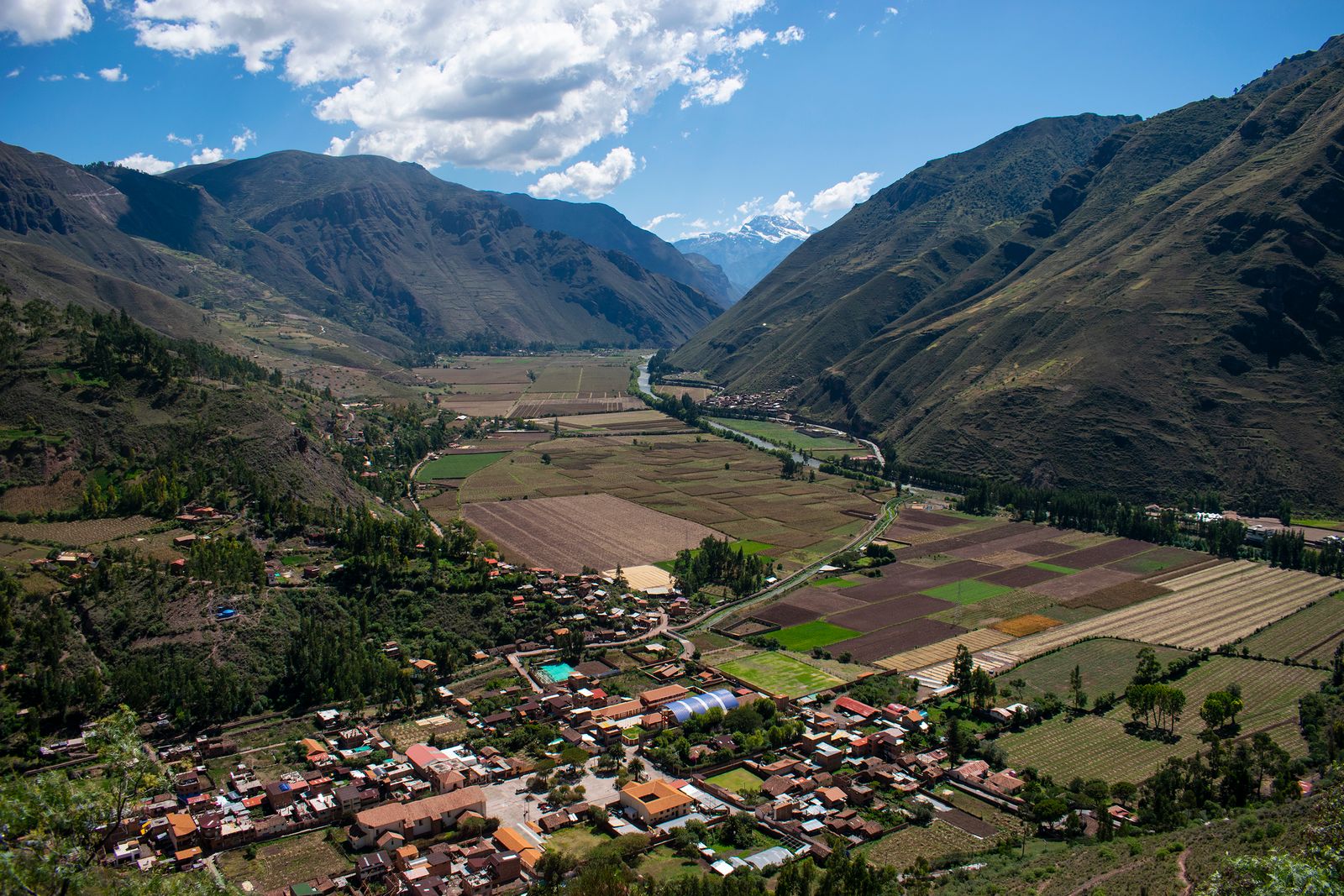
The Sacred Valley of the Incas is the agricultural heartland of the Inca empire — a lush, terraced river valley running northwest from Cusco at a much-kinder 2,800-metre elevation, anchored at Pisac at one end and Ollantaytambo at the other, with the Belmond Río Sagrado, the Tambo del Inka Resort, and the Inkaterra Hacienda Urubamba forming the backbone of one of the world's strongest mid-altitude lodge clusters. The valley is the smart entry point for the Cusco region — the Lima-to-Cusco flight lands you at 3,400m, and dropping straight down to the valley's 2,870m gives the body two or three nights to acclimatise before any serious activity at altitude.
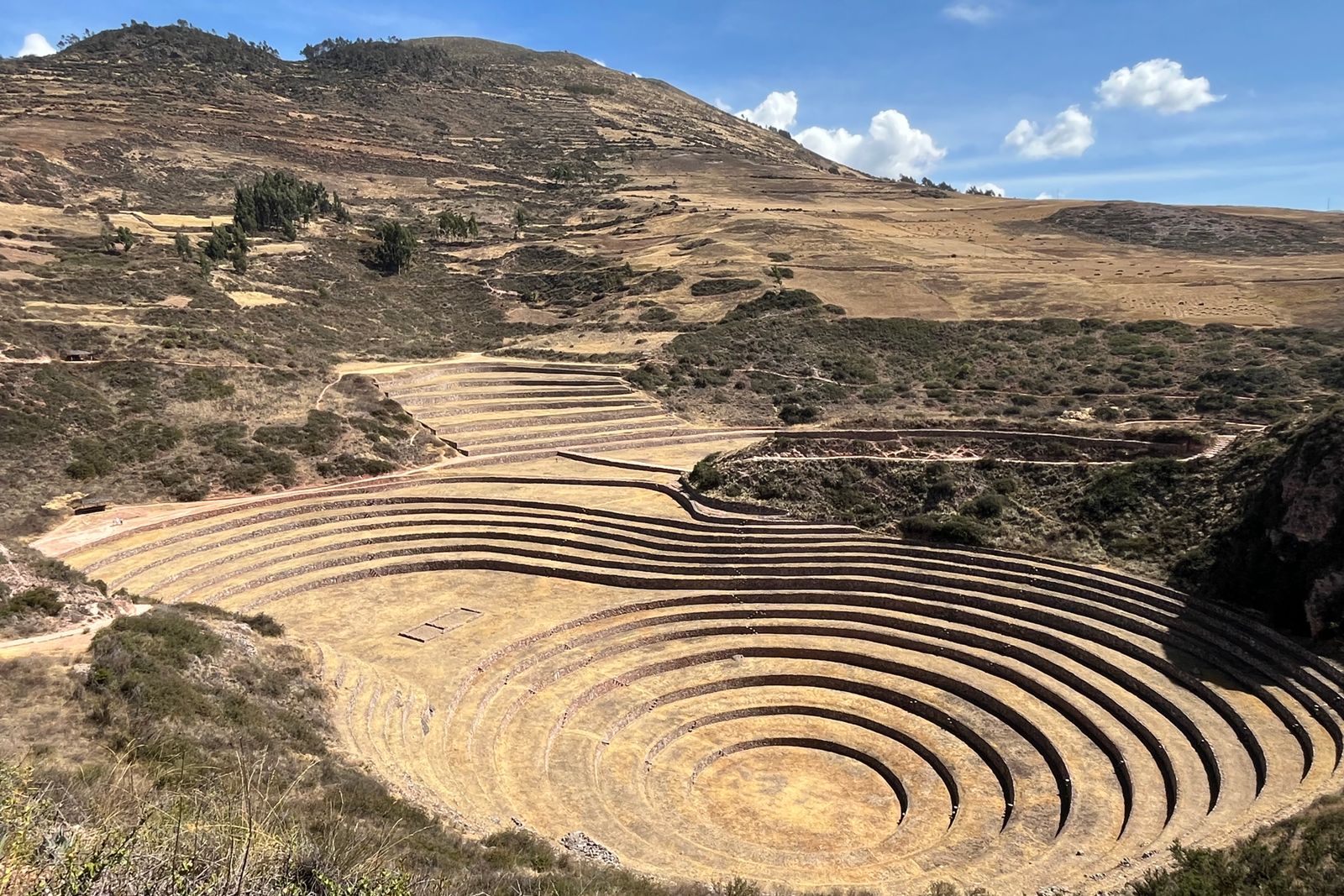
The valley also covers the most interesting Inca archaeology outside Machu Picchu itself. Pisac's terraced ruins above the Sunday market (allow a half-day with a private guide), Ollantaytambo's still-inhabited Inca town and fortress (the only place where Spanish forces lost a battle to the Incas), the salt pans of Maras and the circular agricultural terraces of Moray (the Incas' open-air laboratory for crop cultivation at altitude). Each is a half-day excursion from a valley lodge, and most travellers cover them in two days plus a Machu Picchu day from Ollantaytambo train station.
Three or four nights is the right minimum — two for the valley archaeology and acclimatisation, plus the Machu Picchu day-trip. The valley flips the usual logic of 'get to Machu Picchu fast' into 'arrive low, walk slowly, see the citadel from a position of strength on day three or four.' The lodge product is genuinely strong (the Belmond Río Sagrado is the headline; the Inkaterra Hacienda is the more relaxed alternative; the Tambo del Inka has the only direct rail station on the property), and the valley scenery — terraced fields, the Urubamba River, the snow-capped Chicón at the head of the valley — quietly rivals anything in the Andes.
Neighborhoods
Where to base yourself
Urubamba (the central valley town)
Stay hereThe valley's logistics centre — Tambo del Inka resort with its private train station, plus the Inkaterra Hacienda 15 minutes east. The standard lodge belt.
Yanahuara & Huayoccari
Stay hereThe riverside lodge cluster between Urubamba and Ollantaytambo — Belmond Río Sagrado, Sol y Luna Lodge & Spa. Quietest and most scenic stretch of the valley.
Ollantaytambo
The still-inhabited Inca town at the western end of the valley — fortress ruins, narrow cobbled streets, and the train station for Machu Picchu. The right base for a Machu-Picchu-focused short stay.
Pisac
The eastern end of the valley — the famous Sunday artisan market, the terraced Pisac ruins above the town, and a smaller cluster of independent boutique hotels (Aranwa, Pisaq Inn). Less polished than the central belt.
Maras & Moray
The high plateau above the valley — the salt pans of Maras (3,300m, dramatic visual), the circular agricultural terraces of Moray (3,500m). Day-excursion territory, not a stay base.
Hotels
Where to stay
- $$$$
Belmond Hotel Río Sagrado
21 villas and rooms on the Urubamba riverbank — the headline Sacred Valley luxury anchor with the strongest spa.
- $$$$
Inkaterra Hacienda Urubamba
36 casitas on a 100-acre Andean farmstead at 2,800m — the most acclimatisation-friendly and the most generous land in the valley.
- $$$$
Tambo del Inka, A Luxury Collection Resort & Spa
128-room riverside resort with its own private PeruRail station — the only Sacred Valley hotel where the Machu Picchu train collects you on the property.
- $$$$
Sol y Luna Lodge & Spa, Relais & Châteaux
43 garden casitas with a serious horsemanship programme — the equestrian-led alternative to the river lodges.
- $$$$
Explora Valle Sagrado
50 rooms at the western end of the valley near Urquillos — Explora's all-inclusive guide-led model brought to Peru, the strongest excursion programme in the region.
Dining
Where to eat
- $$$$
Mil, Moray
Virgilio Martínez's high-altitude Central sister — eight courses sourced within walking distance of the dining room above the Moray terraces. Lunch only.
- $$$$
Belmond Río Sagrado dining room
Set menus drawing on the lodge's organic garden — the strongest in-lodge dining in the valley and a destination meal for non-guests by reservation.
- $$
Hawa Restaurant, Ollantaytambo
The town's most ambitious independent kitchen — Andean-Mediterranean small plates, strong wine list, and a calm cobbled-street setting.
- $$$
Huayoccari Hacienda Restaurant
Lunch on a working family hacienda above Urubamba — a five-course set lunch with hacienda art collection visit. By reservation only.
- $$
El Albergue, Ollantaytambo
Long-established restaurant attached to the historic train-station hotel — strong cuy and trout, and the most reliable pre-train lunch in town.
An ideal day
What to do
- Day 1
Lima–Cusco morning flight, immediate transfer down to the valley (90 minutes by road) and check into a riverside lodge. Easy garden walk, coca tea, no exertion. Early bed.
- Day 2
Acclimatisation half-day — Pisac ruins above the Sunday market in the morning (allow 2 hours with a guide), lunch back at the lodge, full afternoon rest.
- Day 3
Maras and Moray plateau day — the salt pans of Maras (3,300m, the most photographed landscape in the valley) and the Moray agricultural terraces. Lunch at Mil if booked three weeks ahead.
- Day 4
Ollantaytambo morning — the fortress ruins above the town and the still-inhabited Inca street grid. Catch the afternoon Vistadome train to Aguas Calientes for an overnight near Machu Picchu.
- Day 5
Machu Picchu sunrise visit (first bus up at 5.30am from Aguas Calientes), 2–3 hours with a guide on the citadel, return train back to the valley by mid-afternoon.
- Day 6
Optional rest day — horse ride at Sol y Luna, or transfer up to Cusco for the city-stay back-end of the trip.
Logistics
Getting around
The Sacred Valley is reached via Cusco's Velasco Astete Airport (CUZ) — the road transfer down to Urubamba is 90 minutes (US$60–120 private) on a sealed but winding road. All serious lodges arrange transfers; book through the lodge rather than negotiating airport taxis. Inside the valley, hiring a private driver-guide for the archaeology days is the standard model (US$150–250 per day with English-speaking guide and entrance tickets included) — Aracari, Enigma, and Andean Photo Expeditions are the standing operators. Self-driving is legal but ill-advised; the road network is straightforward but the altitude impairs decision-making and serious archaeological context benefits from a guide. For the Machu Picchu day, the PeruRail Vistadome from Ollantaytambo (90 minutes each way) is the standard service; the luxury Hiram Bingham runs from Poroy near Cusco.
Cost snapshot
What things cost in Sacred Valley
- Espresso
- $3.00
- Dinner for two
- $45
- Taxi (5 km)
- $8
- 4★ hotel/night
- $240
Numbeo medians, mid-week shoulder season. Verified 2026-05-13.
Best time to visit
Twelve months in Sacred Valley
| Month | Avg high | Rain days | Crowds | Prices |
|---|---|---|---|---|
| Jan | 22°C | 15 | ●●●●● | ●●●●● |
| Feb | 22°C | 14 | ●●●●● | ●●●●● |
| Mar | 22°C | 12 | ●●●●● | ●●●●● |
| Apr | 22°C | 6 | ●●●●● | ●●●●● |
| May | 22°C | 3 | ●●●●● | ●●●●● |
| Jun | 21°C | 2 | ●●●●● | ●●●●● |
| Jul | 21°C | 2 | ●●●●● | ●●●●● |
| Aug | 22°C | 3 | ●●●●● | ●●●●● |
| Sep | 22°C | 6 | ●●●●● | ●●●●● |
| Oct | 23°C | 9 | ●●●●● | ●●●●● |
| Nov | 23°C | 11 | ●●●●● | ●●●●● |
| Dec | 22°C | 14 | ●●●●● | ●●●●● |
FAQ
Common questions about Sacred Valley
- How many nights do I need in the Sacred Valley?
- Three nights is the working minimum — one for the arrival and acclimatisation, one for the valley archaeology (Pisac, Maras, Moray), and one for the Machu Picchu day-trip. Four nights lets you split the Machu Picchu day into a relaxed two-night stay at a Belmond Sanctuary Lodge or El MaPi at Aguas Calientes for a sunrise-and-sunset visit. Most travellers combine three valley nights with two Cusco city nights and one or two Lima bookend nights for a 7–9 night total Peru trip.
- Best time to visit the Sacred Valley?
- May–September is the Andean dry season and the only serious window. May and September are the editor's months — dry, kinder rates, the surrounding peaks at their snowiest, and the trekking trails open without the June–August peak crowding. October–April is the wet season — afternoon rain is daily and the river runs high, but the valley is genuinely beautiful in the rains and rates are 30–40% softer; February sees the Inca Trail closed for maintenance and Machu Picchu visits are weather-dependent.
- Sacred Valley before Cusco — is it really better?
- Yes, and it's now the consistently recommended high-end planning. Cusco's 3,400m is materially higher than the valley's 2,870m, and dropping straight from sea-level Lima to Cusco delivers the standard altitude penalties — headache, breathlessness, poor sleep — for the first 36 hours. Acclimatising in the valley first lets you arrive at Cusco on day three or four feeling well, and the headline Cusco activities (Sacsayhuamán, the colonial walking circuit) are then genuinely enjoyable rather than a forced march.
- Belmond Río Sagrado, Tambo del Inka, or Inkaterra Hacienda?
- All three are excellent and the choice is about feel. Belmond Río Sagrado is the polished riverside choice — the strongest spa, the most photogenic riverbank setting. Tambo del Inka has the operational advantage of its own PeruRail station — the Machu Picchu train collects you on the hotel property. Inkaterra Hacienda Urubamba is the most relaxed and the most acclimatisation-friendly — 100 acres of working farmstead, organic gardens, and the easiest valley arrival for travellers worried about the altitude.
- Mil restaurant — worth the lunch trip?
- Yes, if the dietary tolerance and the booking align. Virgilio Martínez's Moray restaurant — the high-altitude sister to Lima's Central — sources every ingredient from within walking distance of the dining room and serves an eight-course set menu drawing on Andean tubers, herbs, and meats most travellers will not have eaten. The setting (3,500m above the Moray agricultural terraces, glass-walled, 24 covers) is the strongest dining-room view in Peru. Book three weeks ahead minimum; the lunch is the only service.
From the edit
Guides & stays in Sacred Valley
 Hotels
Best Luxury Lodges in Peru's Sacred Valley 2026: Six Andean Stays Tested
Six Sacred Valley lodges we paid to test in 2026 — the converted-hacienda flagships, the river-edge design lodges, and the smartest sub-USD 700 sleepers en route to Machu Picchu.
May 14, 2026 · 12 min read
 Destinations
Where to Stay in the Sacred Valley (2026): Urubamba vs Ollantaytambo vs Yucay Picks
The three Sacred Valley bases that earn a luxury booking — Urubamba for the lodge-scale resort anchor, Ollantaytambo for the rail-station archaeology base, and Yucay for the quieter-end colonial-hacienda alternative — with named hotels and the textbook altitude-and-rail rhythm.
May 19, 2026 · 13 min read
 Destinations
Sacred Valley Archaeology and Maras-Moray Itinerary (2026): 4-Day Inca-Site Rotation
A four-day Sacred Valley itinerary built on the Pisac terraces, the Moray concentric-circle agricultural-research site, the Salineras de Maras salt-pans and the Ollantaytambo Fortress — with named hotels, real admission rhythms and the in-property private-guide booking.
May 19, 2026 · 14 min read
Also in Peru
 Hotels
Best Luxury Hotels in Cusco 2026
Cusco 2026’s best luxury hotels, tested on paid stays: palace icons, design boutiques, wellness-led retreats, and values—clear pros, named cons, zero fluff.
May 14, 2026 · 16 min read
HotelsBest Luxury Hotels in Peru 2026
Our pick of Peru's luxury hotels in 2026, tested across Lima, Cusco, the Sacred Valley, and Arequipa—where design meets altitude service.
May 14, 2026 · 8 min
HotelsThe 5 Best Luxury Hotels in Lima for 2026
Miraflores cliff hotels, Barranco design boltholes, and the Country Club grande dame — five properties tested across a paid week in Peru's culinary capital.
May 14, 2026 · 12 min read
Sources
- Numbeo cost-of-living — Sacred Valley — verified 2026-05-13
- climate-data.org — Sacred Valley — verified 2026-05-13
Last updated 2026-05-14 by The Lucalvry Edit.