

Cusco
Belmond Monasterio or Palacio Nazarenas — colonial-luxury base.
The Lucalvry view
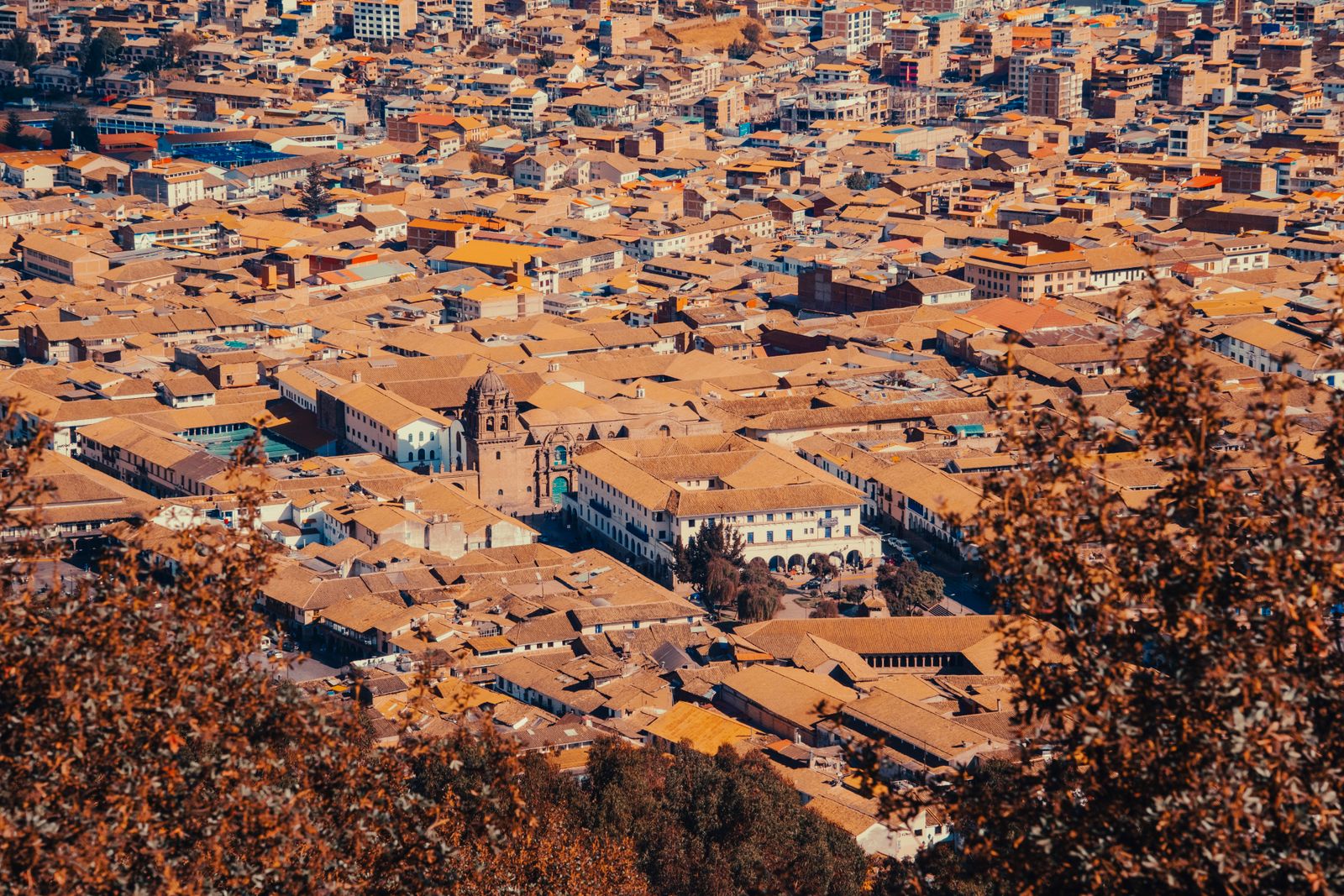
Cusco is the colonial-baroque capital of the Inca empire — a UNESCO-listed city of 430,000 at 3,400 metres in the southern Peruvian Andes, built on the foundations of the Inca capital with whose stones the conquistadors raised the Spanish churches and monasteries. The city is the cultural and logistical anchor of the Sacred Valley and the Machu Picchu trip, and the luxury hotel cluster (Belmond Monasterio in a 1592 seminary, Belmond Palacio Nazarenas in a 16th-century convent, the JW Marriott in an Inca-Spanish hybrid building) is genuinely the strongest in the Andes.
The altitude is the operating constraint. Cusco at 3,400m is materially higher than Quito (2,850m) or Bogotá (2,640m) and the standard travel advice — fly into the lower Sacred Valley first (Urubamba sits at 2,870m), spend two or three acclimatisation nights, and only then come up to Cusco — has become the genuinely accepted high-end planning. The reverse routing (Lima-Cusco direct, then drop down to the valley) leaves most travellers headache-bound for the first 36 hours and we now consistently steer trips through the valley first.
Two or three nights in Cusco itself is the right answer. Day one for acclimatisation walks — Plaza de Armas, the Cathedral, the Coricancha (Temple of the Sun) — and the city's serious dining scene (Cicciolina, MAP Café, Chicha by Gastón Acurio). Day two for the four ruins above the city — Sacsayhuamán, Q'enqo, Puca Pucara, Tambomachay — best done with a private guide and a half-day vehicle. Most travellers then take the Vistadome or the Hiram Bingham train to Aguas Calientes for the Machu Picchu day, returning to Cusco the same evening. The city deserves the second-stay slot at the back-end of the trip more than the front.
Neighborhoods
Where to base yourself
Plaza de Armas & Centro Histórico
Stay hereThe colonial heart — Cathedral, Compañía de Jesús, the surrounding arcaded streets. JW Marriott and the Belmond Palacio Nazarenas are within five minutes' walk. The default base.
San Blas
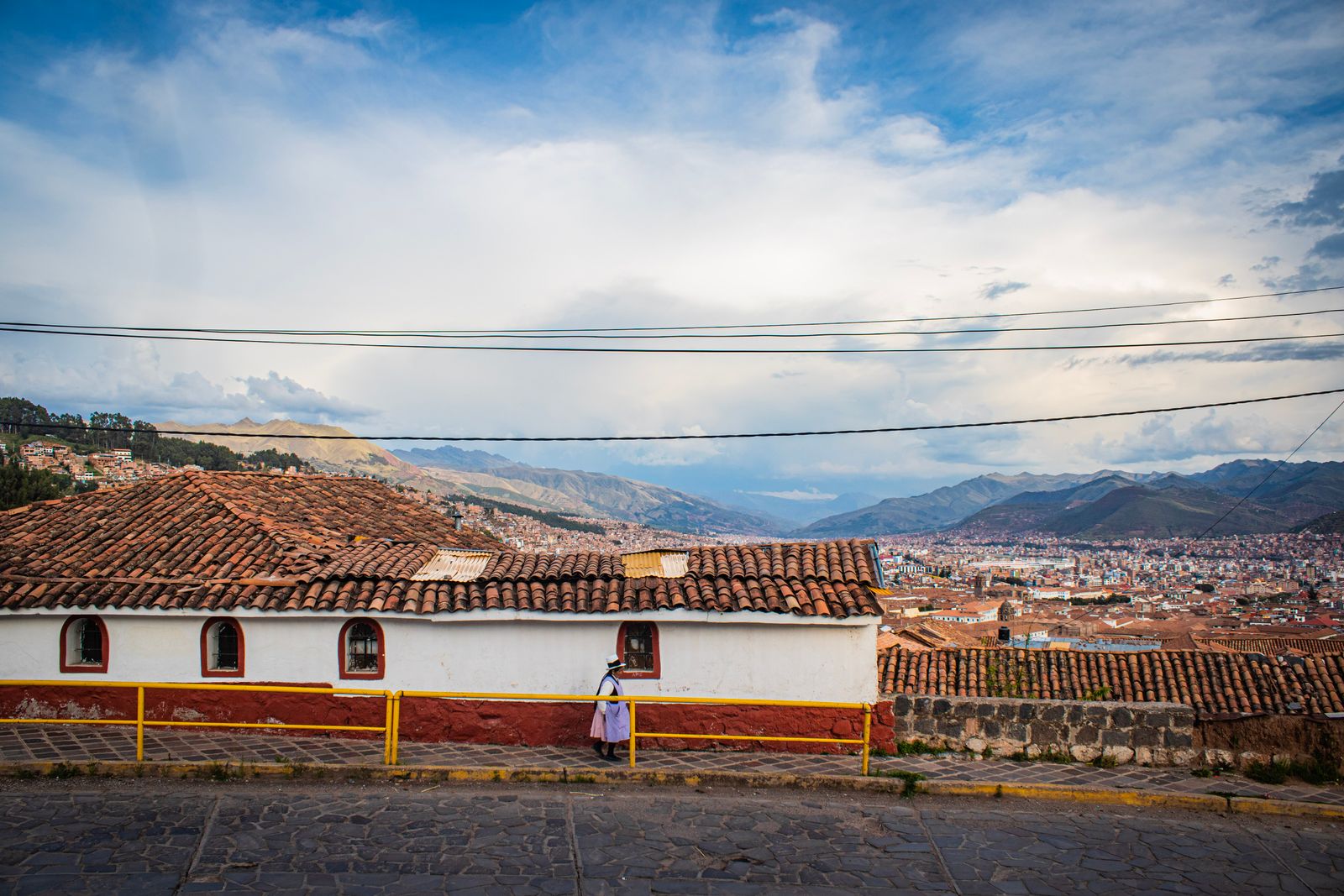
The artist-and-craftsman quarter on the slope above the Plaza — cobbled steep streets, the city's strongest workshop concentration, and the smaller boutique hotels (Casa Cartagena, Antigua Casona San Blas). The character stay.
San Pedro & the Mercado
The working market quarter west of the centre — the Mercado de San Pedro is the headline daytime visit (early morning, before the tourist tour groups), and the surrounding streets house smaller mid-luxe stays.
San Cristóbal & the upper city
The hillside suburb above San Blas — quieter, better Plaza views, but the steeper walking up and down at altitude is a meaningful daily tax.
Hotels
Where to stay
- $$$$
Belmond Hotel Monasterio
1592 Jesuit seminary converted to 122 rooms around three colonial cloisters — the headline Cusco luxury stay and the only hotel with oxygen-enriched rooms.
- $$$$
Belmond Palacio Nazarenas, Cusco
55-suite all-suite property in a converted 16th-century convent — the more design-forward and quieter Belmond sister, with an outdoor heated pool.
- $$$$
JW Marriott El Convento Cusco
153 rooms in a 16th-century convent with the on-site Inca walls visible through glass floors — the strongest large-scale luxury option, oxygen-enriched rooms throughout.
- $$$$
Casa Cartagena Boutique Hotel
16-suite Italian-designed conversion of a colonial mansion — the strongest design statement in the city.
- $$$$
Inkaterra La Casona
11-suite Relais & Châteaux conversion of a 16th-century manor on Plaza Nazarenas — the most intimate luxury option in the city.
Dining
Where to eat
- $$$
Cicciolina, Centro
The longstanding Italian-Peruvian above an artisan bakery — strong tapas at the bar, full menu in the dining room, and the most reliable serious meal in Cusco.
- $$$$
MAP Café, Pre-Columbian Art Museum
Glass-walled courtyard restaurant inside the Pre-Columbian Art Museum — the most architecturally serious dining room in the city.
- $$$
Chicha por Gastón Acurio, Plaza Regocijo
Acurio's Andean-cuisine flagship in Cusco — the alpaca anticuchos and the regional Andean tasting plates are the orders.
- $$$
Limo, Plaza de Armas
Plaza-view second-floor Nikkei restaurant — the ceviche and tiradito flight is the strong order, and the room captures the Plaza at night.
- $$
Pachapapa, San Blas
Open-courtyard Andean kitchen — cuy (guinea pig) cooked in the wood-fired oven and the slow-roasted lamb are the regional headline dishes.
An ideal day
What to do
- Day 1
Slow acclimatisation walk — Plaza de Armas, Cathedral, Coricancha (the Temple of the Sun under the Santo Domingo church). Coca-tea breaks, no exertion, early bed.
- Day 2
Four-ruins above the city — Sacsayhuamán, Q'enqo, Puca Pucara, Tambomachay — half-day with a private guide and vehicle. Lunch back in town at Cicciolina.
- Day 3
Mercado de San Pedro at 8am (before the tour groups), then the Pre-Columbian Art Museum and lunch at MAP Café in its glass-walled courtyard.
- Day 4
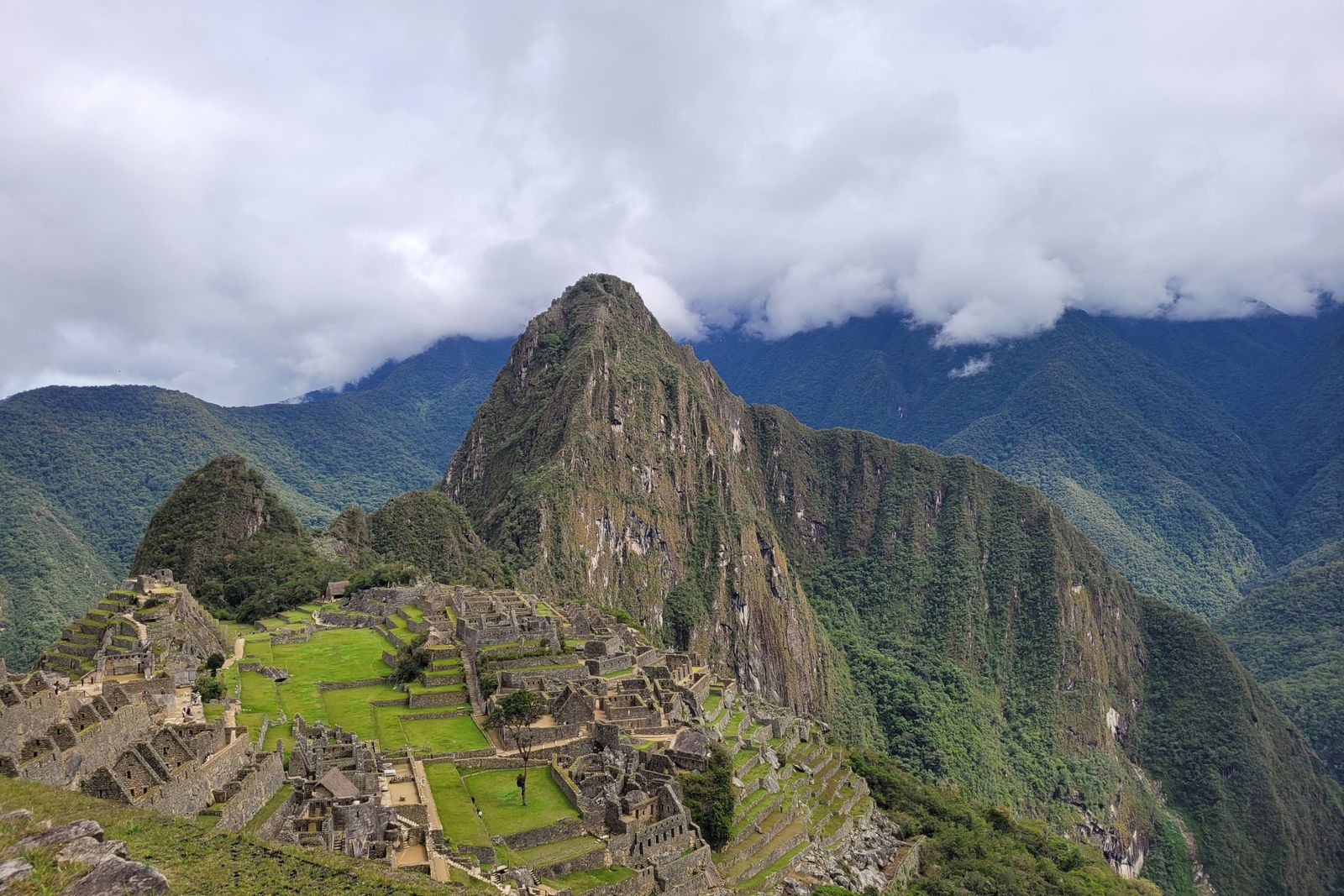
Machu Picchu day — Vistadome or Hiram Bingham train from Poroy to Aguas Calientes, the bus up to the citadel, a 2–3 hour guided visit, return train. Long but coverable as a day-trip.
- Day 5
Easier final day — San Blas workshops walk, Tambomachay hot springs, sunset at the Cristo Blanco viewpoint above the city.
Logistics
Getting around
Cusco's Velasco Astete Airport (CUZ) sits 10 minutes south of the centre — multiple daily LATAM, Sky, and JetSmart flights from Lima (a 75-minute hop) and seasonal direct from La Paz. From CUZ, taxis to the centre cost US$8–12; hotel transfers are US$25–40. Inside the city, walking is the only practical option in the historic centre — the cobbled streets are steep, the altitude makes everything slower, and motor traffic in the centre is restricted. Take frequent breaks; what looks like a 10-minute walk is genuinely 20 at this elevation. For the four-ruins circuit and the Sacred Valley day-trips, hire a private guide with vehicle (US$120–200 per day) — Enigma, Andean Photo Expeditions, and Aracari are the standing operators. Skip rental cars.
Cost snapshot
What things cost in Cusco
- Espresso
- $2.50
- Dinner for two
- $35
- Taxi (5 km)
- $5
- 4★ hotel/night
- $180
Numbeo medians, mid-week shoulder season. Verified 2026-05-13.
Best time to visit
Twelve months in Cusco
| Month | Avg high | Rain days | Crowds | Prices |
|---|---|---|---|---|
| Jan | 20°C | 16 | ●●●●● | ●●●●● |
| Feb | 20°C | 15 | ●●●●● | ●●●●● |
| Mar | 20°C | 13 | ●●●●● | ●●●●● |
| Apr | 21°C | 7 | ●●●●● | ●●●●● |
| May | 21°C | 3 | ●●●●● | ●●●●● |
| Jun | 21°C | 2 | ●●●●● | ●●●●● |
| Jul | 21°C | 2 | ●●●●● | ●●●●● |
| Aug | 21°C | 3 | ●●●●● | ●●●●● |
| Sep | 21°C | 6 | ●●●●● | ●●●●● |
| Oct | 22°C | 9 | ●●●●● | ●●●●● |
| Nov | 22°C | 11 | ●●●●● | ●●●●● |
| Dec | 21°C | 14 | ●●●●● | ●●●●● |
FAQ
Common questions about Cusco
- How many days do I need in Cusco?
- Two to three nights in the city itself, plus the Sacred Valley acclimatisation nights before and the Machu Picchu day in the middle. The right total Cusco-region trip is six to seven nights — three Sacred Valley (acclimatising), two Cusco city (the colonial culture and the dining), and the Machu Picchu day-trip from one of those bases. Less than that and the altitude penalties make the trip exhausting.
- Best time to visit Cusco?
- May–September is the Andean dry season and the only window we book. Within that, May and September are the editor's months — the dry weather has settled, the rates are softer than the June–August peak, and the Inti Raymi festival (June 24) brings the city's biggest cultural moment. October–April is the wet season — the trains and the Inca Trail are still operating but afternoon rain is daily, the cloud cover at Machu Picchu is frequent, and February sees the Inca Trail closed entirely for maintenance.
- Is the altitude a problem in Cusco?
- Manageable but real, and worse than most travellers expect. Cusco at 3,400m is meaningfully higher than Quito or Bogotá; about a third of first-time visitors get headaches, sleep poorly, or feel breathless on the first night. The standard mitigation is to fly into the Sacred Valley first (Urubamba is 530m lower at 2,870m) and acclimatise for two or three nights before coming up. Drink water aggressively, avoid alcohol on the first two nights, take it slow on the cobbles, and the hotels (Belmond and JW) all offer oxygen-enriched rooms or supplemental oxygen on call.
- Cusco or Sacred Valley as the base?
- Both, in that order. Spend the first three nights in the Sacred Valley (lower altitude, easier acclimatisation, the Inkaterra Hacienda Urubamba and Belmond Río Sagrado are the lodge anchors); then move up to Cusco for two nights of city culture and serious dining; do the Machu Picchu day from whichever base it fits. Trying to do Machu Picchu and Cusco only, without the Sacred Valley, removes the lower-altitude buffer that makes the whole trip pleasant.
- Train to Machu Picchu — Vistadome or Hiram Bingham?
- Vistadome is the standard PeruRail glass-roof service — comfortable, US$130 round-trip from Poroy, the one most travellers take. Hiram Bingham is the luxury option — Belmond's all-inclusive Pullman service with brunch, dinner, an open-air observation car, and a private bus to the citadel; US$1,000 per person and the most reliably special way to do the Machu Picchu day. Both arrive at Aguas Calientes; the difference is the journey, not the destination.
From the edit
Guides & stays in Cusco
 Hotels
Best Luxury Hotels in Cusco 2026
Cusco 2026’s best luxury hotels, tested on paid stays: palace icons, design boutiques, wellness-led retreats, and values—clear pros, named cons, zero fluff.
May 14, 2026 · 16 min read
 Destinations
Where to Stay in Cusco (2026): Centro Histórico vs San Blas vs Sacred Valley Picks
The three Cusco bases that earn a luxury booking — the Centro Histórico for the Plaza-de-Armas-walkable rotation, San Blas for the artisan-quarter boutique pick, and the Sacred Valley for the lower-altitude acclimatization base — with named hotels and the textbook altitude rhythm.
May 18, 2026 · 13 min read
 Destinations
Cusco Acclimatization and Machu Picchu Itinerary (2026): 5-Day Altitude-Aware Rotation
A five-day Cusco-and-Machu Picchu itinerary built on the lower-altitude Sacred Valley acclimatization base, the textbook Ollantaytambo PeruRail departure, the Sun Gate sunrise window and the Centro Histórico colonial-and-archaeology rotation — with named hotels and the textbook altitude rhythm.
May 18, 2026 · 14 min read
Also in Peru
 Hotels
Best Luxury Hotels in Peru 2026
Our pick of Peru's luxury hotels in 2026, tested across Lima, Cusco, the Sacred Valley, and Arequipa—where design meets altitude service.
May 14, 2026 · 8 min
HotelsBest Luxury Lodges in Peru's Sacred Valley 2026: Six Andean Stays Tested
Six Sacred Valley lodges we paid to test in 2026 — the converted-hacienda flagships, the river-edge design lodges, and the smartest sub-USD 700 sleepers en route to Machu Picchu.
May 14, 2026 · 12 min read
HotelsThe 5 Best Luxury Hotels in Lima for 2026
Miraflores cliff hotels, Barranco design boltholes, and the Country Club grande dame — five properties tested across a paid week in Peru's culinary capital.
May 14, 2026 · 12 min read
Sources
- Numbeo cost-of-living — Cusco — verified 2026-05-13
- climate-data.org — Cusco — verified 2026-05-13
Last updated 2026-05-14 by The Lucalvry Edit.