

The Lucalvry view
Lima is the only exceptional culinary capital in South America — three of Latin America's top five restaurants are here (Central, Maido, and Kjolle have rotated through the World's 50 Best top ten for the better part of a decade), and the dining scene alone justifies a three-night detour on any Peru itinerary. Beyond the restaurants, the city is a serious cultural anchor — the Larco Museum's pre-Columbian collection is the country's strongest, the colonial centre is a UNESCO site, and the Pacific bluff-top neighbourhoods of Miraflores and Barranco rival anything on the Latin American coast for sea-view luxury.
The two anchor neighbourhoods are Miraflores — the international-business-and-tourism centre, with the city's biggest cluster of hotels, the JW Marriott on the Pacific cliff, and the Larcomar shopping mall built into the bluff face — and Barranco, the smaller, leafier bohemian quarter just south, with the Hotel B's converted Belle Époque mansion, the better restaurants (Isolina, La Mar's flagship), and a more interesting walking density. Most travellers default to Miraflores for the hotel scale and the Pacific views; we direct return visitors to Barranco for the more characterful stay.
Three nights is the working answer — one for the restaurants (Central or Maido on the headline night, plus a long ceviche lunch at La Mar or Pescados Capitales), one for the cultural circuit (Larco, the centre, the Magdalena coast), and one buffer to recover from the late-evening pace. Most Peru itineraries land at Lima, sleep one or two nights inbound, and bookend with a longer two-or-three-night close before the flight home — the city deserves the longer back-end stay once you've adjusted to the rhythm.
Neighborhoods
Where to base yourself
Miraflores
Stay hereThe Pacific-cliff international district — JW Marriott, Belmond Miraflores Park, the Larcomar mall built into the bluff, and a long oceanside walking-and-cycling promenade. The default first-time base.
Barranco
Stay hereThe bohemian artistic quarter just south — Hotel B in a converted 1914 mansion, the strongest concentration of independent restaurants, the Mario Testino MATE museum, and the Bridge of Sighs. The right stay for return visitors.
San Isidro
The leafy financial-and-residential quarter inland from Miraflores — Country Club Lima Hotel, the Bosque El Olivar olive grove, and the city's best embassy-residential walking. Quieter than Miraflores, fewer dining options.
Centro Histórico
The UNESCO-listed colonial centre — Plaza Mayor, the Cathedral, the San Francisco catacombs. A half-day visit, not a stay base; security is fine by day but the centre quiets quickly after dark.
Magdalena del Mar
The under-the-radar Pacific district just north of Miraflores — increasingly the home of the city's most ambitious independent restaurants (Mayta, Statera) and a quieter coastal walking belt.
Hotels
Where to stay
- $$$$
Hotel B, Barranco
Relais & Châteaux 17-room mansion conversion central to Barranco — the strongest character stay in Lima.
- $$$$
Belmond Miraflores Park
82-suite oceanfront tower with the city's best Pacific-view rooftop pool — the reliable Miraflores luxury anchor.
- $$$$
JW Marriott Lima
300-room cliff-edge hotel above the Larcomar mall — the largest scale, the most Pacific-view rooms, and the standing American-business choice.
- $$$$
Country Club Lima Hotel, San Isidro
1927 Spanish-colonial landmark hotel set in gardens — the historic-grand option for travellers who want an inland leafy base.
- $$$
Casa Republica Barranco
11-room boutique in a restored Republican mansion — the strongest mid-luxe value in Barranco for the Hotel B-adjacent crowd.
Dining
Where to eat
- $$$$
Central, Barranco
Virgilio Martínez's altitude-by-altitude tasting menu — World's #1 Restaurant 2023 and a meal that genuinely rewrites Peruvian cuisine. Book three months ahead.
- $$$$
Maido, Miraflores
Mitsuharu Tsumura's Nikkei (Japanese-Peruvian) flagship — World's 50 Best regular and the more accessible reservation than Central.
- $$$$
Kjolle, Barranco
Pía León's solo restaurant in the same Central building — Peruvian-only ingredients, a quieter dining room, and an easier reservation than her husband's flagship.
- $$$
La Mar Cebichería, Miraflores
Gastón Acurio's flagship ceviche house — lunch only, no reservations, a 90-minute queue at noon and worth every minute.
- $$$
Isolina Taberna Peruana, Barranco
The home-cooking counterweight to the tasting-menu scene — slow-cooked seco de cordero, anticuchos, and the country's most generous portions.
- $$$$
Mayta, Miraflores
Jaime Pesaque's Amazon-and-coast tasting menu — the under-the-radar third pillar of the Lima fine-dining scene.
An ideal day
What to do
- Morning
Coffee at Bisetti in Barranco, then a slow walk along the Bridge of Sighs and down to the Pacific bluff — 90 minutes that introduces the neighbourhood character.
- Late morning
Larco Museum (Pueblo Libre) — the country's strongest pre-Columbian collection housed in an 18th-century mansion with a serious garden café. The under-rated headline cultural visit.
- Afternoon
Lunch at La Mar (queue at 12.30 sharp) for the ceviche and tiradito flight, then a Miraflores cliff-top walk along the Malecón to El Faro lighthouse.
- Late afternoon
Pisco sour and tapas at Ayahuasca, the converted Republican mansion-bar in Barranco — one of the city's most atmospheric early-evening rooms.
- Evening
The big dinner — Central, Maido, or Kjolle (book three months ahead). Starts late (8.30–9.30pm) and runs three hours; the wine-and-coca-leaf pairings are the under-rated upgrade.
- Day-trip option
Centro Histórico half-day — Plaza Mayor, the Cathedral, the San Francisco catacombs and library, lunch at the landmark Cordano. Pair with a Chinatown afternoon walk.
Logistics
Getting around
Jorge Chávez Airport (LIM) is in the gritty Callao district, 45 minutes north of Miraflores by taxi (US$25–35 in light traffic, US$45–55 in rush hour). The Airport Express Lima coach service is the budget option (US$10, 80 minutes). Inside the city, Uber and Cabify both work seamlessly and are far safer than street taxis — a Miraflores-to-Barranco run is rarely above US$5; airport-to-city is US$15–20. The new Línea 2 metro is opening in segments through 2026 and is not yet useful for tourists. Walking is excellent within Miraflores, Barranco, and along the Malecón cliff-top promenade; less rewarding in the historic centre after dark. Skip rental cars entirely.
Cost snapshot
What things cost in Lima
- Espresso
- $3.00
- Dinner for two
- $40
- Taxi (5 km)
- $6
- 4★ hotel/night
- $160
Numbeo medians, mid-week shoulder season. Verified 2026-05-13.
Best time to visit
Twelve months in Lima
| Month | Avg high | Rain days | Crowds | Prices |
|---|---|---|---|---|
| Jan | 26°C | 0 | ●●●●● | ●●●●● |
| Feb | 26°C | 0 | ●●●●● | ●●●●● |
| Mar | 26°C | 0 | ●●●●● | ●●●●● |
| Apr | 24°C | 0 | ●●●●● | ●●●●● |
| May | 22°C | 0 | ●●●●● | ●●●●● |
| Jun | 20°C | 1 | ●●●●● | ●●●●● |
| Jul | 19°C | 1 | ●●●●● | ●●●●● |
| Aug | 19°C | 1 | ●●●●● | ●●●●● |
| Sep | 19°C | 1 | ●●●●● | ●●●●● |
| Oct | 21°C | 0 | ●●●●● | ●●●●● |
| Nov | 22°C | 0 | ●●●●● | ●●●●● |
| Dec | 25°C | 0 | ●●●●● | ●●●●● |
FAQ
Common questions about Lima
- How many days do I need in Lima?
- Three nights is the working answer — one for the headline restaurants (Central, Maido, or Kjolle on the destination night), one for the cultural circuit (Larco Museum, historic centre, Pacific bluff walks), and one buffer to recover from the late-evening pace. If Lima is your only Peruvian stop add a fourth for Pachacámac or a Cañete wine-country day; if it's the bookend on a longer Peru trip, two nights inbound and two outbound is the cleanest split.
- Best time to visit Lima?
- December–April is the dry coastal summer — sunny, warm, and the Pacific cliff at its best. June–October is the famous Lima garúa season — perpetual grey marine fog, no actual rain but no sun either, and a damp 16°C feel that surprises every first-time visitor. The garúa is genuinely better than its reputation (the restaurants are unaffected and rates are softer) but go in summer if the Pacific cliff and the rooftop pools are part of the appeal. May and November are the editor's shoulder months.
- Is Lima safe?
- Yes within the tourist circuit — Miraflores, Barranco, and San Isidro are safe to walk by day and after dark with normal urban precautions. The standard cautions apply: don't hail street taxis (use Uber or Cabify), watch belongings on the Larcomar promenade, and avoid the Callao district around the airport on foot. The historic centre is safe by day but quiets quickly at night; Uber back rather than walking. Pickpocketing on the airport-to-city route at red lights is a real risk — keep valuables out of sight.
- Central, Maido, or Kjolle?
- All three are exceptional and the choice is about reservation availability. Central (Virgilio Martínez) is the headline — the altitude-by-altitude tasting menu is genuinely the most ambitious meal in South America, and reservations open three months ahead and sell out the same week. Maido (Mitsuharu Tsumura) is the more accessible — Nikkei (Japanese-Peruvian), a slightly easier booking, and a meal that rewards travellers who've loved Tokyo or Lima ceviche houses. Kjolle (Pía León, in the same Central building) is the easier reservation and a quieter, equally serious meal.
- Lima as a Peru entry point — how should I structure the trip?
- Land Lima, sleep one or two transit nights to defeat jet lag, then fly to Cusco for the Sacred Valley acclimatisation week and the Machu Picchu trip. Bookend with a longer two-or-three-night Lima close before the flight home — by then you've adjusted to the rhythm and the restaurant culture, and the city rewards the slower stay. The mistake is putting Lima at the front of the trip and trying to dine seriously through the first 36 hours of jet-lag and fish-protein adjustment.
From the edit
Guides & stays in Lima
 Hotels
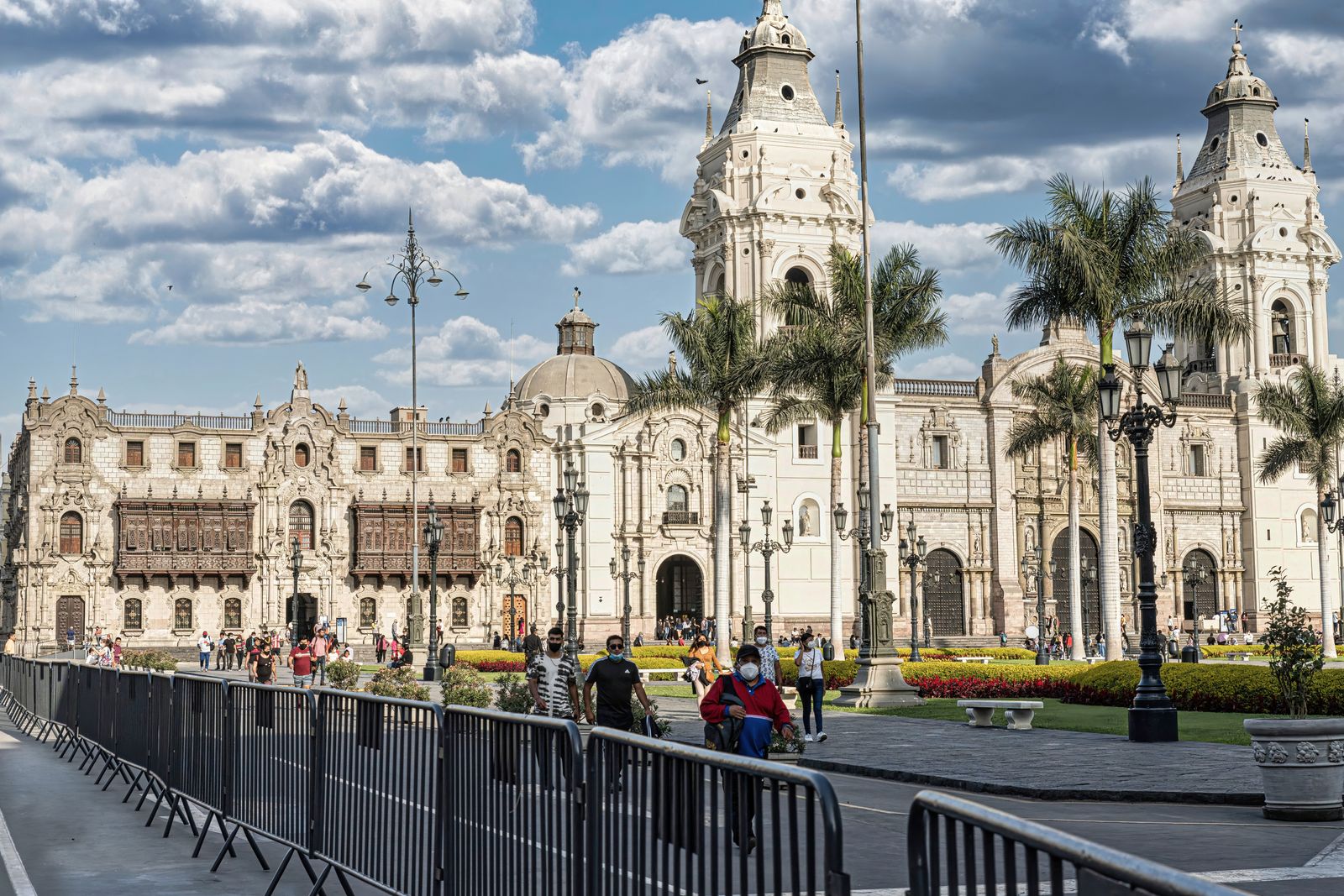
The 5 Best Luxury Hotels in Lima for 2026
Miraflores cliff hotels, Barranco design boltholes, and the Country Club grande dame — five properties tested across a paid week in Peru's culinary capital.
May 14, 2026 · 12 min read
 Destinations
Where to Stay in Lima (2026): Miraflores vs Barranco vs San Isidro Picks
The three Lima neighbourhoods that earn a luxury booking — Miraflores for the clifftop-walkable rotation, Barranco for the art-and-design-bar week, and San Isidro for the corporate-tower-plus-fine-dining anchor — with named hotels and the textbook transfer rhythm from LIM airport.
May 17, 2026 · 13 min read
 Destinations
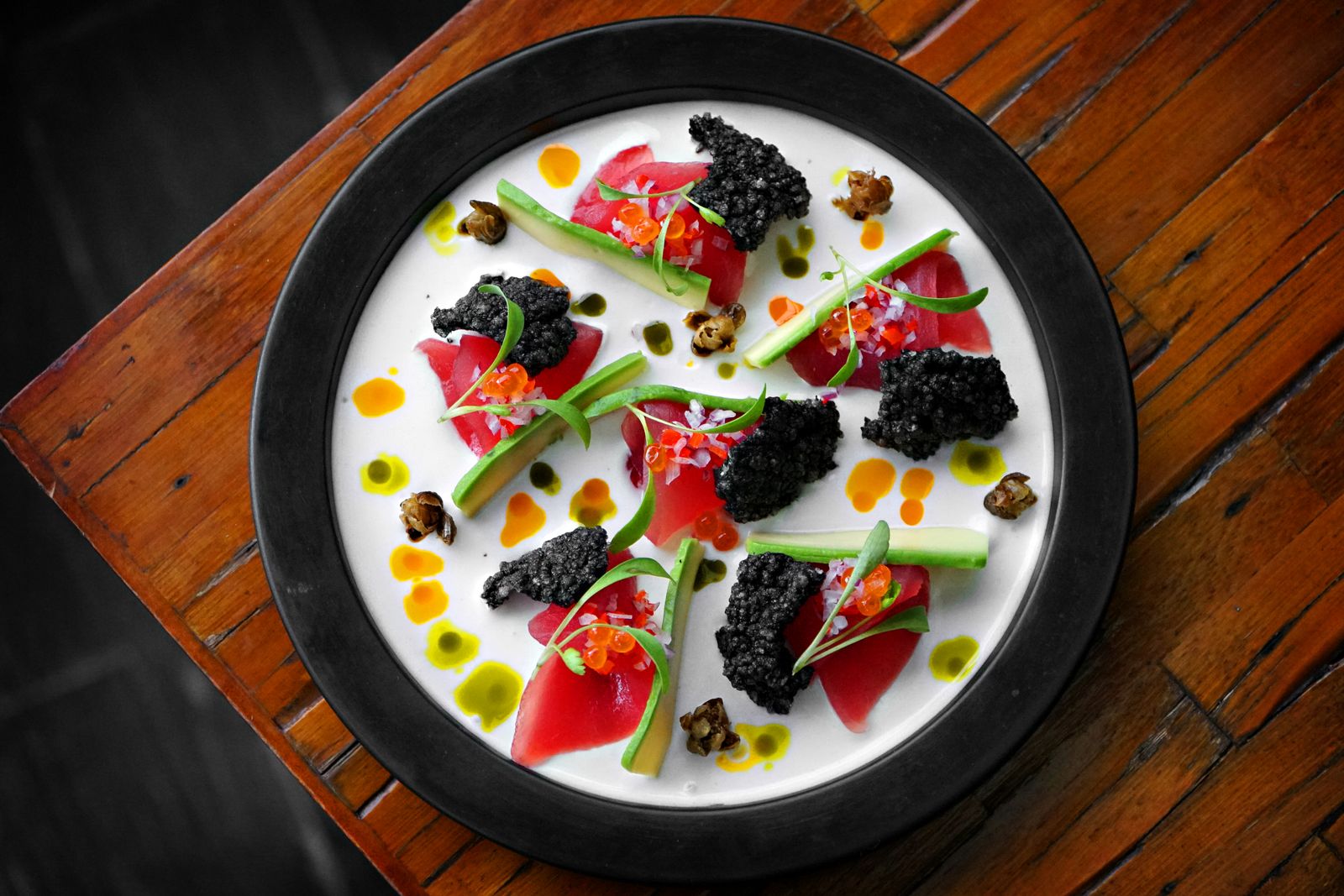
Lima 3-Day Gastronomy Itinerary (2026): Central, Maido, Kjolle and the Cevichería Rotation
A three-day Lima itinerary built around the Central, Maido and Kjolle dinner anchors, the textbook lunchtime cevichería rotation and the Larco-Barranco-Miraflores cultural spine — with named restaurants, real booking lead-times and the in-cluster transfer rhythm.
May 17, 2026 · 14 min read
Also in Peru
 Hotels
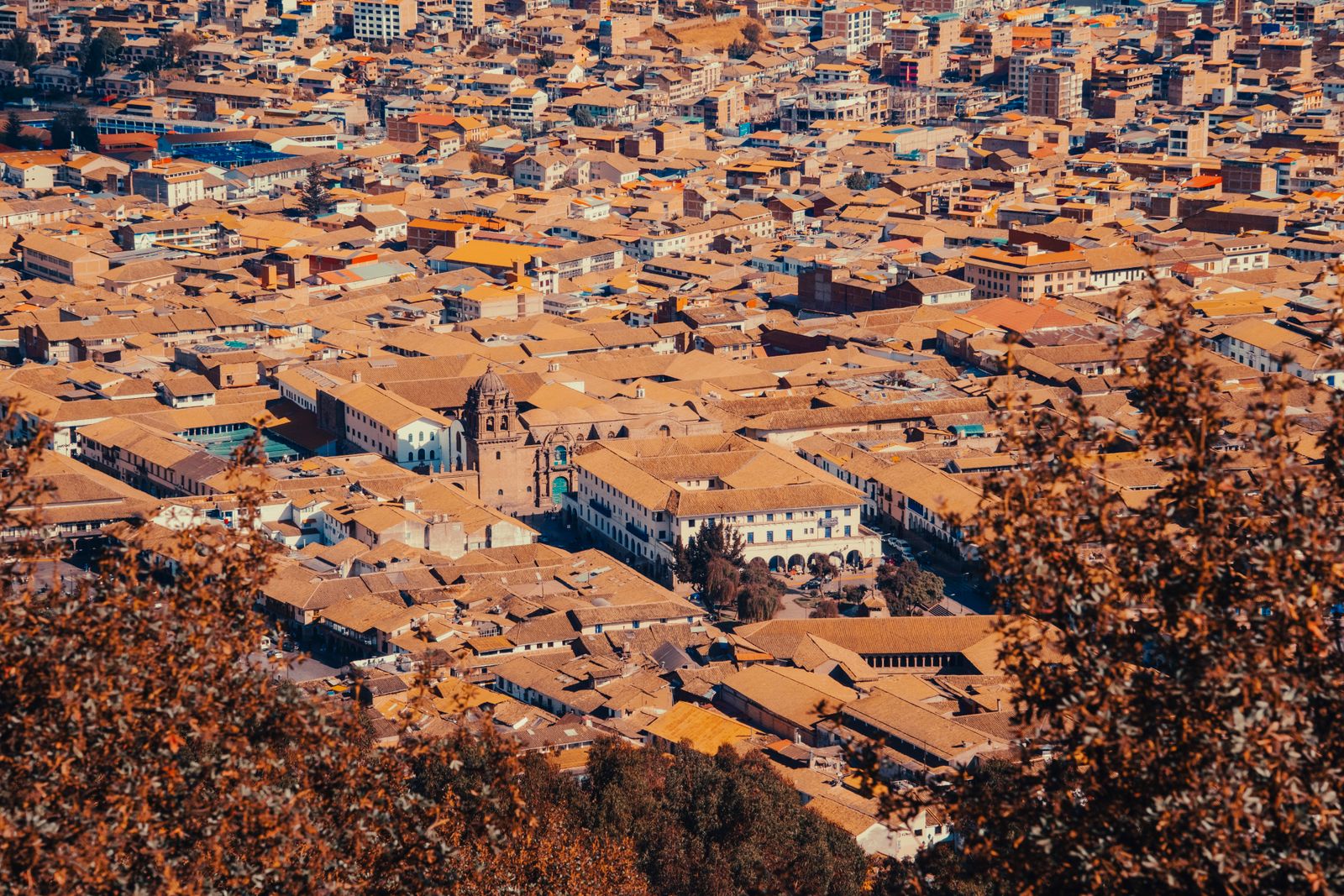
Best Luxury Hotels in Cusco 2026
Cusco 2026’s best luxury hotels, tested on paid stays: palace icons, design boutiques, wellness-led retreats, and values—clear pros, named cons, zero fluff.
May 14, 2026 · 16 min read
HotelsBest Luxury Hotels in Peru 2026
Our pick of Peru's luxury hotels in 2026, tested across Lima, Cusco, the Sacred Valley, and Arequipa—where design meets altitude service.
May 14, 2026 · 8 min
HotelsBest Luxury Lodges in Peru's Sacred Valley 2026: Six Andean Stays Tested
Six Sacred Valley lodges we paid to test in 2026 — the converted-hacienda flagships, the river-edge design lodges, and the smartest sub-USD 700 sleepers en route to Machu Picchu.
May 14, 2026 · 12 min read
Sources
- Numbeo cost-of-living — Lima — verified 2026-05-13
- climate-data.org — Lima — verified 2026-05-13
Last updated 2026-05-14 by The Lucalvry Edit.