

Santiago
The W or Singular Santiago — wine-country gateway.
The Lucalvry view
Santiago is the most underestimated capital in South America — a seven-million-strong city pressed against the Andes, with a serious modern dining scene, two exceptional wine valleys (Maipo and Casablanca) within an hour's drive, and a luxury hotel layer that has quietly caught up with Buenos Aires. Most travellers treat it as a one-night transit before Atacama or Patagonia; the better planning is to add a second night and use the city as the wine-country base it actually is.
The two anchor neighbourhoods are Lastarria — the cobbled cultural quarter behind Cerro Santa Lucía, dense with independent restaurants and the Singular Santiago hotel — and Vitacura, the leafy uptown business district where the W and the Mandarin Oriental sit on tree-lined avenues. Lastarria is the right base for first-time visitors who want to walk; Vitacura is the choice for the wine-and-restaurant crowd who don't mind a 15-minute taxi to the historic centre.
Two nights is the right minimum, three the comfortable answer. Day one for the city — the Plaza de Armas, the Mercado Central, lunch at Borago or Ambrosía, and a sunset funicular up Cerro San Cristóbal. Day two for a wine-valley excursion — Casablanca for the Sauvignon Blanc and Pinot Noir whites, Maipo for the Cabernet, or Colchagua for the more serious half-day from the city. The Pacific coast at Valparaíso is also a 90-minute drive west and rewards a day trip if your itinerary has the slack.
Neighborhoods
Where to base yourself
Lastarria & Bellas Artes
Stay hereThe cobbled cultural quarter — Singular Santiago, the Museo de Bellas Artes, Plaza Mulato Gil de Castro, and the densest concentration of independent restaurants in the city. The walking base.
Vitacura
Leafy uptown business and embassy district — the W and Mandarin Oriental, Borago, the contemporary art galleries on Alonso de Córdova. The choice for return visitors and wine travellers.
Providencia
Mid-city residential and dining mid-belt — Hotel Plaza El Bosque, Av. Holanda's restaurant strip, and a metro line that connects everything. Strong mid-luxe value.
Centro Histórico
The Plaza de Armas, Catedral, La Moneda palace, and the Mercado Central — better visited than slept in; security is fine by day but the streets quiet quickly after dark.
Bellavista & Cerro San Cristóbal
The bohemian quarter at the foot of San Cristóbal hill — Pablo Neruda's La Chascona house, the funicular trailhead, late-night bars. A neighbourhood for an afternoon, not a stay.
Hotels
Where to stay
- $$$$
The Singular Santiago, Lastarria
62 rooms in a converted historic building behind Cerro Santa Lucía — the rooftop bar with Andes views is the city's strongest sundowner.
- $$$$
W Santiago, Vitacura
The contemporary statement hotel — strong design, the Whiskey Blue rooftop, and a 24th-floor pool deck that opens to the Andes.
- $$$$
Mandarin Oriental Santiago
Resort-style pool deck and gardens uncommon in a capital city — the right pick for travellers who want the urban-resort feel.
- $$$
Hotel Magnolia, Centro
42-room boutique in a converted 1929 mansion — the strongest mid-luxe option in the historic centre.
- $$$
Hotel Cumbres Lastarria
Reliable 80-room base central to Lastarria — fair-value rooms and direct access to the cultural circuit.
Dining
Where to eat
- $$$$
Borago, Vitacura
Rodolfo Guzmán's Chilean-terroir tasting menu — World's 50 Best regular, foraged ingredients, the country's most ambitious kitchen.
- $$$
Ambrosía Bistro, Lastarria
Carolina Bazán's intimate flagship — a 28-cover room and the strongest French-Chilean cooking in the city. Book three weeks ahead.
- $$$
99 Restaurante, Providencia
Kurt Schmidt's Nordic-influenced Chilean menu — the eight-course tasting is one of the best-value serious meals in the city.
- $$
Liguria, Providencia or Lastarria
The classic Chilean bistro chain — sandwich Barros Luco, pisco sours, and a packed local crowd. The standing late-lunch recommendation.
- $$
Mercado Central seafood stalls
Working fish market with a dozen lunch counters — Donde Augusto is the historic name; the locals' picks at the back are better and cheaper.
An ideal day
What to do
- Morning
Coffee at Café Triciclo in Lastarria, then a slow walk through Bellas Artes — the Museo de Bellas Artes is free, and the surrounding streets are the city's best walking quarter.
- Late morning
Funicular up Cerro San Cristóbal for the Andes-and-city panorama (clearest before noon, before the smog rises). The teleférico down to Pedro de Valdivia is the more interesting return.
- Afternoon
Lunch at the Mercado Central, then the Plaza de Armas, Catedral Metropolitana, and the Pre-Columbian Art Museum — the country's strongest cultural collection in two compact hours.
- Late afternoon
Pisco sour at the Singular's rooftop or the Mandarin's bar — the Andes light at 6pm in the dry months is the city's signature view.
- Evening
Dinner at Borago (the destination meal — book six weeks ahead) or Ambrosía Bistro (the easier reservation, equally serious cooking). The city eats earlier than Buenos Aires — 8.30pm is normal.
- Day-trip option
Casablanca Valley wine day — Matetic, Viña Casas del Bosque, Emiliana Organic — 75 minutes west of the city by hired car, ideally with a driver-guide and a long lunch at Tanino at Casas del Bosque.
Logistics
Getting around
Santiago Airport (SCL) is 25 minutes from Lastarria or Vitacura by taxi (US$30–40); the Turbus Aeropuerto coach runs the same route for US$5 if you're solo and luggage-light. Inside the city, the Metro is genuinely excellent — five lines, clean, fast, and tourist-friendly (Lastarria sits on Line 1 at Universidad Católica). Uber works seamlessly and a cross-city run rarely exceeds US$8. Walking is good in Lastarria, Bellas Artes, and Providencia; less rewarding in the historic centre after dark. For wine-valley days, hire a driver-guide (Wine Tours Chile, Uncorking Chile) for US$250–350 per day with bodega bookings included.
Cost snapshot
What things cost in Santiago
- Espresso
- $3.50
- Dinner for two
- $50
- Taxi (5 km)
- $7
- 4★ hotel/night
- $180
Numbeo medians, mid-week shoulder season. Verified 2026-05-13.
Best time to visit
Twelve months in Santiago
| Month | Avg high | Rain days | Crowds | Prices |
|---|---|---|---|---|
| Jan | 30°C | 0 | ●●●●● | ●●●●● |
| Feb | 29°C | 0 | ●●●●● | ●●●●● |
| Mar | 27°C | 1 | ●●●●● | ●●●●● |
| Apr | 23°C | 2 | ●●●●● | ●●●●● |
| May | 18°C | 4 | ●●●●● | ●●●●● |
| Jun | 14°C | 5 | ●●●●● | ●●●●● |
| Jul | 14°C | 5 | ●●●●● | ●●●●● |
| Aug | 16°C | 4 | ●●●●● | ●●●●● |
| Sep | 19°C | 2 | ●●●●● | ●●●●● |
| Oct | 23°C | 2 | ●●●●● | ●●●●● |
| Nov | 26°C | 1 | ●●●●● | ●●●●● |
| Dec | 29°C | 0 | ●●●●● | ●●●●● |
FAQ
Common questions about Santiago
- How many days do I need in Santiago?
- Two nights covers the city itself — one day for Lastarria, the historic centre, and Cerro San Cristóbal; one for a wine-valley day trip to Casablanca or Maipo. Three nights lets you add Valparaíso for a Pacific-coast day or extend deeper into Colchagua wine country. Most travellers route through Santiago en route to Atacama (north) or Patagonia (south), so the city often functions as the bookending hub on a longer Chile trip.
- Best time to visit Santiago?
- March–April and October–November are the editor's windows — clear skies, the Andes visible most days (winter smog reduces visibility), and temperatures in the comfortable 20s. Avoid June–August (the city's smog inversion is real and the wine valleys close their cellar-door tastings). January and February are warm and dry but locals leave for the coast and the city quiets considerably; many restaurants close for two weeks in February.
- Is Santiago safe?
- Yes within the standard tourist circuit — Lastarria, Vitacura, Providencia, and the central Plaza de Armas by day are safe with normal urban precautions. The 2019 protests and pandemic period left some of the historic centre rougher around the edges, particularly at night; use Uber rather than walking after dark south of the Alameda. Pickpocketing on the Metro at rush hour is the most common tourist incident — wear a crossbody bag and keep your phone away from the doors.
- Casablanca, Maipo, or Colchagua?
- Casablanca for whites — Sauvignon Blanc, Pinot Noir, and the cool-climate coastal terroir. 75 minutes from the city, easiest day-trip. Maipo for the classic Cabernet — Concha y Toro, Santa Rita, and the heritage bodegas, also 75 minutes south. Colchagua for the most serious half-day — Lapostolle Clos Apalta, Viu Manent — but it's a 2.5-hour drive each way and benefits from an overnight at Clos Apalta or Hotel Lapostolle. Pick one per day-trip; don't try to combine.
- Santiago in transit — worth more than one night?
- Yes. Most Atacama and Patagonia itineraries land in Santiago, transit one night, and fly onwards the next morning — and most travellers regret it on the way back. The city has finally caught up on dining (Borago, Ambrosía) and on hotels (Singular, Mandarin); two nights inbound or outbound delivers a city day, a wine day, and a proper introduction to Chilean culture. The cost is a single extra hotel night against an experience that consistently beats expectation.
From the edit
Guides & stays in Santiago
 Hotels
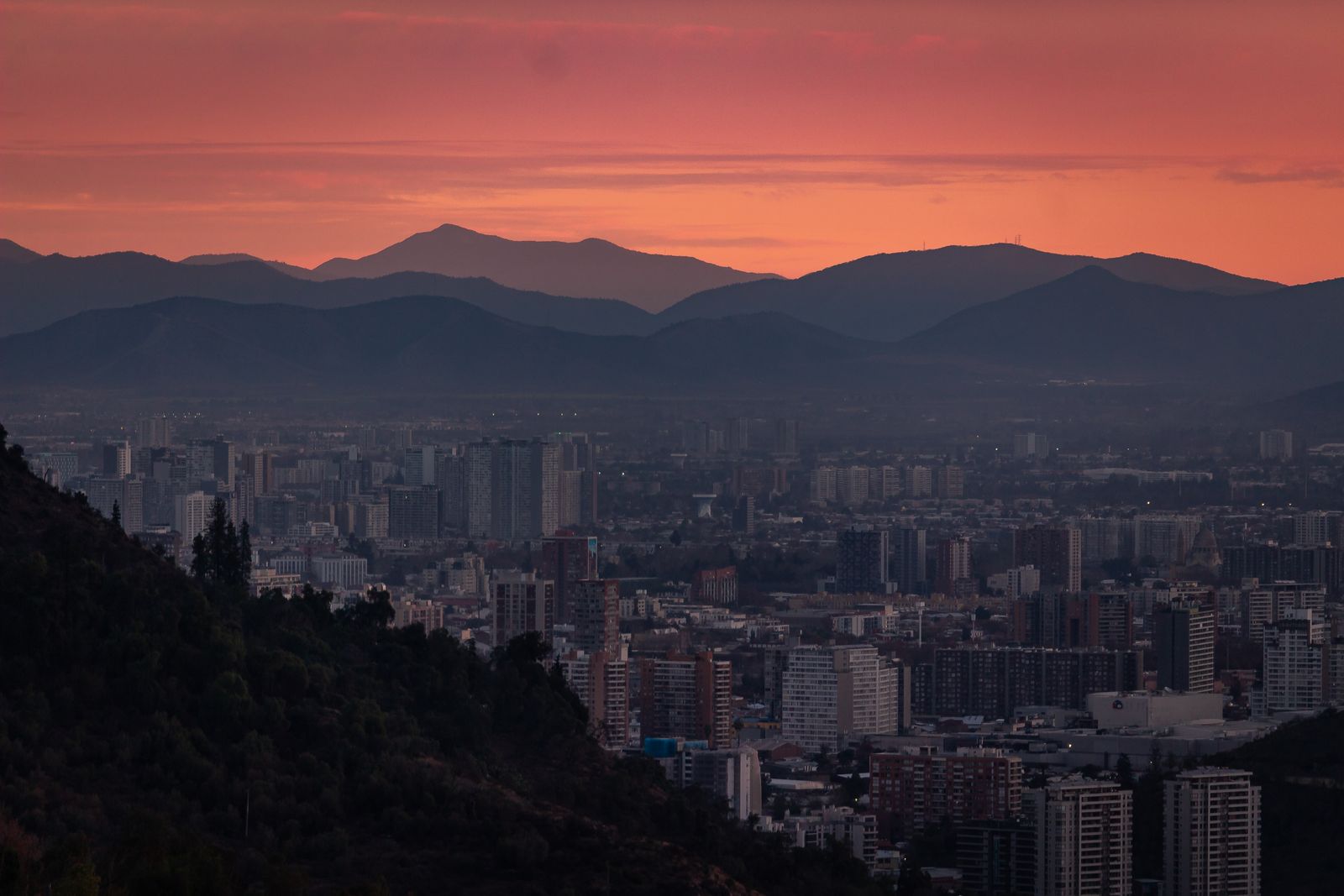
The 5 Best Luxury Hotels in Santiago for 2026
Las Condes towers, Lastarria boutiques, and the Andes-view suites that anchor a Patagonia or Atacama itinerary — five properties tested across a paid week.
May 14, 2026 · 12 min read
 Destinations
Where to Stay in Santiago de Chile (2026): Lastarria vs Vitacura Picks
The four Santiago neighbourhoods that earn a luxury booking — Lastarria for walkable culture, Vitacura for the design-and-shopping anchor, Las Condes for the corporate-plus-spa base, and Providencia for the value-band city pick — with named hotels and the textbook transfer rhythm from SCL airport.
May 17, 2026 · 13 min read
 Destinations
Santiago 3-Day Itinerary (2026): Lastarria, Bellavista and the Casablanca Day-Trip
The textbook Santiago 3-day rhythm — Day 1 Lastarria-and-Plaza-de-Armas walking spine, Day 2 Casablanca wine-country day-trip, Day 3 Cerro San Cristóbal-and-Bellavista — with named restaurant addresses, museum-opening windows and the textbook 7pm-Boragó-or-Olam dinner anchor.
May 17, 2026 · 13 min read
Also in Chile
 Hotels
The 5 Best Luxury Hotels in Atacama, Chile 2026
Explore the best luxury hotels in Atacama for 2026. From the private guides of Awasi to the star-gazing decks of Explora, we review the top desert lodges.
May 14, 2026 · 16 min read
 Hotels
The Best Luxury Lodges in Chilean Patagonia for 2026
Five Patagonia lodges — Explora Torres del Paine, Tierra Patagonia, Awasi Patagonia, EcoCamp Patagonia and The Singular Patagonia — with the all-inclusive guided-excursion reality, the in-park vs Puerto Natales decision, and which lodge is the only one inside Torres del Paine itself.
May 14, 2026 · 13 min read
 Destinations
Where to Stay in the Atacama (2026): San Pedro Village vs Tierra vs Explora
The Atacama luxury-lodge split — the all-inclusive flagship trio (Tierra Atacama, Explora Atacama, Awasi Atacama), the in-village San Pedro boutique alternatives, and the textbook 3, 4 and 5-night Atacama bracket with named excursions and the Calama airport transfer rhythm.
May 17, 2026 · 14 min read
Sources
- Numbeo cost-of-living — Santiago — verified 2026-05-13
- climate-data.org — Santiago — verified 2026-05-13
Last updated 2026-05-14 by The Lucalvry Edit.