

Patagonia (Chile)
Explora Torres del Paine, Awasi Patagonia — peaks and pumas.
The Lucalvry view
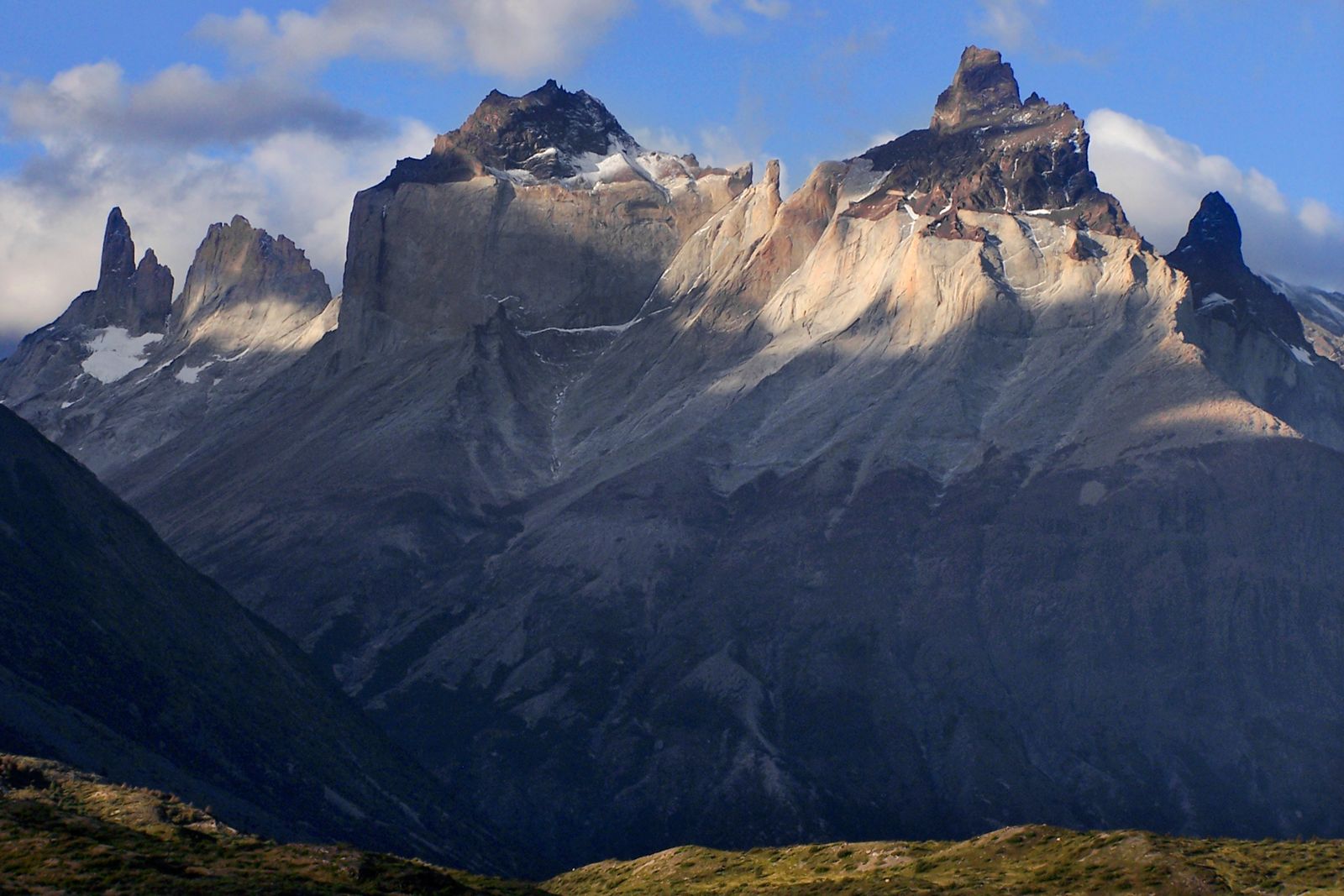
Chilean Patagonia is the more dramatic side of the Andean range — Torres del Paine National Park sits on the Chilean side of the southern ice field, with a granite skyline (the Cuernos and the Torres themselves) that beats anything across the border in Argentina, plus the world's most reliable puma sightings on the eastern steppe. The Chilean park is the more demanding of the two — bigger, less developed, with a serious all-inclusive lodge cluster (Explora Torres del Paine inside the park, Tierra Patagonia and Awasi Patagonia just outside) that exists because day-tripping the W or O circuits is logistically impractical from outside.
The gateway is Punta Arenas Airport (PUQ) on the Strait of Magellan, with multiple daily LATAM and Sky Airline frequencies from Santiago (a 3.5-hour direct). From PUQ, lodges arrange a 4.5-hour road transfer north to the park entrance — the drive itself is a Patagonian highlight, crossing the steppe past the Skyring Sound and the Última Esperanza fjord at Puerto Natales. The smaller Puerto Natales Airport (PNT) operates summer-only direct flights from Santiago and shaves 90 minutes off the lodge transfer; book it when available.
The two-park play (Chilean Torres del Paine plus Argentine Los Glaciares around El Calafate) is the standing high-end Patagonia trip. The border crossing at Cerro Castillo is straightforward — about three hours each way including paperwork — and most travellers do four nights at Torres del Paine, cross over, and spend three nights around El Calafate and El Chaltén on the Argentine side. The Chilean side is the more dramatic landscape; the Argentine side has the Perito Moreno glacier and the Fitz Roy walking. They genuinely complement each other.
Neighborhoods
Where to base yourself
Puerto Natales
The lakeside gateway town on the Última Esperanza fjord — Singular Patagonia hotel in the converted cold-storage plant, the access point for Puerto Natales–Punta Arenas transfers, and the practical staging point for non-lodge travellers.
Torres del Paine — inside the park
Stay hereExplora Patagonia — the only serious lodge inside the park boundary, on the shore of Lake Pehoé directly under the Cuernos. The headline base for travellers who want to walk out the door onto trails.
Estancia Cerro Paine (eastern entrance)
The original ranch at the base of the Torres — Hotel Las Torres and the trailhead for the landmark three-towers day hike. Functional rather than luxurious.
Sarmiento Lake (eastern steppe)
Tierra Patagonia and the puma-tracking guide-houses — the eastern grassland just outside the park where the cat sightings actually happen.
Hotels
Where to stay
- $$$$
Explora Patagonia (Hotel Salto Chico)
49 rooms on Lake Pehoé directly under the Cuernos del Paine — the only serious lodge inside the park. The strongest guide team in the region.
- $$$$
Tierra Patagonia, Lake Sarmiento
40 rooms on the steppe outside the park, designed by Cazú Zegers — the spa is the strongest in Patagonia, and the puma-tracking programme is the standing recommendation.
- $$$$
Awasi Patagonia, Torres del Paine
12 villas with a private guide and 4x4 per couple — the highest-touch lodge in the region; the most flexible daily itinerary.
- $$$$
The Singular Patagonia, Puerto Natales
57 rooms in a converted 1915 cold-storage plant on the fjord — the design statement of the region and the right base for non-park days.
- $$$
Hotel Las Torres Patagonia
Trail-side base at the foot of the Torres — functional rather than luxurious, but the only door-to-door access to the Mirador Las Torres day-hike trailhead.
Dining
Where to eat
- $$$$
Explora Patagonia dining room
Set menus pairing local lamb, king crab, and Chilean wines — the meals are choreographed to the daily excursion schedule.
- $$$$
Singular Patagonia restaurant, Puerto Natales
Industrial-chic former cold-storage room — the seafood-forward menu is genuinely ambitious for a town of 20,000.
- $$$
Afrigonia, Puerto Natales
African-Patagonian fusion — the Zambian chef's lamb tagine is a town favourite, and the wine list punches well above the small dining room.
- $$$
Cangrejo Rojo, Puerto Natales
King-crab specialist — the centolla pulled from the Última Esperanza fjord is the order to make.
- $$
Mesita Grande, Puerto Natales
Wood-fired pizzeria around a single communal table — the trekkers' canteen of choice and a strong cheap evening.
An ideal day
What to do
- Day 1
Fly Santiago to Punta Arenas, transfer 4.5 hours north to lodge (or use the summer-only Puerto Natales flight to shave 90 minutes). Light first-afternoon walk along Lake Pehoé to settle.
- Day 2
French Valley day-hike — boat across Lake Pehoé to Paine Grande, then a 4–6 hour walk into the granite amphitheatre below the Cuernos. The headline trekking experience.
- Day 3
Mirador Las Torres day-hike — 18km round-trip to the base of the three towers, the last hour is steep boulder-field, the payoff is the most photographed view in Patagonia. Start at first light.
- Day 4
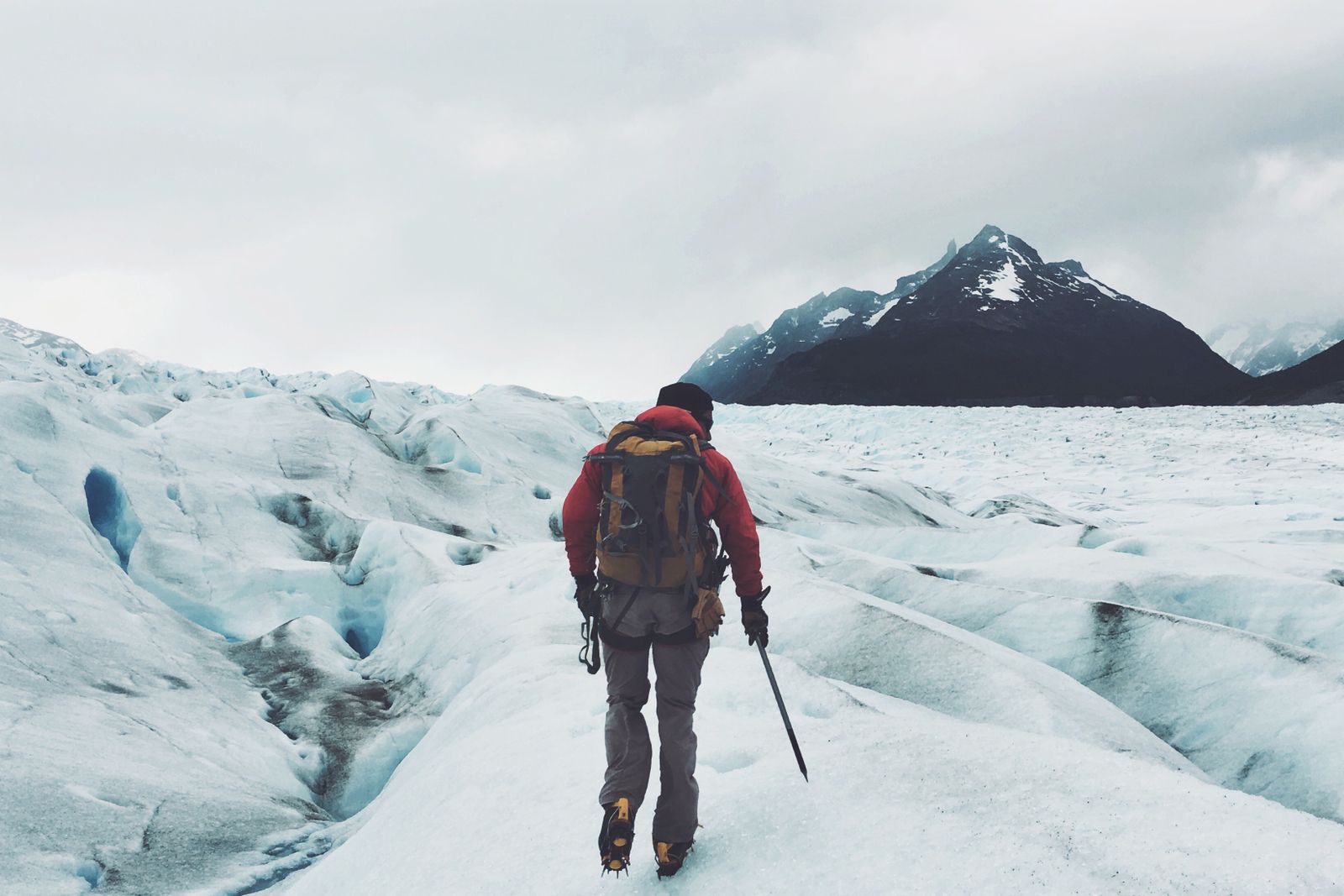
Easier day — horseback ride on the steppe with gauchos, or the Grey Glacier boat trip to the ice front. Spa afternoon if booked at Tierra.
- Day 5
Puma-tracking dawn excursion from Tierra Patagonia or Awasi — the sightings are not guaranteed but the success rate is roughly 80% over a 2-day attempt window in summer.
- Day 6
Optional border crossing day to El Calafate (Argentina) for the second-leg Perito Moreno glacier — 5 hours each way including paperwork.
Logistics
Getting around
Punta Arenas Airport (PUQ) is the primary gateway — 3.5 hours direct from Santiago on LATAM and Sky Airline, with 5–7 daily frequencies in the December–March peak. From PUQ, lodge transfers run 4.5 hours north on a sealed road to the park; budget US$120–180 per person for shared shuttles or US$400+ for private. The smaller Puerto Natales Airport (PNT) operates direct from Santiago in summer only and shaves 90 minutes off the road transfer. Inside the park, lodges run their own guided 4x4 vehicles for excursions; rental cars are available from PUQ but ill-advised — many of the headline trail access roads are gravel, unsigned, and the Patagonian wind makes high-side vehicles difficult to handle. The cross-border transfer to El Calafate is best booked through the lodge as a private 4x4 service (US$600–800).
Cost snapshot
What things cost in Patagonia (Chile)
- Espresso
- $4.00
- Dinner for two
- $80
- Taxi (5 km)
- $14
- 4★ hotel/night
- $380
Numbeo medians, mid-week shoulder season. Verified 2026-05-13.
Best time to visit
Twelve months in Patagonia (Chile)
| Month | Avg high | Rain days | Crowds | Prices |
|---|---|---|---|---|
| Jan | 18°C | 8 | ●●●●● | ●●●●● |
| Feb | 18°C | 8 | ●●●●● | ●●●●● |
| Mar | 15°C | 8 | ●●●●● | ●●●●● |
| Apr | 11°C | 8 | ●●●●● | ●●●●● |
| May | 7°C | 8 | ●●●●● | ●●●●● |
| Jun | 5°C | 8 | ●●●●● | ●●●●● |
| Jul | 4°C | 9 | ●●●●● | ●●●●● |
| Aug | 6°C | 8 | ●●●●● | ●●●●● |
| Sep | 9°C | 7 | ●●●●● | ●●●●● |
| Oct | 13°C | 7 | ●●●●● | ●●●●● |
| Nov | 15°C | 7 | ●●●●● | ●●●●● |
| Dec | 17°C | 8 | ●●●●● | ●●●●● |
FAQ
Common questions about Patagonia (Chile)
- Chilean or Argentine Patagonia — which side is better?
- Chilean for the dramatic landscape — Torres del Paine has the more spectacular skyline (the Cuernos and the Torres themselves), the better walking infrastructure, and the puma sightings on the eastern steppe. Argentine for the headline glaciers — Perito Moreno calves with theatre, Estancia Cristina inside the park is unique, and the Fitz Roy day-hike at El Chaltén is genuinely exceptional. Most high-end trips do both — four nights Chilean side, three nights Argentine side, with a road border crossing in between.
- How fit do I need to be for Torres del Paine?
- Moderately fit for the headline experiences. The French Valley day (4–6 hours, mostly flat with one steep section) and the Grey Glacier boat are accessible to anyone in reasonable walking condition. The Mirador Las Torres day-hike is the demanding day — 18km, 800m of vertical, the last hour over loose boulder field — and benefits from genuine hill-walking experience. The lodges grade their excursion menu by difficulty and are good at matching travellers to days.
- Best time to visit Chilean Patagonia?
- December through early March is the southern summer and the only serious window. Within that, mid-November to mid-December and late February to mid-March are the editor's picks — daylight to 10pm, the wind slightly more manageable, and lodge availability outside the Christmas/January peak. April is technically operating but the weather is a coin-flip; June–September the lodges close entirely and the trails are snow-bound.
- Are the puma sightings real?
- Yes, and the success rate is genuinely impressive. The eastern steppe just outside Torres del Paine has the world's highest density of wild pumas — Tierra Patagonia and Awasi run dedicated tracking programmes with specialist guides, and the typical success rate over a two-day attempt window in the December–March season is around 80%. The cats are habituated to vehicles (not to people on foot), so sightings happen from the 4x4 at 30–80 metres. Pre-dawn and last-light are the productive windows.
- Cross-border to El Calafate — is it worth the day?
- Yes, on a longer trip. The Cerro Castillo border crossing is 5 hours each way including paperwork, but it opens up the Perito Moreno glacier and the Fitz Roy walking week — both genuinely exceptional and not duplicative of the Chilean side. The standard high-end Patagonia trip is four nights Torres del Paine, transfer day, three or four nights El Calafate / El Chaltén. Skip the crossing only if your total Patagonia time is under five nights.
From the edit
Guides & stays in Patagonia (Chile)
 Hotels
The Best Luxury Lodges in Chilean Patagonia for 2026
Five Patagonia lodges — Explora Torres del Paine, Tierra Patagonia, Awasi Patagonia, EcoCamp Patagonia and The Singular Patagonia — with the all-inclusive guided-excursion reality, the in-park vs Puerto Natales decision, and which lodge is the only one inside Torres del Paine itself.
May 14, 2026 · 13 min read
 Destinations
Where to Stay in Chilean Patagonia (2026): Torres del Paine vs Aysén Picks
The Chilean Patagonia base decision — Torres del Paine for the textbook flagship trekking-and-lodge cluster, Puerto Natales for the value-band gateway, the Aysén Carretera Austral for the off-grid Northern Patagonia alternative — with the textbook all-inclusive trio (Tierra, Explora, Awasi) and the named Aysén lodges.
May 17, 2026 · 14 min read
 Destinations
Chilean Patagonia Trekking & Glacier Itinerary (2026): Base Torres, French Valley and the Grey Glacier
The textbook Torres del Paine signature-excursion rotation — the Base Torres day-trek, the French Valley day-trek, the Grey Glacier catamaran-and-kayak — with the named in-park trailheads, the W-circuit-versus-day-trekker base decision and the textbook 4-or-5-night excursion sequence.
May 17, 2026 · 14 min read
Also in Chile
 Hotels
The 5 Best Luxury Hotels in Atacama, Chile 2026
Explore the best luxury hotels in Atacama for 2026. From the private guides of Awasi to the star-gazing decks of Explora, we review the top desert lodges.
May 14, 2026 · 16 min read
 Hotels
The 5 Best Luxury Hotels in Santiago for 2026
Las Condes towers, Lastarria boutiques, and the Andes-view suites that anchor a Patagonia or Atacama itinerary — five properties tested across a paid week.
May 14, 2026 · 12 min read
 Destinations
Where to Stay in Santiago de Chile (2026): Lastarria vs Vitacura Picks
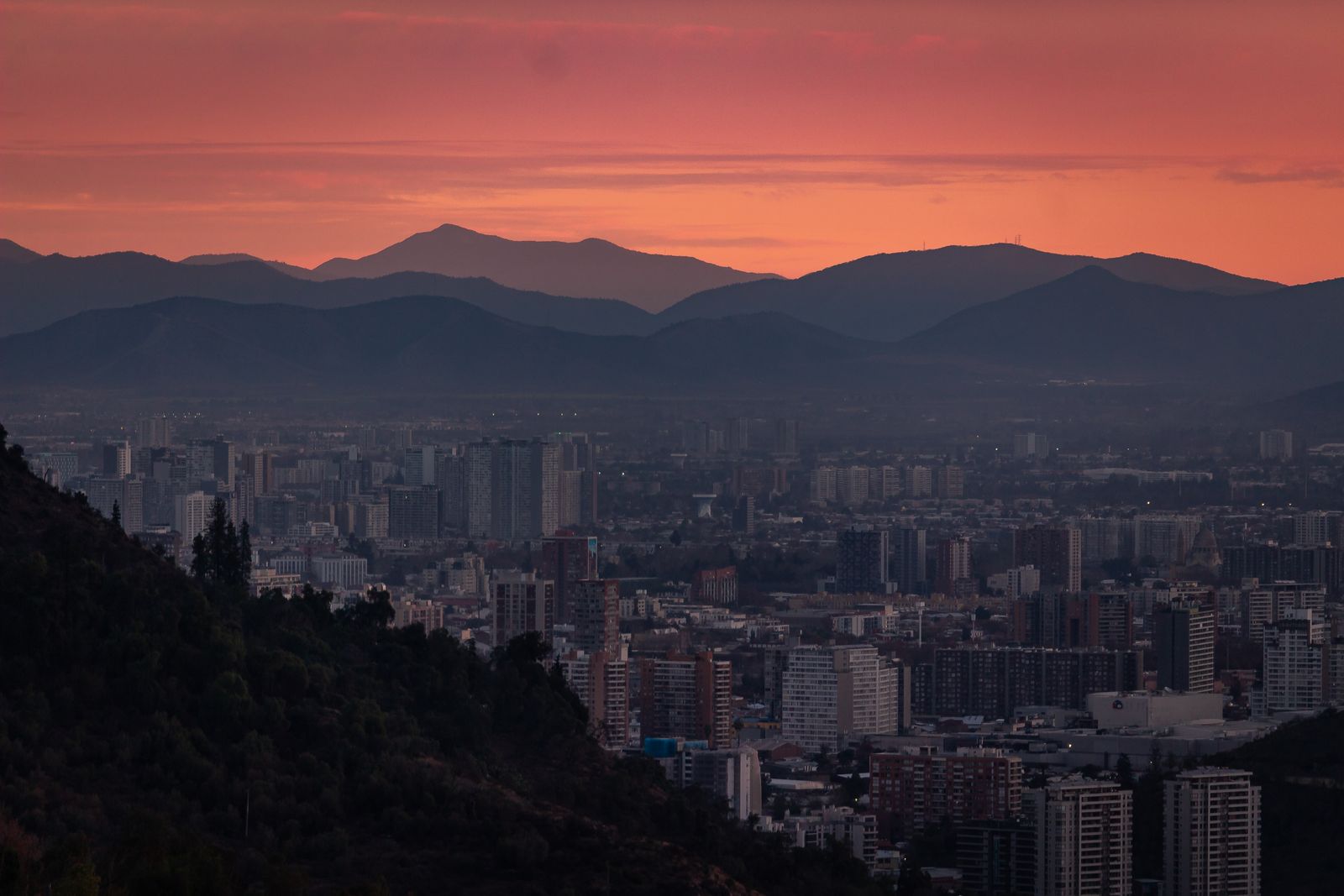
The four Santiago neighbourhoods that earn a luxury booking — Lastarria for walkable culture, Vitacura for the design-and-shopping anchor, Las Condes for the corporate-plus-spa base, and Providencia for the value-band city pick — with named hotels and the textbook transfer rhythm from SCL airport.
May 17, 2026 · 13 min read
Sources
- Numbeo cost-of-living — Patagonia (Chile) — verified 2026-05-13
- climate-data.org — Patagonia (Chile) — verified 2026-05-13
Last updated 2026-05-14 by The Lucalvry Edit.