

Atacama
Tierra, Explora, Awasi — high-altitude all-inclusive lodges.
The Lucalvry view
The Atacama Desert is the driest non-polar place on earth — a high-altitude moonscape in northern Chile where some weather stations have never recorded rainfall, the night sky is the clearest in the world (the ALMA radio observatory is up the road for a reason), and the village of San Pedro de Atacama at 2,400 metres is the small adobe gateway to a landscape of salt flats, geothermal geysers, flamingo lagoons, and the Andes rising to 5,900-metre volcanoes on the Bolivian border.
The luxury offering is concentrated in three all-inclusive lodges — Tierra Atacama, Explora Atacama, and Awasi Atacama — each running daily guided excursions, full board, and the wine pairing included. The model is the same as their Patagonia siblings: book the lodge, let the operator handle the routing, and accept that the value is in the daily guided expertise (high-altitude acclimatisation, geothermal-pool timing, stargazing) rather than in choosing your own meals. A five-night stay is the right minimum; the lodges run a rotating excursion programme that takes a week to fully cover.
Acclimatisation matters. San Pedro itself sits at 2,400m and is comfortable for most travellers; the high-altitude excursions (the Tatio geysers at 4,300m, Lagunas Altiplánicas at 4,200m, the Argentine border crossing to Salta at 4,800m) reach genuinely thin air and the lodges build a sensible day-by-day altitude curve into the itinerary. Drink water aggressively, avoid alcohol on the first two nights, and let the lodge's daily medical-grade altitude monitoring guide the schedule. Atacama and Patagonia in the same trip is the standard high-end Chile pairing — Atacama first (lower-altitude acclimatisation prep, easier flight in), then south for the Patagonian week.
Neighborhoods
Where to base yourself
San Pedro de Atacama (village)
The adobe-walled gateway town at 2,400m — Calle Caracoles dining street, the small archaeology museum, and the village square. The right base for self-organised travellers using a town hotel.
Ayllú de Larache & Solcor (lodge belt)
Stay hereTen minutes outside the village — Tierra Atacama, Awasi Atacama, and the working farmstead districts where the high-end lodges sit on private land with their own vineyard and stargazing decks.
Salar de Atacama (the salt flat)
60 minutes south of the village — the country's largest salt flat, Chaxa Lagoon, the flamingo colonies. Day-excursion territory, not a stay base.
El Tatio Geysers (4,300m)
90 minutes north — the world's highest geyser field, visited at dawn for the steam-and-sunrise theatre. Pre-dawn departure essential; day-excursion only.
Hotels
Where to stay
- $$$$
Tierra Atacama Hotel & Spa
32 rooms with private terraces facing Volcán Licancabur — the strongest spa in the desert and the most polished operations of the three lodges.
- $$$$
Explora Atacama (Hotel de Larache)
50 rooms on a working alfalfa farm — the original luxury all-inclusive in the desert and still the strongest guide team.
- $$$$
Awasi Atacama, Relais & Châteaux
Eight villas with a private guide and 4x4 per couple — the highest-touch Atacama option, design genuinely serious.
- $$$$
Nayara Alto Atacama
42 rooms in an adobe complex closer to the Pukará de Quitor ruins — relaxed pool deck and a softer all-inclusive at a slightly lower tier.
- $$$
Hotel Cumbres San Pedro de Atacama
60-room option in the village — strong mid-luxe value for travellers who'd rather book excursions à la carte through Cosmo Andino.
Dining
Where to eat
- $$$$
Tierra Atacama dining room
Set menus drawing on Andean ingredients (quinoa, llama, rica-rica) — the strongest food of the lodge trio.
- $$
Adobe, Calle Caracoles
The village's reliable adobe-walled restaurant — quinoa risotto, the open-fire grill in the courtyard. Strong sub-lodge option.
- $$$
Baltinache, San Pedro
A 14-cover, owner-cooked Andean tasting menu — the village's most ambitious kitchen and a real find for non-lodge travellers.
- $$
Casa Santiago, San Pedro
Outdoor courtyard, open-flame asado of llama and lamb, Chilean wine list — the Saturday-night village staple.
- $$
La Estaka, Calle Caracoles
The unfussy Chilean lunch room — sandwiches, fresh ceviche, and the right midday stop between morning and afternoon excursions.
An ideal day
What to do
- Day 1
Fly into Calama (CJC) from Santiago, transfer to lodge (90 minutes). Easy first afternoon — Valle de la Luna at sunset, a 2,400m altitude introduction with no exertion.
- Day 2
Salar de Atacama and the Chaxa Lagoon flamingo colonies — moderate-altitude (2,300m) full-day. End with a stargazing session at the lodge — Atacama has the world's clearest night skies.
- Day 3
Lagunas Altiplánicas (Miscanti and Miñiques at 4,200m) — the first real-altitude day. Drink water aggressively; the lodge will brief on symptoms to watch for.
- Day 4
Pre-dawn departure for the Tatio Geysers at 4,300m — coldest hour at sunrise (-10°C is normal), then descent via the Termas de Puritama hot springs for the recovery soak.
- Day 5
Easier final day — Pukará de Quitor pre-Inca ruins, an afternoon village walk, and a rest before the early Calama flight.
Logistics
Getting around
Atacama starts at Calama Airport (CJC) — three flights daily from Santiago on LATAM and Sky Airline (a 2-hour direct). All lodges and the village are 90 minutes east by paved road; lodges arrange shared or private transfers (US$50–120 per person). Inside the desert, the lodges run their own 4x4 expedition vehicles with English-speaking guides — the entire excursion programme is included in the all-inclusive rate. Self-driving is possible but ill-advised: most of the headline destinations are unsigned tracks across salt flats, the altitude impairs decision-making, and the lodge guides have private access to the best geyser-field arrival timing and the less-visited lagoons. The village has no Uber; taxis are scarce.
Cost snapshot
What things cost in Atacama
- Espresso
- $4.00
- Dinner for two
- $70
- Taxi (5 km)
- $12
- 4★ hotel/night
- $320
Numbeo medians, mid-week shoulder season. Verified 2026-05-13.
Best time to visit
Twelve months in Atacama
| Month | Avg high | Rain days | Crowds | Prices |
|---|---|---|---|---|
| Jan | 25°C | 1 | ●●●●● | ●●●●● |
| Feb | 25°C | 1 | ●●●●● | ●●●●● |
| Mar | 24°C | 1 | ●●●●● | ●●●●● |
| Apr | 23°C | 0 | ●●●●● | ●●●●● |
| May | 21°C | 0 | ●●●●● | ●●●●● |
| Jun | 20°C | 0 | ●●●●● | ●●●●● |
| Jul | 20°C | 0 | ●●●●● | ●●●●● |
| Aug | 21°C | 0 | ●●●●● | ●●●●● |
| Sep | 23°C | 0 | ●●●●● | ●●●●● |
| Oct | 24°C | 0 | ●●●●● | ●●●●● |
| Nov | 25°C | 0 | ●●●●● | ●●●●● |
| Dec | 25°C | 1 | ●●●●● | ●●●●● |
FAQ
Common questions about Atacama
- How many days do I need in Atacama?
- Five nights is the right minimum — the lodges run a rotating excursion programme that takes a full week to cover, and acclimatisation rules out the high-altitude trips on days one and two. Three or four nights forces a choice between the Salar (low altitude) and the Tatio Geysers (high altitude), and most travellers regret rushing it. Combine with three or four Patagonia nights and a Santiago bookend for the standard 12–14-day high-end Chile trip.
- Best time to visit Atacama?
- April–May and September–November are the editor's windows — daytime temperatures in the comfortable 20s, the Andean winter snowmelt at the geysers still active, and the night skies at their clearest. June–August are colder (sub-zero pre-dawn temperatures at the geysers) but rewarding for serious stargazing. December–March is the southern summer — warm but with the rare 'altiplanic winter' afternoon thunderstorms that can close the high-altitude excursions for a day at a time.
- Is the altitude a problem?
- Manageable for most travellers but real. San Pedro at 2,400m is comfortable for almost everyone; the high-altitude excursions reach 4,200–4,800m and a meaningful minority experience headaches, nausea, or sleep disruption on those days. The lodges build a sensible acclimatisation curve into the itinerary, brief on symptoms, and have on-call medical support; pre-trip Diamox (acetazolamide) is worth a conversation with your doctor if you've struggled with altitude before. Avoid alcohol on the first two nights and over-hydrate.
- Tierra, Explora, or Awasi?
- All three are excellent and the choice is about feel. Tierra Atacama has the strongest spa, the best-designed rooms, and the smoothest hospitality operations — our most-booked. Explora Atacama is the original — the largest scale (50 rooms), the most experienced guide team, and the most generous excursion menu. Awasi Atacama is the highest-touch — eight villas, private guide and 4x4 per couple — and the right pick for travellers who want a fully bespoke daily programme. Price differences are smaller than they look once the inclusions are compared.
- Can I do Atacama in winter (June–August)?
- Yes, with caveats. The advantages are real — the clearest night skies of the year, a quieter excursion calendar, and softer lodge availability. The trade-offs are the Tatio Geysers pre-dawn temperatures (-15°C is normal — the lodges loan parka and gloves, but it's genuinely cold), and the high-altitude lagoons can briefly close after a snowfall. Most travellers prefer the shoulder months April–May and September–November, but a winter Atacama trip combined with a Patagonia summer leg simply doesn't work — Patagonia is closed June–August.
From the edit
Guides & stays in Atacama
 Hotels
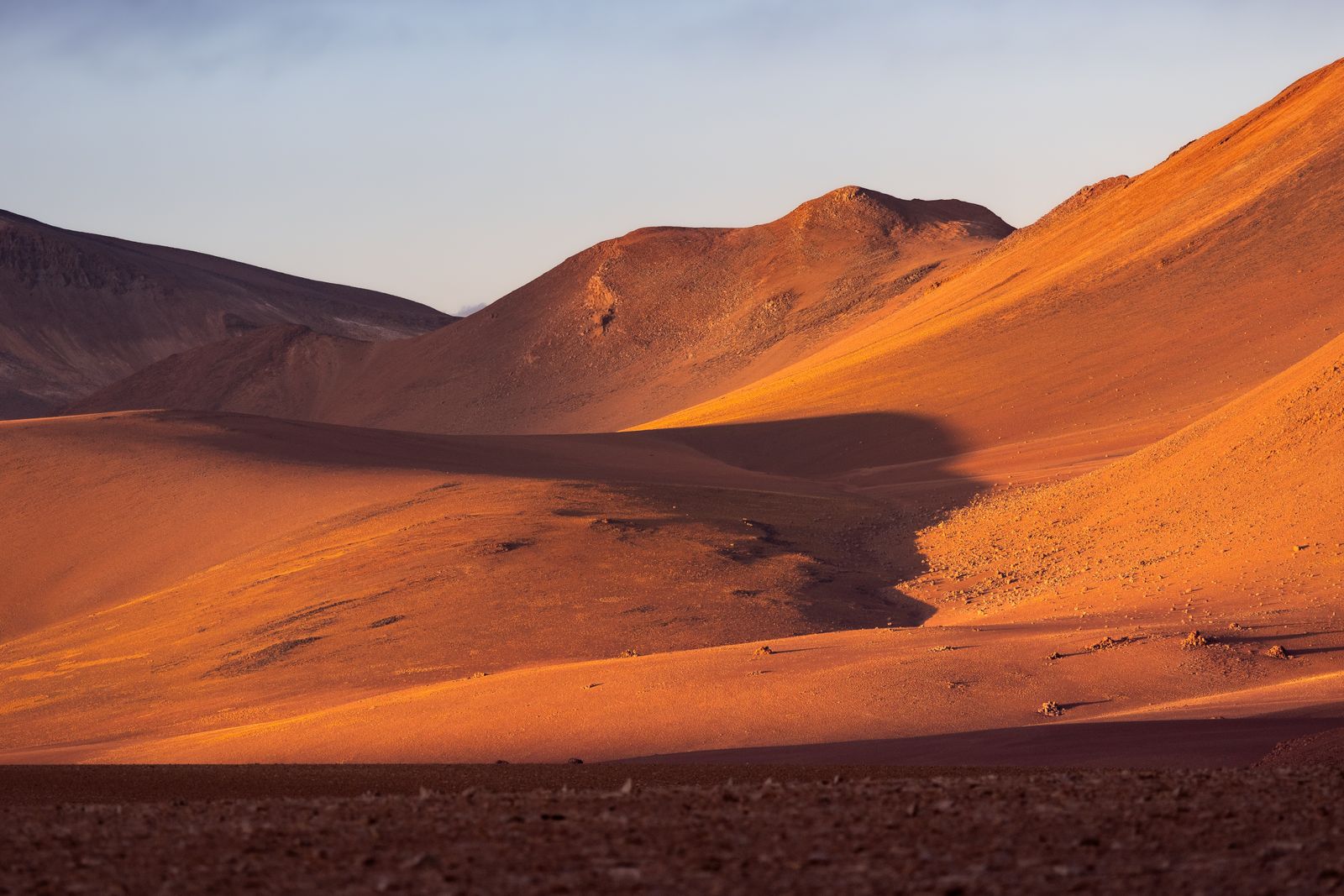
The 5 Best Luxury Hotels in Atacama, Chile 2026
Explore the best luxury hotels in Atacama for 2026. From the private guides of Awasi to the star-gazing decks of Explora, we review the top desert lodges.
May 14, 2026 · 16 min read
 Destinations
Where to Stay in the Atacama (2026): San Pedro Village vs Tierra vs Explora
The Atacama luxury-lodge split — the all-inclusive flagship trio (Tierra Atacama, Explora Atacama, Awasi Atacama), the in-village San Pedro boutique alternatives, and the textbook 3, 4 and 5-night Atacama bracket with named excursions and the Calama airport transfer rhythm.
May 17, 2026 · 14 min read
 Destinations
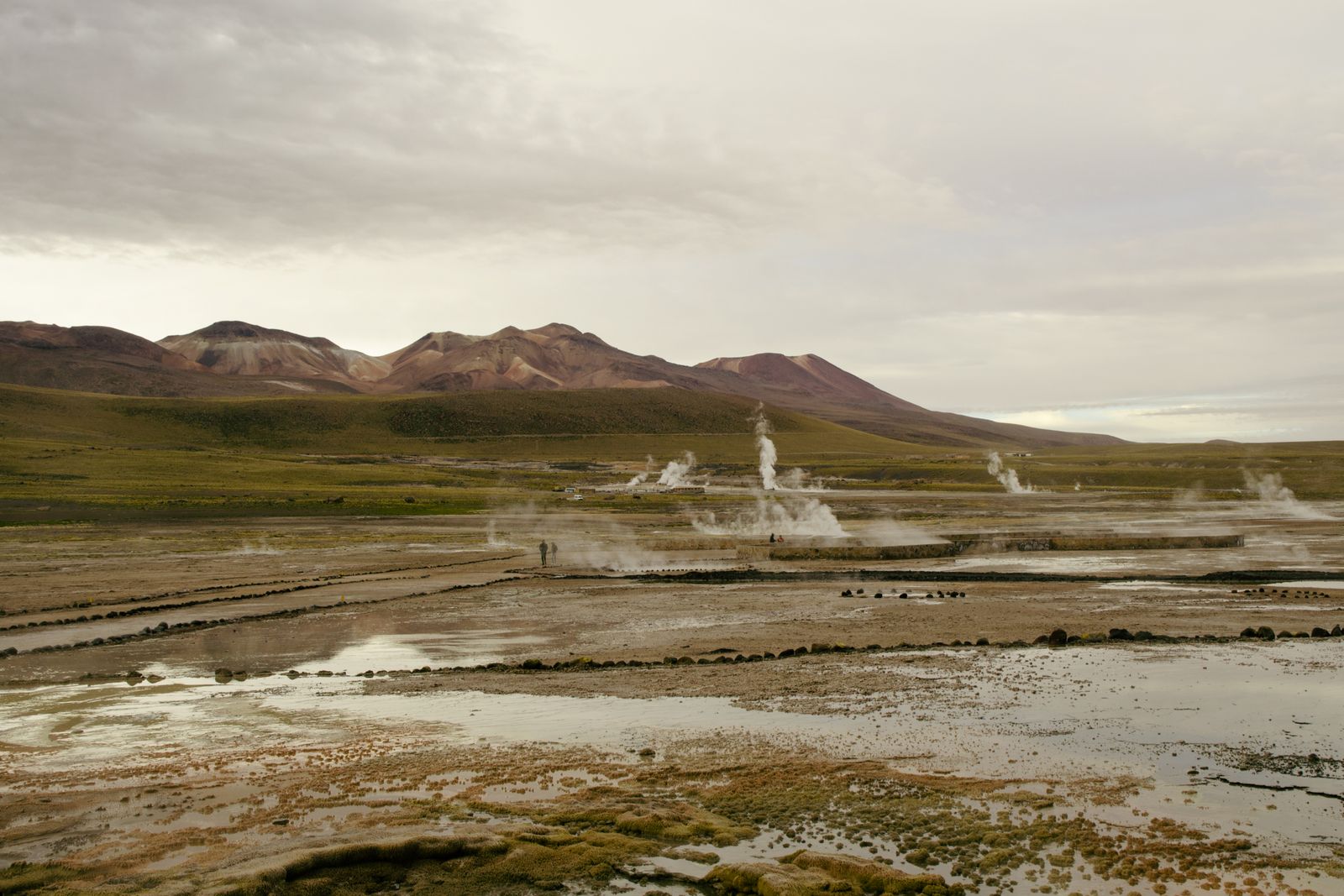
Atacama Stargazing & Geyser Itinerary (2026): El Tatio, ALMA and the Night-Sky Window
The textbook Atacama signature-excursion pair — the El Tatio geyser pre-dawn programme and the night-sky stargazing rotation — with named observatories (the in-lodge Explora, the San Pedro Astronomical Observatory, the ALMA day-tour) and the textbook altitude-acclimatised sequence.
May 17, 2026 · 14 min read
Also in Chile
 Hotels
The 5 Best Luxury Hotels in Santiago for 2026
Las Condes towers, Lastarria boutiques, and the Andes-view suites that anchor a Patagonia or Atacama itinerary — five properties tested across a paid week.
May 14, 2026 · 12 min read
 Hotels
The Best Luxury Lodges in Chilean Patagonia for 2026
Five Patagonia lodges — Explora Torres del Paine, Tierra Patagonia, Awasi Patagonia, EcoCamp Patagonia and The Singular Patagonia — with the all-inclusive guided-excursion reality, the in-park vs Puerto Natales decision, and which lodge is the only one inside Torres del Paine itself.
May 14, 2026 · 13 min read
 Destinations
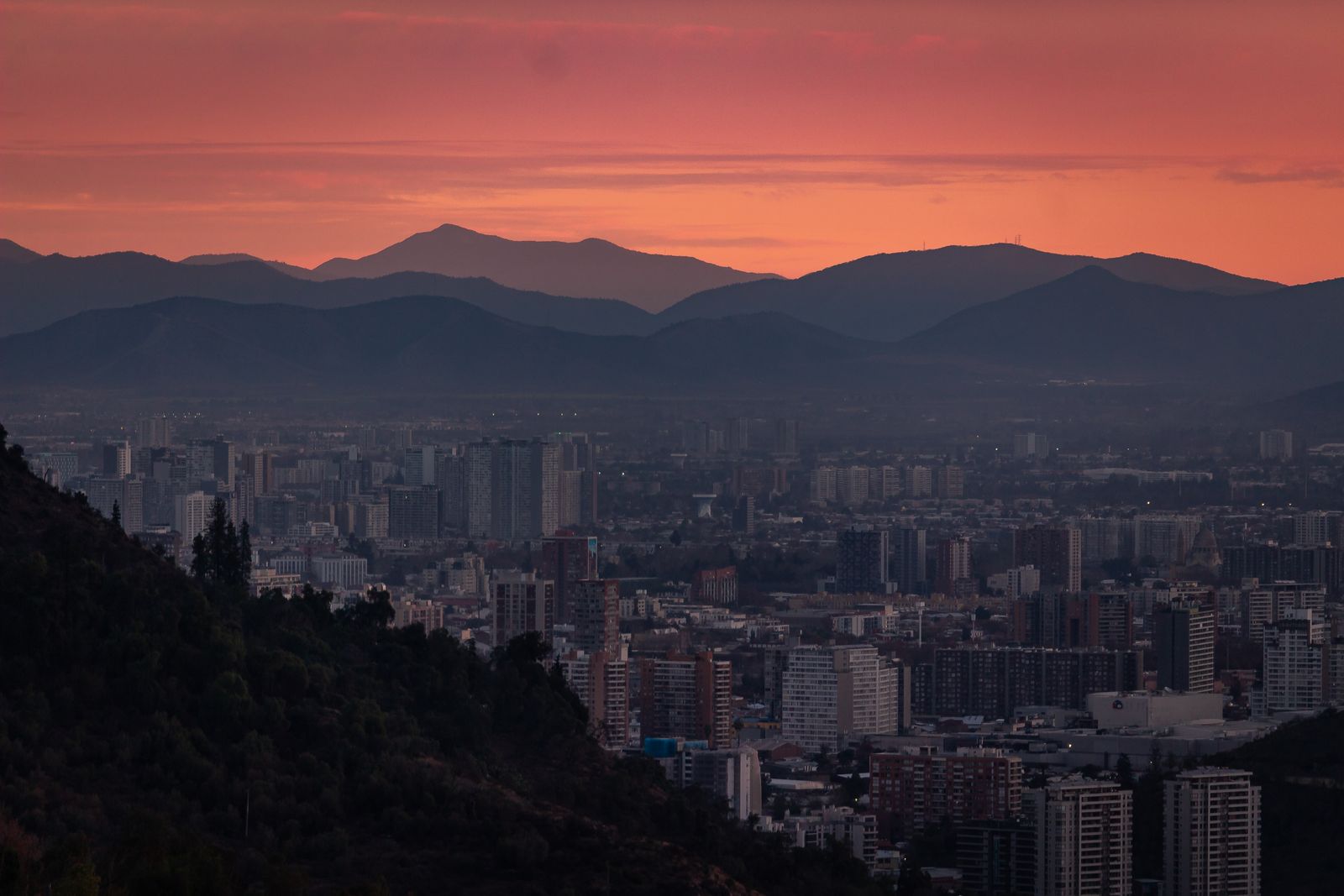
Where to Stay in Santiago de Chile (2026): Lastarria vs Vitacura Picks
The four Santiago neighbourhoods that earn a luxury booking — Lastarria for walkable culture, Vitacura for the design-and-shopping anchor, Las Condes for the corporate-plus-spa base, and Providencia for the value-band city pick — with named hotels and the textbook transfer rhythm from SCL airport.
May 17, 2026 · 13 min read
Sources
- Numbeo cost-of-living — Atacama — verified 2026-05-13
- climate-data.org — Atacama — verified 2026-05-13
Last updated 2026-05-14 by The Lucalvry Edit.