

Patagonia
El Calafate gateway — Eolo, Estancia Cristina, glacier walks.
The Lucalvry view
Argentine Patagonia is a region the size of Spain with a population of less than two million — and the luxury offering is concentrated in a handful of estancias and lodges around El Calafate (the Los Glaciares National Park gateway) and El Chaltén (the Fitz Roy trekking base). The headline is the Perito Moreno glacier — five kilometres wide, sixty metres tall at the face, and the rare advancing glacier that calves house-sized blocks of ice into Lake Argentino with reliable theatre. Behind it sit Cerro Torre and the Fitz Roy massif, the most photographed granite spires in the southern hemisphere.
The ground game is small and very high-end. Eolo (a 17-room steppe lodge between El Calafate and the park) and Estancia Cristina (a working ranch reachable only by boat across Lake Argentino) are the two anchors; the Awasi Patagonia all-inclusive and the more recent Explora El Chaltén handle the trekking-focused end. Most travellers stage through El Calafate's airport (FTE) — a three-hour direct from Buenos Aires — and divide the week between the glacier side (three or four nights at Eolo or in El Calafate) and the trekking side (two or three nights in El Chaltén, three hours north by road).
The weather is the trip. Patagonian wind is genuinely violent — 80km/h gusts on a normal afternoon, occasional 120km/h fronts that close the trekking trails — and the famous saying that 'you get four seasons in one day' is operationally true. Pack hard-shell layers, accept that one of your scheduled days will get reshuffled, and book the lodges (not the city hotels) so a weather pivot becomes a long lunch rather than a wasted afternoon. December through March is the working window; outside it, the lodges close and the wind makes the experience punishing.
Neighborhoods
Where to base yourself
El Calafate
Stay hereThe administrative gateway town on Lake Argentino — airport, supermarkets, the Glaciarium museum, and a row of city-grade hotels. Useful as a single transit night, not the place to spend the trip.
The Steppe (towards the park)
Eolo's stretch — open Patagonian grassland with guanaco herds and condor sightings, 30 minutes by road from El Calafate and the closest serious lodge to the Perito Moreno entrance.
Lake Argentino north arm
Boat-only access — Estancia Cristina sits at the head of the lake under the Upsala glacier, three hours by catamaran from Punta Bandera and a different country once you're there.
El Chaltén
The trekking village under Fitz Roy — three hours north of El Calafate, walk-in access to the Laguna de los Tres and Laguna Torre trails, no ATMs and limited connectivity. The headline base for serious walkers.
Hotels
Where to stay
- $$$$
Eolo Patagonia Spirit
17 rooms on the steppe between El Calafate and the park — full-board with private excursions included; the most polished lodge experience in the region.
- $$$$
Estancia Cristina
Working ranch on the north arm of Lake Argentino — boat access only, all-inclusive, and the only lodge inside the National Park boundary.
- $$$$
Awasi Patagonia (Torres del Paine border)
Twelve villas with private guide and 4x4 included — the highest-touch all-inclusive in the southern Andes (technically Chilean side, paired with El Calafate).
- $$$$
Explora El Chaltén
The 2024 Explora opening at the trailhead — the only proper lodge in El Chaltén and the right base for the Fitz Roy walking week.
- $$$
Esplendor El Calafate
Town-centre design hotel — the strongest in-town option for an arrival or transit night before the lodge transfer.
Dining
Where to eat
- $$$$
Eolo Lodge dining room
Set menu, lamb-on-a-cross asado one night, and one of the strongest Argentine wine lists in the region — the food is the lodge's quietest strength.
- $$
La Tablita, El Calafate
The town's reliable parrilla — Patagonian lamb cordero al palo and a packed local crowd. Book ahead in season.
- $$
Pura Vida, El Calafate
Home-cooking restaurant in a wooden cabin overlooking the lake — limited covers, owner-cooked, and the best slow dinner in town.
- $$
Mi Viejo, El Calafate
The unpretentious local-favourite parrilla — same lamb, half the price of La Tablita, and the right call after a glacier-trek day.
- $$
La Tapera, El Chaltén
Wood-fired stews and a tiny dining room that books out by 8pm — the trekkers' canteen of choice in El Chaltén.
An ideal day
What to do
- Day 1
Fly Buenos Aires to El Calafate (FTE), transfer to Eolo or check into town hotel. Afternoon walk on Laguna Nimez bird reserve to acclimatise to the wind.
- Day 2
Perito Moreno glacier full-day — the catwalks for the front-face viewing, then a 90-minute mini-trek on the ice with crampons. The glacier calves loudest in the early afternoon.
- Day 3
Estancia Cristina day — catamaran across Lake Argentino past the Upsala glacier, lunch at the ranch, and a 4x4 transfer up to the Cañadón de los Fósiles viewpoint over Upsala.
- Day 4
Road transfer to El Chaltén (3 hours through the steppe — guanaco herds en route). Afternoon warm-up walk to the Mirador de los Cóndores.
- Day 5
Laguna de los Tres trek — 22km round-trip to the Fitz Roy base lake, the last kilometre is steep scree but the payoff is the most photographed view in Patagonia. Start at first light.
- Day 6
Easier day at Laguna Torre or a horseback ride at Estancia La Quinta — the body needs the recovery before the flight back to Buenos Aires.
Logistics
Getting around
Patagonia is a fly-then-drive region. The starting point is El Calafate Airport (FTE), three hours by direct from Buenos Aires Aeroparque (AEP) on Aerolíneas Argentinas or LATAM. From FTE, all serious lodges arrange private transfers (Eolo is 30 minutes; Estancia Cristina is 90 minutes by road plus 2 hours by boat). El Chaltén is a 3-hour paved road north of El Calafate — most travellers do it as a one-way, sleeping at both ends. Inside the National Park, the catwalks at Perito Moreno are the only walking; everything else needs a guide and a 4x4. Skip self-driving unless you're comfortable with single-lane gravel and the Patagonian wind — the lodge transfers are not significantly more expensive once you factor in fuel and the time cost of the 3pm closure of unpaved access roads in bad weather.
Cost snapshot
What things cost in Patagonia
- Espresso
- $3.00
- Dinner for two
- $50
- Taxi (5 km)
- $9
- 4★ hotel/night
- $280
Numbeo medians, mid-week shoulder season. Verified 2026-05-13.
Best time to visit
Twelve months in Patagonia
| Month | Avg high | Rain days | Crowds | Prices |
|---|---|---|---|---|
| Jan | 21°C | 4 | ●●●●● | ●●●●● |
| Feb | 21°C | 4 | ●●●●● | ●●●●● |
| Mar | 18°C | 5 | ●●●●● | ●●●●● |
| Apr | 14°C | 7 | ●●●●● | ●●●●● |
| May | 9°C | 9 | ●●●●● | ●●●●● |
| Jun | 6°C | 9 | ●●●●● | ●●●●● |
| Jul | 6°C | 9 | ●●●●● | ●●●●● |
| Aug | 8°C | 8 | ●●●●● | ●●●●● |
| Sep | 11°C | 6 | ●●●●● | ●●●●● |
| Oct | 15°C | 5 | ●●●●● | ●●●●● |
| Nov | 18°C | 4 | ●●●●● | ●●●●● |
| Dec | 20°C | 4 | ●●●●● | ●●●●● |
FAQ
Common questions about Patagonia
- How many days do I need in Patagonia?
- Six full days on the ground is the minimum — two for the El Calafate / Perito Moreno side, two for El Chaltén, and one buffer day each end for weather. A week including arrival and departure flights is the realistic length. Add three days if you're crossing into Chilean Patagonia (Torres del Paine) — the border crossing at Cerro Castillo is straightforward but takes a half-day each way.
- Best time to visit Patagonia?
- December through early March is the southern summer and the only window we book. Within that, late November and early March are the editor's picks — daylight to 9pm, the wind slightly more manageable, and lodge availability outside the Christmas/January peak. Avoid mid-July to mid-September entirely (lodges closed, trails snow-bound, the wind genuinely dangerous). October and April are technically operating but the weather is a coin-flip and we generally steer travellers away.
- How fit do I need to be for Patagonia?
- Moderately fit for the headline experiences — Perito Moreno catwalks are flat and accessible to anyone; the glacier mini-trek requires no technical skills but does require comfort on a 90-minute walk on uneven ice. The Fitz Roy day-trek (Laguna de los Tres) is the one demanding day — 22km, 800m of vertical, and the last hour is steep scree. Easier alternatives at El Chaltén (Laguna Torre, Mirador Maestri) cover the same scenery without the scree.
- El Calafate or El Chaltén — or both?
- Both, and they're complementary. El Calafate is the glacier side — Perito Moreno, Estancia Cristina, Upsala. El Chaltén is the trekking side — Fitz Roy, Cerro Torre, the granite spires that define the Patagonian identity. Pick one only if your trip is under five days; otherwise budget three nights each. Eolo is the strongest lodge for the El Calafate leg; Explora's 2024 opening is finally a proper anchor for the El Chaltén leg.
- Is the wind really that bad?
- Yes, and it's the single most underestimated planning factor. Sustained 60–80km/h afternoon winds are the Patagonian normal in summer; 100km/h+ gusts on the ridges close the trails on perhaps three days a month. Pack a hard-shell jacket and trekking trousers (not jeans), a brimmed hat with a chin strap, and accept that one of your scheduled days will get rescheduled around the weather. The lodges are excellent at the pivot — most have a flexible 24-hour-out activity-rebook policy.
From the edit
Guides & stays in Patagonia
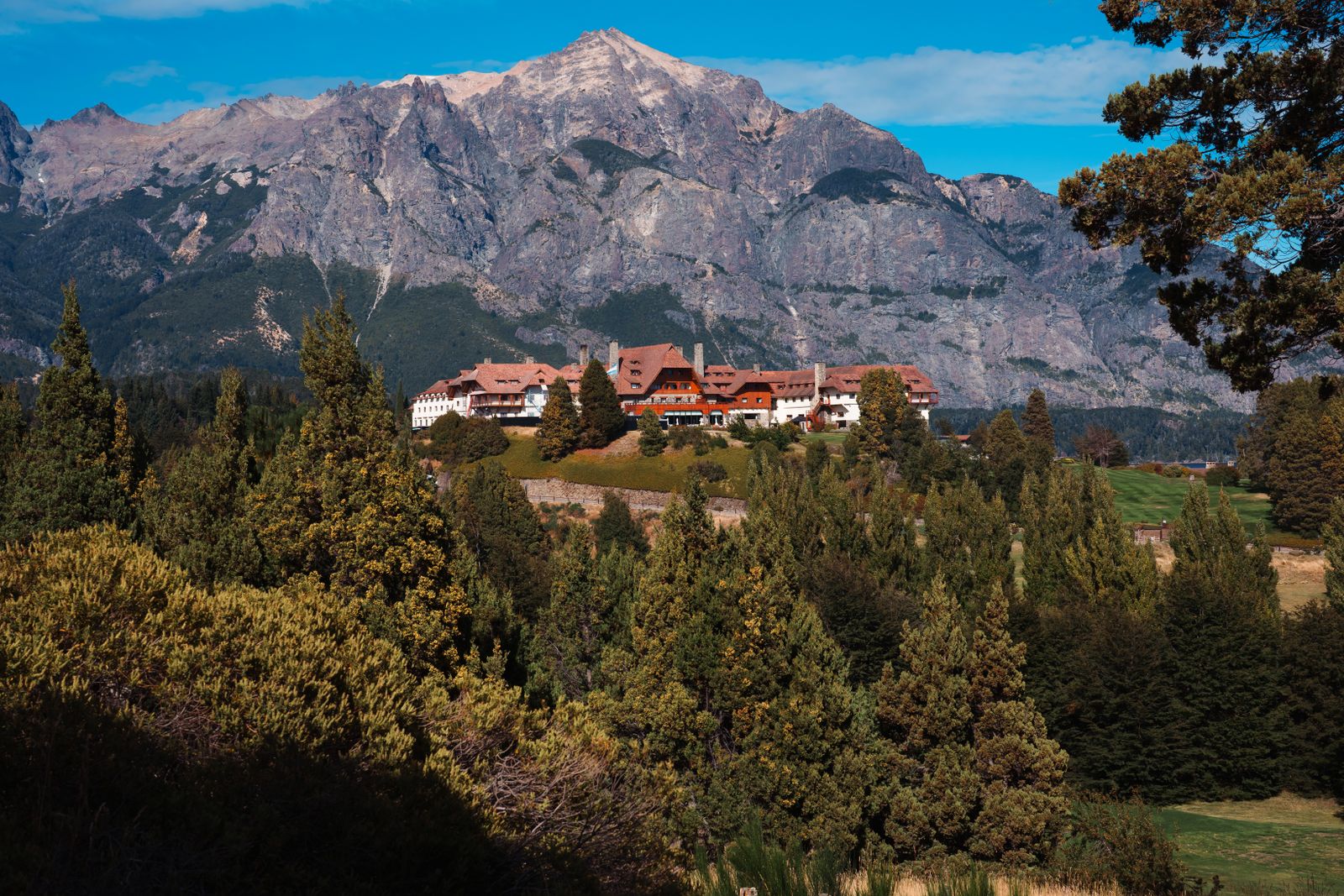 Hotels
Best Luxury Hotels in Patagonia, Argentina 2026
We paid our way across Patagonia, Argentina in 2025–26 to rank the best luxury stays for 2026—palace icons, design boutiques, and serious adventure lodges.
May 14, 2026 · 16 min read
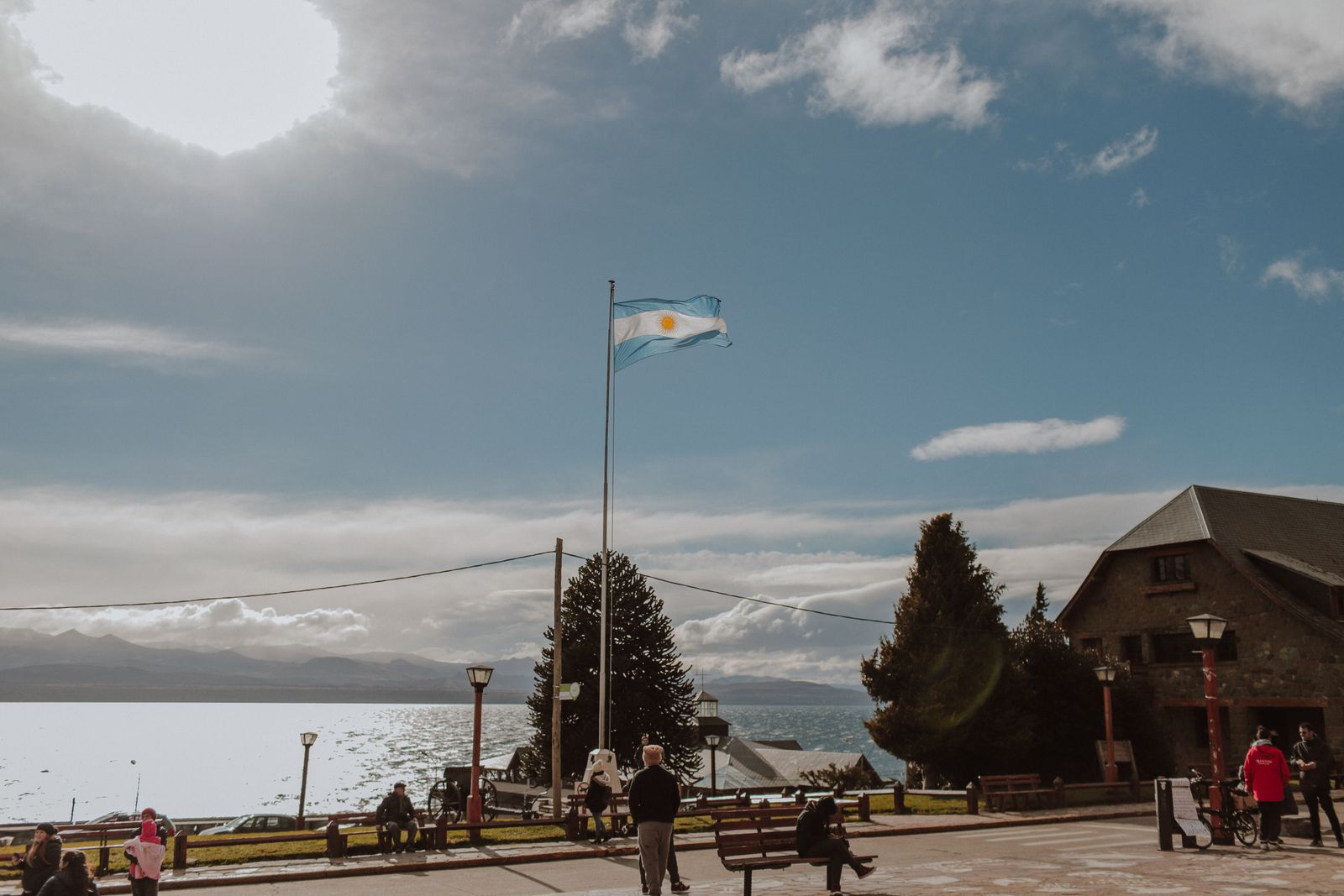 Destinations
Where to Stay in Argentine Patagonia (2026): Bariloche vs El Calafate Picks
The four Argentine Patagonia bases worth booking — Bariloche and the Llao Llao circuit, El Calafate and the Perito Moreno window, El Chaltén for the trekkers, and the Peninsula Valdés coastal bracket — with named lodges, transfer minutes from each airport, and the season-by-season rate reality.
May 16, 2026 · 14 min read
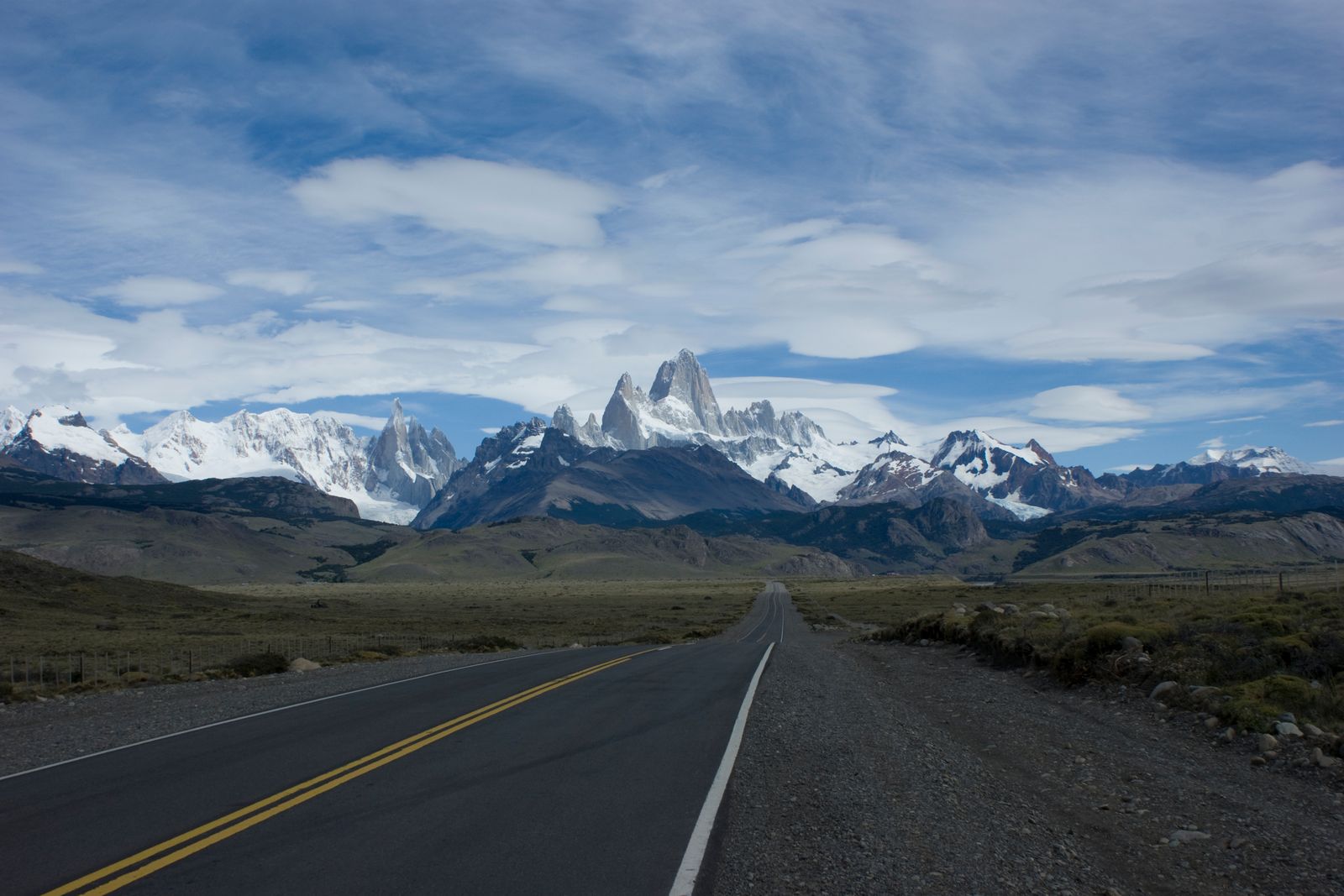 Destinations
Patagonia Argentina Routing Guide (2026): The 7, 10 and 14-Night Itineraries
The textbook Argentine Patagonia routing — the 7-night Bariloche-plus-El Calafate week, the 10-night addition of El Chaltén, and the 14-night Peninsula Valdés or Torres del Paine extension — with named flights, inter-cluster timings and the dry-versus-wet-season call.
May 16, 2026 · 15 min read
Also in Argentina
 Hotels
Best Luxury Wine Stays in Mendoza 2026: Six Vineyard Lodges Tested
Six Mendoza vineyard properties we paid to test in 2026 — the working-bodega lodges in Uco Valley, the Maipú heritage estancias, and the smartest sub-USD 600 sleepers.
May 14, 2026 · 12 min read
HotelsThe 6 Best Luxury Hotels in Buenos Aires for 2026
Recoleta palaces, Palermo design hotels, and the under-marketed Retiro grande dames — six properties tested across a paid week during Argentina's currency-reset window.
May 14, 2026 · 13 min read
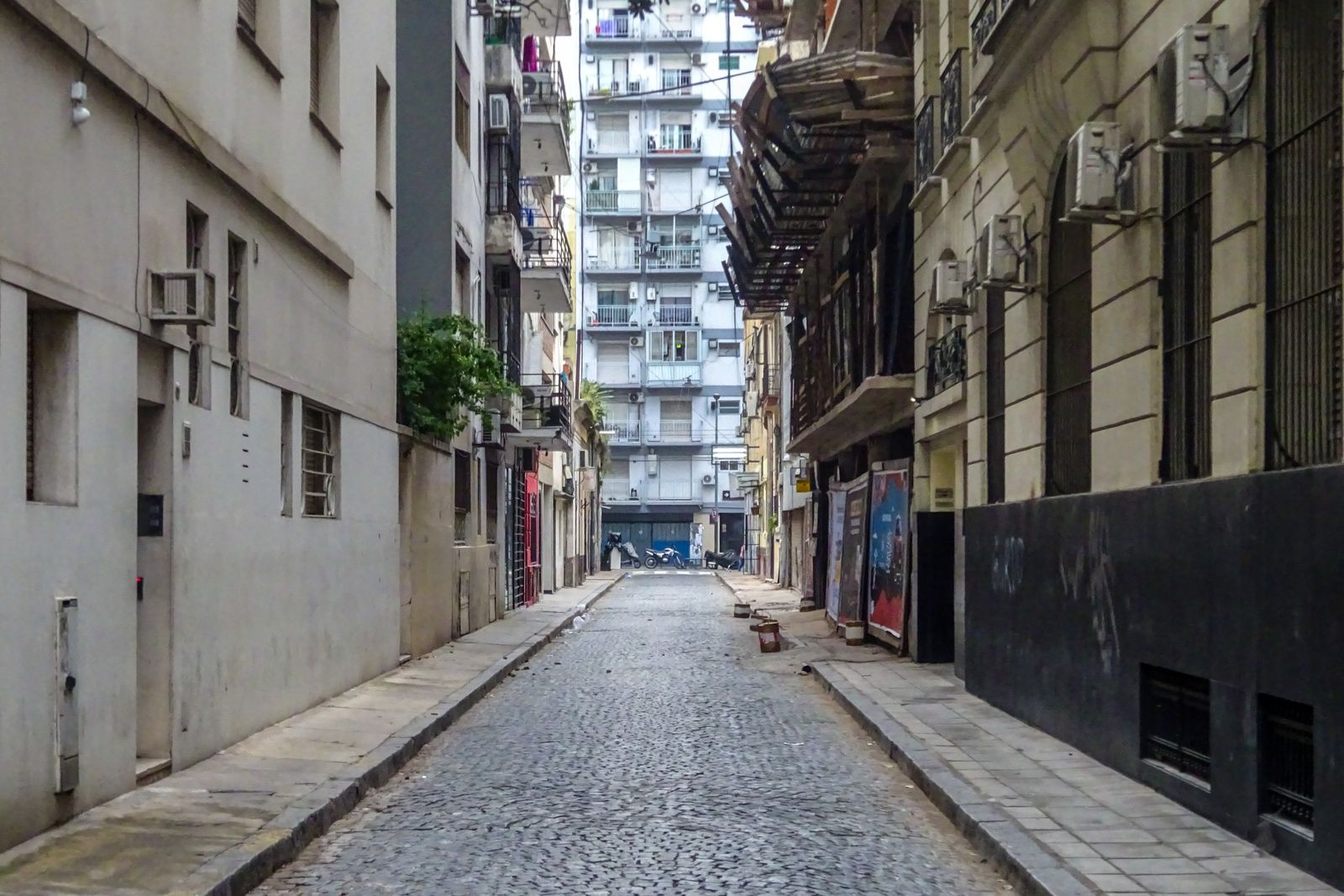 Destinations
Where to Stay in Buenos Aires (2026): Recoleta vs Palermo Picks
The five Buenos Aires neighbourhoods that actually earn a luxury hotel base — Recoleta, Palermo Soho, Palermo Chico, Retiro and Puerto Madero — with named hotels per band, the Ezeiza transfer reality in minutes, and walk-times to the parrillas, cafés and museums that decide the week.
May 16, 2026 · 14 min read
Sources
- Numbeo cost-of-living — Patagonia — verified 2026-05-13
- climate-data.org — Patagonia — verified 2026-05-13
Last updated 2026-05-14 by The Lucalvry Edit.