

Buenos Aires
Faena, Palacio Duhau — Recoleta walks and steakhouse dinners.
The Lucalvry view
Buenos Aires is the most European city in Latin America and the most Latin in spirit — a 24-hour town where dinner starts at 10pm, the milongas spin until dawn, and the wine list at any neighbourhood parrilla embarrasses most New York steakhouses. The luxury anchor is Recoleta — Palacio Duhau on Avenida Alvear, the Four Seasons in the Mansion next door, and a walking radius that takes in the Recoleta Cemetery, MALBA, and the Beaux-Arts mansions of Avenida Alvear before lunch.
The second base, increasingly, is Palermo Soho and Palermo Hollywood — leafy, low-rise, dense with independent design hotels (Casa Lucía, Home Hotel, Mio) and the city's strongest restaurant block. Puerto Madero's Faena Hotel sits in its own waterfront category, more theatrical than the Recoleta grandes dames and the right pick for first-timers who want the Philippe Starck statement room with the unicorn-horn bedhead.
Three nights is the bare minimum and frankly underplays the city; four to five lets you eat properly, take a Sunday at the San Telmo antiques market, and see a serious tango show without the trip feeling like a checklist. Buenos Aires also functions as the Argentine arrival hub — most Patagonia and Iguazú itineraries land here, sleep one or two nights to reset, and then push south. Our standing recommendation is to bookend the country with the city: arrive, fly to Patagonia, and finish with three slow Buenos Aires nights at the back end when you actually have the energy for the late dinners.
Neighborhoods
Where to base yourself
Recoleta
Stay hereThe grand 19th-century quarter — Palacio Duhau, the Four Seasons Mansion, the cemetery, MALBA a short walk south. The right anchor for first-time visitors who want walkable luxury.
Palermo Soho & Hollywood
Tree-lined, low-rise, and the dining-and-design heart of the city — independent boutique hotels, the strongest brunch density, and the late-night bar scene that defines modern Buenos Aires.
Puerto Madero
The redeveloped docklands — Faena Hotel, Puente de la Mujer, and the city's only true waterfront luxury. Quieter at night than Palermo but a 10-minute taxi from anywhere.
San Telmo
The cobbled colonial quarter south of the centre — Sunday antiques market on Plaza Dorrego, milonga halls, and the city's oldest tango bars. Better visited than slept in.
Belgrano & Las Cañitas
Residential and quieter — embassy streets, the Chinatown stretch on Arribeños, and a strong polo-club crowd in Las Cañitas. A second-stay neighbourhood for return visitors.
Hotels
Where to stay
- $$$$
Palacio Duhau – Park Hyatt
The 1934 Palacio and a modern tower joined by gardens and a 200-cheese cellar — Buenos Aires's quietest grand-luxe address.
- $$$$
Four Seasons Buenos Aires
The Belle Époque Mansion suites are the sleeper booking — seven rooms above a private garden, on the same Recoleta block as Duhau.
- $$$$
Faena Hotel Buenos Aires
Philippe Starck's red-velvet theatrical statement on the Puerto Madero waterfront — the city's most photographed hotel and the right first-trip choice.
- $$$
Casa Lucía, Retiro
A 2022 reopening of the old Hotel Continental as a 142-room design hotel — the strongest mid-luxe value in the city centre.
- $$
Home Hotel Buenos Aires, Palermo
Tom Rixton's neighbourhood pioneer — 20 rooms, garden pool, and the right base for the Palermo dining circuit.
- $$$
Mio Buenos Aires, Recoleta
Owned by the Trapiche wine family — wood-and-stone interiors and a 36-room scale that delivers serious service without the Faena price tier.
Dining
Where to eat
- $$$
Don Julio, Palermo
The world's most-booked parrilla — bone-in ribeye, the house Malbec, and a six-week reservation lead. Worth every email.
- $$$
El Preferido de Palermo
Pablo Rivero's neighbourhood follow-up to Don Julio — bodega-style room, tortilla, and one of the city's strongest sherry lists.
- $$$$
Tegui, Palermo Hollywood
Germán Martitegui's tasting-menu flagship behind an unmarked graffitied door — the most ambitious kitchen in the country.
- $$$
Anchoíta, Palermo
Farm-to-table fine dining from Enrique Piñeyro's team — eight courses, an open kitchen, and the city's most interesting natural-wine pairing.
- $$
Café San Juan, San Telmo
Lele Cristóbal's bistro institution — the long lunch is a city ritual; the rabbit ravioli and matambre are the orders to beat.
An ideal day
What to do
- Morning
Coffee at Lab Tostadores in Palermo, then a walk through the Bosques de Palermo and the Rosedal — 90 minutes that resets the body clock after the overnight flight.
- Late morning
Recoleta Cemetery (free entry, allow 90 minutes for Eva Perón's family vault and the Beaux-Arts mausoleums), then MALBA across the park for the Frida Kahlo and Latin-American modernist collection.
- Afternoon
Lunch at El Preferido or Café San Juan, then a slow San Telmo walk — the Sunday antiques market on Plaza Dorrego is a city-defining hour if your trip lands on the weekend.
- Late afternoon
Aperitivo at Florería Atlántico — a flower-shop entrance hides one of the world's top-50 bars, and the gin list rewards a slow hour before dinner.
- Evening
Dinner at Don Julio (book six weeks ahead) or Tegui, then on to a milonga — Salón Canning on Tuesday nights, La Catedral for the younger crowd. The dancing starts after midnight; the city expects it.
Logistics
Getting around
Buenos Aires runs on radio-taxis and Uber — both work, both are inexpensive (a Recoleta-to-Palermo run is rarely more than US$5), and both are safer than hailing on the street at night. The Subte (subway) covers the central business district and Recoleta but stops running at 11pm; for the late-dinner culture you'll be in cars after midnight regardless. Walking is excellent in Recoleta, Palermo, and San Telmo — flat, tree-lined, and well-policed in the tourist circuit. From Ezeiza Airport, Tienda León's executive transfer is US$45 and 45 minutes; private hotel cars run US$80 and use the same road. Skip rental cars entirely.
Cost snapshot
What things cost in Buenos Aires
- Espresso
- $2.50
- Dinner for two
- $40
- Taxi (5 km)
- $5
- 4★ hotel/night
- $130
Numbeo medians, mid-week shoulder season. Verified 2026-05-13.
Best time to visit
Twelve months in Buenos Aires
| Month | Avg high | Rain days | Crowds | Prices |
|---|---|---|---|---|
| Jan | 30°C | 8 | ●●●●● | ●●●●● |
| Feb | 29°C | 8 | ●●●●● | ●●●●● |
| Mar | 27°C | 8 | ●●●●● | ●●●●● |
| Apr | 23°C | 8 | ●●●●● | ●●●●● |
| May | 19°C | 7 | ●●●●● | ●●●●● |
| Jun | 16°C | 7 | ●●●●● | ●●●●● |
| Jul | 15°C | 7 | ●●●●● | ●●●●● |
| Aug | 18°C | 7 | ●●●●● | ●●●●● |
| Sep | 20°C | 7 | ●●●●● | ●●●●● |
| Oct | 23°C | 9 | ●●●●● | ●●●●● |
| Nov | 26°C | 9 | ●●●●● | ●●●●● |
| Dec | 29°C | 8 | ●●●●● | ●●●●● |
FAQ
Common questions about Buenos Aires
- How many days do I need in Buenos Aires?
- Three nights is the working minimum and underplays the city; four to five is the right answer. The dinner culture starts late (reservations 9.30–10.30pm) and the milongas don't peak until 1am, so you need at least one full rest day before you have the energy for the late nights. If you're routing onwards to Patagonia or Iguazú, bookend the trip — one or two arrival nights, then a longer three- or four-night close.
- Best time to visit Buenos Aires?
- October–November and March–April are the editor's windows — warm but not stifling, the jacaranda trees in November are city-defining, and the rates are softer than the December–February southern summer. Avoid January (locals leave for the coast and many restaurants close their kitchens) and the depths of July–August (cold and grey, though the indoor tango culture compensates). The city is walkable year-round, but November and March are simply the months we book first.
- Is Buenos Aires safe?
- Yes within the tourist circuit — Recoleta, Palermo, Puerto Madero, and central San Telmo are safe to walk after dark with normal urban precautions. The standard cautions apply (don't flash phones on the late-night Subte, watch belongings on the Sunday San Telmo market, don't wander south of San Telmo into La Boca after sunset). Use Uber or radio-taxis at night rather than hailing on the street. The peso volatility means carrying a mix of US dollar cash and cards, which we cover separately.
- Cards or cash in Buenos Aires?
- Both, with a strong bias toward US dollar cash. Argentina runs multiple exchange rates — the official, the MEP, and the informal 'blue' rate — and paying card transactions on a foreign card now uses the MEP rate (close to the blue), so card use is finally fair value. Still, carry US$500–1,000 in clean $100 bills for cash exchange at a cueva (or via Western Union, which often beats the cueva rate); pesos drawn from ATMs use a worse rate and cap at small amounts per withdrawal.
- Tango show or milonga?
- Both, but on different nights. A serious tango show (Rojo Tango at the Faena, or Café de los Angelitos for the dinner format) is the right introduction — staged, technical, and the dancers are exceptional. A milonga (Salón Canning, La Catedral, Confitería Ideal) is the social version where porteños actually dance — observe from the edge for the first hour, accept a cabeceo (the across-the-room invitation) only if you genuinely know the steps. Tuesday and Sunday nights are the strongest.
From the edit
Guides & stays in Buenos Aires
 Hotels
The 6 Best Luxury Hotels in Buenos Aires for 2026
Recoleta palaces, Palermo design hotels, and the under-marketed Retiro grande dames — six properties tested across a paid week during Argentina's currency-reset window.
May 14, 2026 · 13 min read
 Destinations
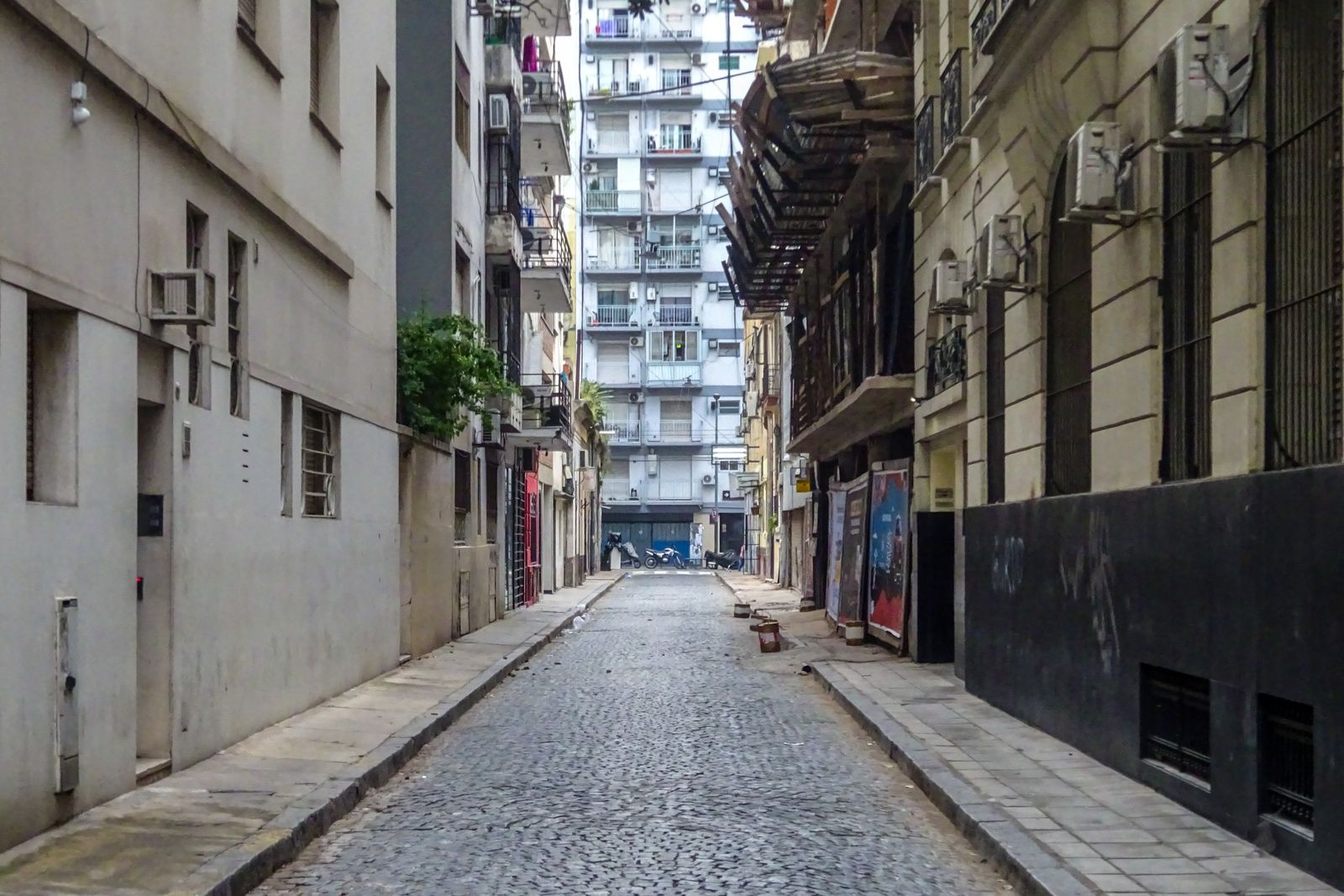
Where to Stay in Buenos Aires (2026): Recoleta vs Palermo Picks
The five Buenos Aires neighbourhoods that actually earn a luxury hotel base — Recoleta, Palermo Soho, Palermo Chico, Retiro and Puerto Madero — with named hotels per band, the Ezeiza transfer reality in minutes, and walk-times to the parrillas, cafés and museums that decide the week.
May 16, 2026 · 14 min read
 Destinations
Buenos Aires Tango & Parrilla Guide (2026): The Milonga and Steakhouse Itinerary
The named tango milongas worth a Buenos Aires booking and the parrilla addresses that deliver beyond the tourist circuit — sorted by neighbourhood, by night-of-week, and by the textbook two-anchor itinerary that pairs a milonga with a late-night steak.
May 16, 2026 · 14 min read
Also in Argentina
 Hotels
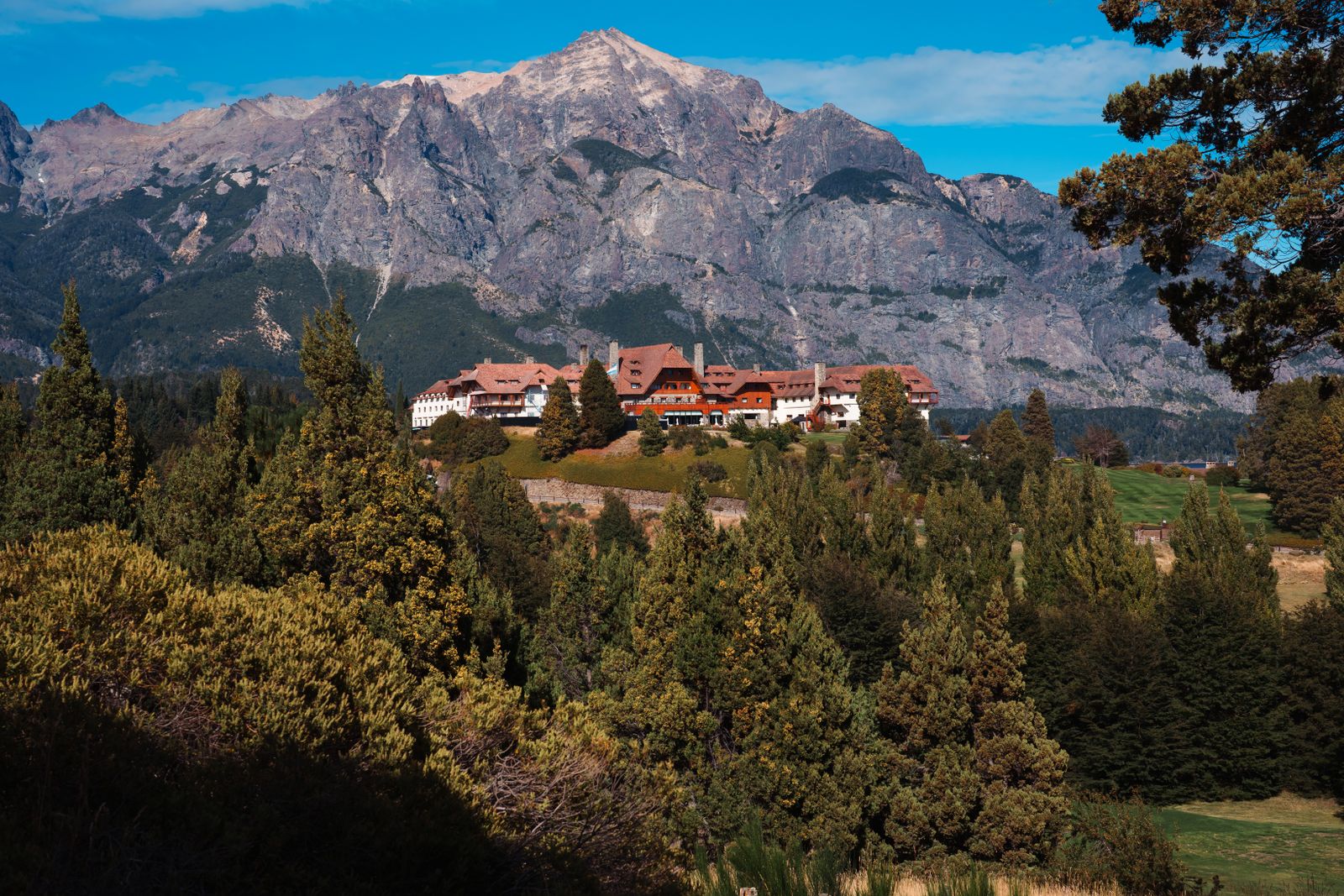
Best Luxury Hotels in Patagonia, Argentina 2026
We paid our way across Patagonia, Argentina in 2025–26 to rank the best luxury stays for 2026—palace icons, design boutiques, and serious adventure lodges.
May 14, 2026 · 16 min read
HotelsBest Luxury Wine Stays in Mendoza 2026: Six Vineyard Lodges Tested
Six Mendoza vineyard properties we paid to test in 2026 — the working-bodega lodges in Uco Valley, the Maipú heritage estancias, and the smartest sub-USD 600 sleepers.
May 14, 2026 · 12 min read
 Destinations
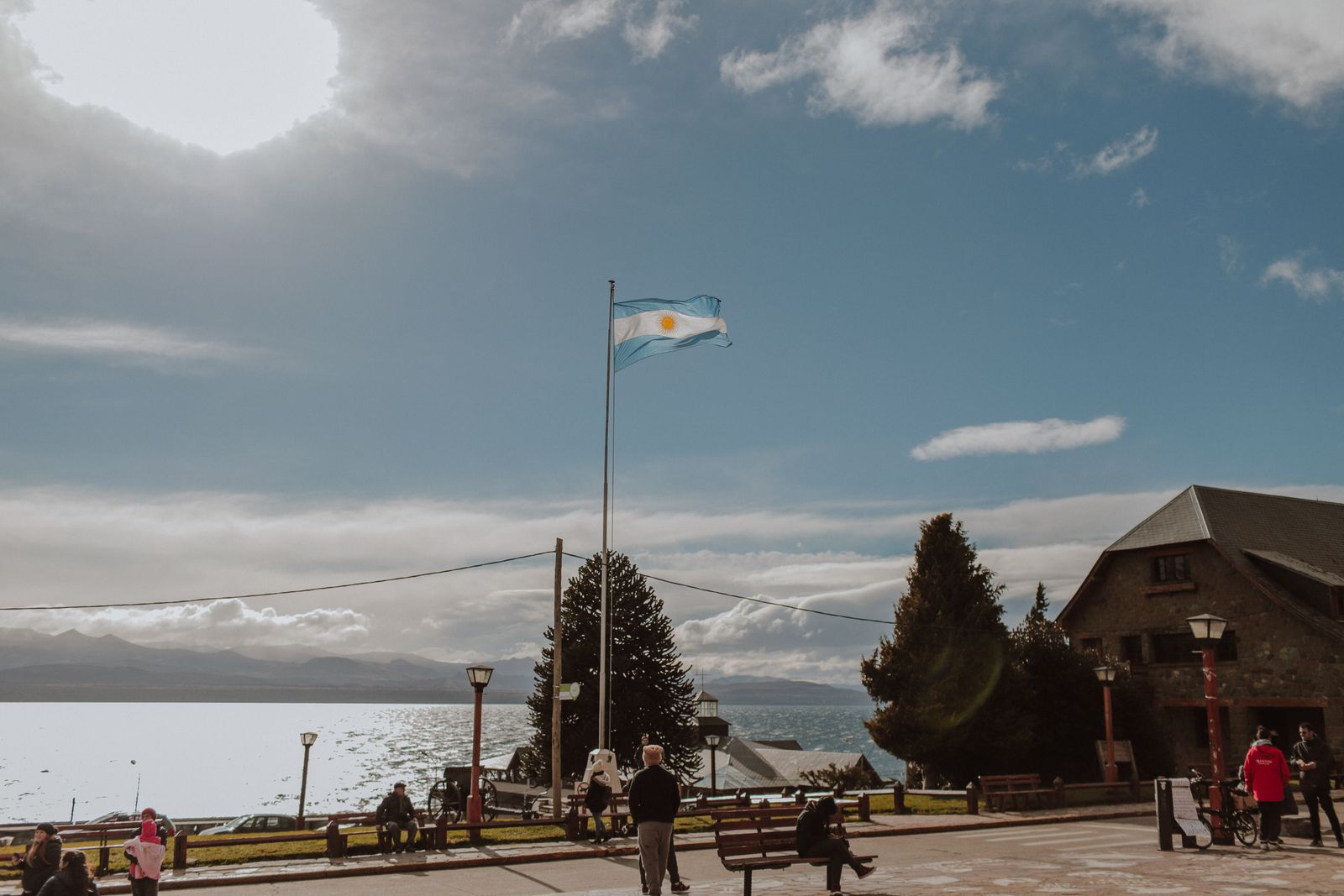
Where to Stay in Argentine Patagonia (2026): Bariloche vs El Calafate Picks
The four Argentine Patagonia bases worth booking — Bariloche and the Llao Llao circuit, El Calafate and the Perito Moreno window, El Chaltén for the trekkers, and the Peninsula Valdés coastal bracket — with named lodges, transfer minutes from each airport, and the season-by-season rate reality.
May 16, 2026 · 14 min read
Sources
- Numbeo cost-of-living — Buenos Aires — verified 2026-05-13
- climate-data.org — Buenos Aires — verified 2026-05-13
Last updated 2026-05-14 by The Lucalvry Edit.