

Mendoza
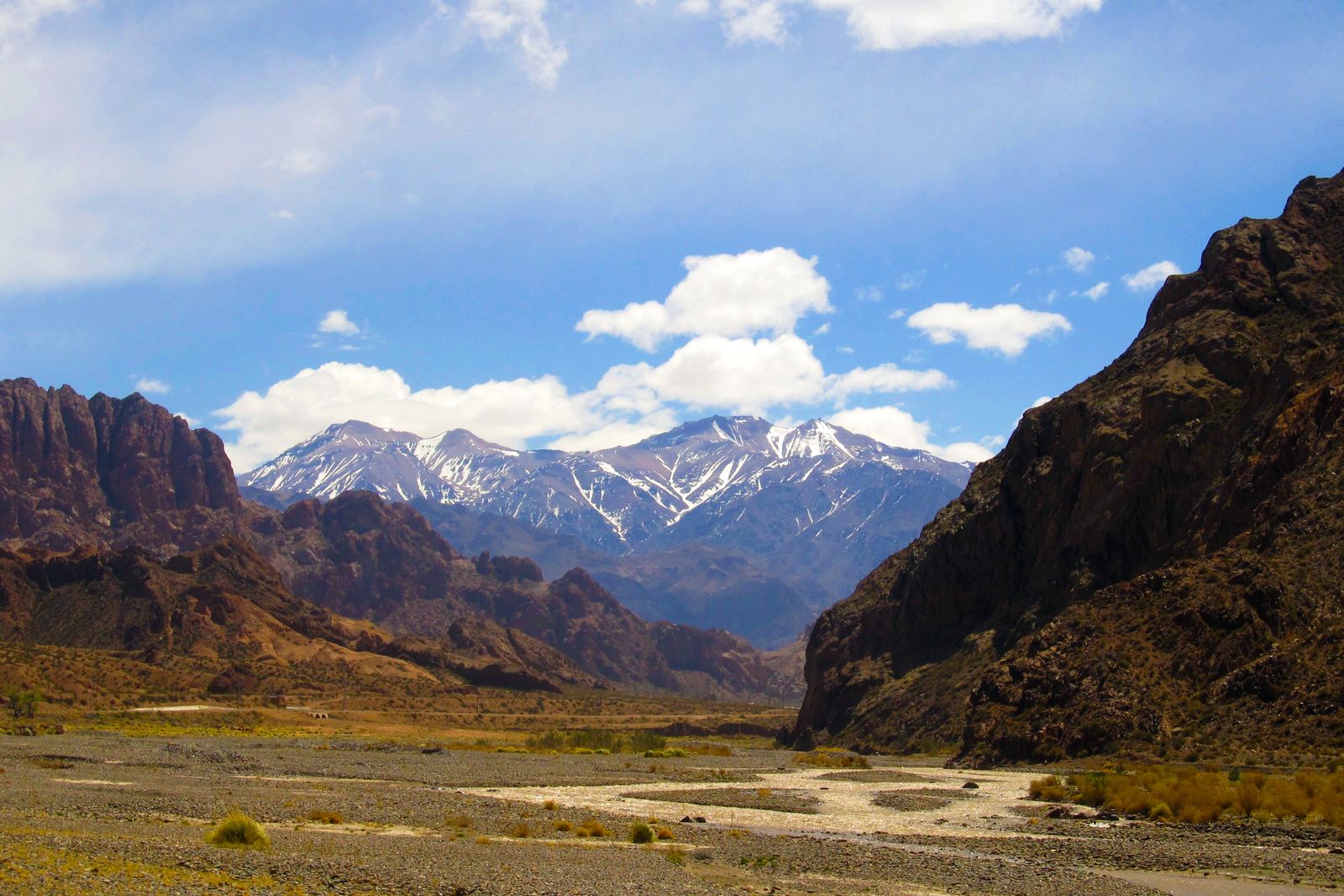
The Vines Resort & Spa, Cavas Wine Lodge — Andes-backed Malbec country.
The Lucalvry view
Mendoza is the wine-lodge capital of South America — a high-altitude desert city of 120,000 sitting in a vast oasis at the foot of Aconcagua, irrigated by Andean snowmelt and planted to roughly 70% of Argentina's vineyards. The international story is Malbec, but the more interesting current chapter is the high-altitude Cabernet Franc and Chardonnay coming out of the Uco Valley — an hour south of the city at 1,200–1,500 metres of elevation, where the temperature swing between day and night gives the wines an acidity and structure most New World regions can't replicate.
The luxury anchor is the Uco Valley itself. The Vines Resort & Spa (22 villas with private plunge pools, on its own working vineyard), Cavas Wine Lodge (an older boutique with adobe-walled casitas and a serious sunset terrace), and Casa de Uco (16 lakeside rooms surrounded by 300 hectares of vines) form a trio that competes with anything in Napa or the Barossa for ambition, at roughly half the price. The city of Mendoza itself works as a one-night arrival base — the Park Hyatt Mendoza on Plaza Independencia is reliable — but the trip is in the Uco.
Four to five nights is the working length. Most travellers fly in from Buenos Aires (a 90-minute hop on Aerolíneas Argentinas or JetSmart), spend a transit night in town, then move to a wine lodge for three or four nights of two-bodega-a-day visits, long lunches, and Andes-view dinners. The serious cycling crowd does Maipú self-guided on bikes; the rest of us hire a driver-guide (Trout & Wine, Ampora, Uncorking Argentina are the standing names) and let someone else handle the routing between bodegas.
Neighborhoods
Where to base yourself
Mendoza City (Plaza Independencia)
Tree-lined avenues, Park Hyatt, Plaza Independencia and the wide pedestrian Sarmiento — the city's compact, walkable centre and the right one-night arrival base.
Chacras de Coria
Leafy southern suburb 30 minutes from the city — a cluster of independent boutique stays (Casa Glebinias, Lares de Chacras) and the closest 'wine country' feel without the Uco drive.
Luján de Cuyo
The classic Malbec heartland — 45 minutes south of the city, dense with established bodegas (Catena Zapata, Norton, Achaval Ferrer) and the original wine-tourism circuit.
Valle de Uco — Tunuyán & Tupungato
Stay hereThe high-altitude headline region — 90 minutes south of the city, home to The Vines, Casa de Uco, Salentein, and the most ambitious modern bodegas in the country.
Hotels
Where to stay
- $$$$
The Vines Resort & Spa, Uco Valley
22 villas with private plunge pools on a working 600-hectare vineyard — Francis Mallmann's Siete Fuegos restaurant on site.
- $$$$
Cavas Wine Lodge, Luján de Cuyo
The original luxury wine lodge in the region — 17 adobe casitas, rooftop fireplaces, and the most photographed sunset terrace in Argentine wine country.
- $$$$
Casa de Uco Vineyards & Wine Resort
16 cantilevered rooms over a vineyard lake — quieter and architecturally serious; the strongest design statement in the Uco.
- $$$
Park Hyatt Mendoza
The reliable city hotel on Plaza Independencia — colonial façade, the casino in the basement, and the one-night arrival base before the Uco transfer.
- $$$
Lares de Chacras, Chacras de Coria
12-room family-run boutique in the leafy southern suburbs — strong garden pool and the right value pick if the Uco lodges are full.
Dining
Where to eat
- $$$$
Siete Fuegos by Francis Mallmann (The Vines)
The fire-cooking flagship — seven different open-flame techniques, the salt-crust beef tenderloin is the signature.
- $$$
Bodega Ruca Malen
The five-course wine-pairing lunch in Luján de Cuyo — the most reliably excellent bodega-lunch experience in the region. Book a vineyard-view table.
- $$$
Andeluna Cellars (Uco Valley)
Hilltop dining room with 360-degree Andes views — the empanadas-and-asado pairing is the standing recommendation.
- $$$
Azafrán, Mendoza City
The city's most ambitious in-town restaurant — local terroir, an enormous wine cellar, and a tasting menu that finally gives you a reason to dine in the city.
- $$$
1884 Restaurante Francis Mallmann (Godoy Cruz)
Mallmann's original Mendoza restaurant — open-fire kitchen in a historic adobe — for travellers who can't make the Vines drive.
An ideal day
What to do
- Day 1
Fly into Mendoza, transfer to The Vines or Cavas. Late-afternoon vineyard walk and a cellar-door tasting at the lodge to set the calibration.
- Day 2
Luján de Cuyo classic circuit — Catena Zapata's pyramid bodega, lunch at Ruca Malen, an afternoon at Achaval Ferrer. Driver-guide essential.
- Day 3
Uco Valley high-altitude day — Bodega Salentein for the Dutch-funded contemporary architecture, Andeluna for lunch, Domaine Bousquet for the organic story.
- Day 4
Andes day — drive up to Potrerillos for the reservoir view, optional horseback ride at Estancia Tupungato, return for dinner at Siete Fuegos.
- Day 5
City morning — Park San Martín, the Foundational Area ruins, lunch at Azafrán. Afternoon flight back to Buenos Aires.
Logistics
Getting around
Mendoza Airport (MDZ) is a 90-minute Aerolíneas Argentinas hop from Buenos Aires Aeroparque, with multiple daily frequencies. From MDZ, the city is 15 minutes by taxi (US$15) or by hotel transfer; the Uco Valley lodges are 90 minutes south on a paved highway and arrange their own transfers (US$120–180 one way). Inside wine country, hire a driver-guide — Trout & Wine, Ampora, and Uncorking Argentina are the established operators (US$300–450 per day with English-speaking driver and bodega bookings included). Self-driving is legal but ill-advised: the bodega day involves multiple tastings and Argentina's drink-driving limit is effectively zero. For the Maipú region (closer to the city), self-guided cycling is genuinely good — Mr Hugo's bike rental is the standing operator.
Cost snapshot
What things cost in Mendoza
- Espresso
- $2.50
- Dinner for two
- $40
- Taxi (5 km)
- $6
- 4★ hotel/night
- $160
Numbeo medians, mid-week shoulder season. Verified 2026-05-13.
Best time to visit
Twelve months in Mendoza
| Month | Avg high | Rain days | Crowds | Prices |
|---|---|---|---|---|
| Jan | 32°C | 3 | ●●●●● | ●●●●● |
| Feb | 31°C | 3 | ●●●●● | ●●●●● |
| Mar | 28°C | 3 | ●●●●● | ●●●●● |
| Apr | 24°C | 2 | ●●●●● | ●●●●● |
| May | 19°C | 2 | ●●●●● | ●●●●● |
| Jun | 15°C | 2 | ●●●●● | ●●●●● |
| Jul | 15°C | 2 | ●●●●● | ●●●●● |
| Aug | 18°C | 2 | ●●●●● | ●●●●● |
| Sep | 21°C | 2 | ●●●●● | ●●●●● |
| Oct | 25°C | 3 | ●●●●● | ●●●●● |
| Nov | 28°C | 3 | ●●●●● | ●●●●● |
| Dec | 31°C | 3 | ●●●●● | ●●●●● |
FAQ
Common questions about Mendoza
- How many days do I need in Mendoza?
- Four nights is the working answer — one transit night in the city or Chacras de Coria, three at a Uco Valley lodge. Three nights total feels rushed once you factor in the Uco transfer time; five lets you split between Luján de Cuyo and the Uco for a more complete picture of the region. Add an extra day if you want the high-Andes excursion to Aconcagua Provincial Park.
- Best time to visit Mendoza?
- March and April are the editor's months — harvest season, vineyards turning gold, the bodegas at their busiest in the cellars and the day temperatures finally manageable (mid-20s rather than the 35°C+ of January and February). October and November are the spring alternative — vines budding, snow still on the Andes, kinder rates. Avoid June through August: cold, frequently overcast, and many of the Uco lodges scale back operations.
- Luján de Cuyo or Uco Valley?
- Both, in that order. Luján de Cuyo is the classic, established Malbec region — 45 minutes from the city, easier to reach, and home to the heritage bodegas (Catena Zapata, Norton, Achaval Ferrer). The Uco Valley is the modern high-altitude story — 90 minutes south, higher elevation (1,200–1,500m), cooler nights, and the most architecturally ambitious bodegas of the last decade. Sleep in the Uco; visit Luján on a day trip from the lodge.
- Do I need a driver-guide?
- Yes. Argentina's drink-driving limit is functionally zero (0.05% nationally, often enforced lower in Mendoza), and the bodega day involves at least three tastings. Driver-guides also handle the bodega bookings (every serious bodega is now appointment-only) and the routing between Luján and the Uco, which is not obvious on a map. Budget US$300–450 per day for a private English-speaking driver-guide; the wine-lodge concierges arrange this directly.
- Is Mendoza wine country expensive?
- Less than Napa, Bordeaux, or Tuscany at every price tier — and significantly less if you're paying in cash at the informal exchange rate. A four-night Uco Valley wine-lodge week with private guide and bodega lunches lands in the US$4,000–6,000 per couple range; the equivalent Napa trip would clear US$10,000. The combination of the high quality of the modern Uco wines and the favourable peso pricing makes Mendoza our standing recommendation for value-led wine travel.
From the edit
Guides & stays in Mendoza
 Hotels
Best Luxury Wine Stays in Mendoza 2026: Six Vineyard Lodges Tested
Six Mendoza vineyard properties we paid to test in 2026 — the working-bodega lodges in Uco Valley, the Maipú heritage estancias, and the smartest sub-USD 600 sleepers.
May 14, 2026 · 12 min read
 Destinations
Where to Stay in Mendoza (2026): Uco Valley vs Luján de Cuyo Picks
The three Mendoza wine-country bases that earn a luxury booking — the Uco Valley high-altitude cluster, Luján de Cuyo on the city's southern edge, and the Maipú old-vine belt — with named bodega-hotels, transfer minutes from the airport, and the harvest-versus-shoulder rate split.
May 16, 2026 · 13 min read
 Destinations
Mendoza Harvest & Bodega Guide (2026): Vendimia, Malbec Terroir and the Tasting Itinerary
The textbook Mendoza wine-country itinerary — the named flagship bodegas across Uco Valley, Luján de Cuyo and Maipú, the harvest-season Vendimia booking window, and the cluster-by-cluster tasting rhythm with the textbook per-day three-bodega cap.
May 16, 2026 · 14 min read
Also in Argentina
 Hotels
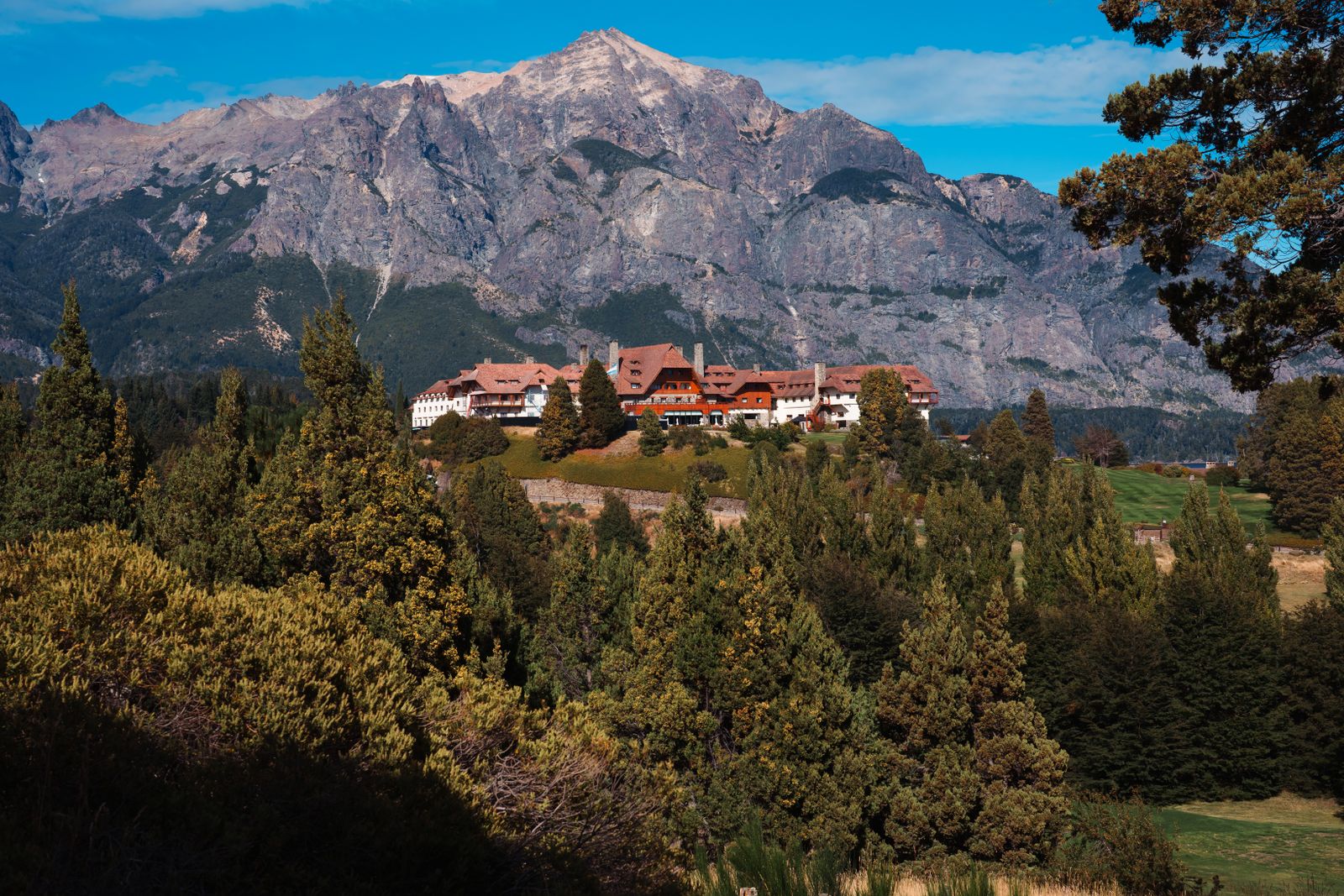
Best Luxury Hotels in Patagonia, Argentina 2026
We paid our way across Patagonia, Argentina in 2025–26 to rank the best luxury stays for 2026—palace icons, design boutiques, and serious adventure lodges.
May 14, 2026 · 16 min read
HotelsThe 6 Best Luxury Hotels in Buenos Aires for 2026
Recoleta palaces, Palermo design hotels, and the under-marketed Retiro grande dames — six properties tested across a paid week during Argentina's currency-reset window.
May 14, 2026 · 13 min read
 Destinations
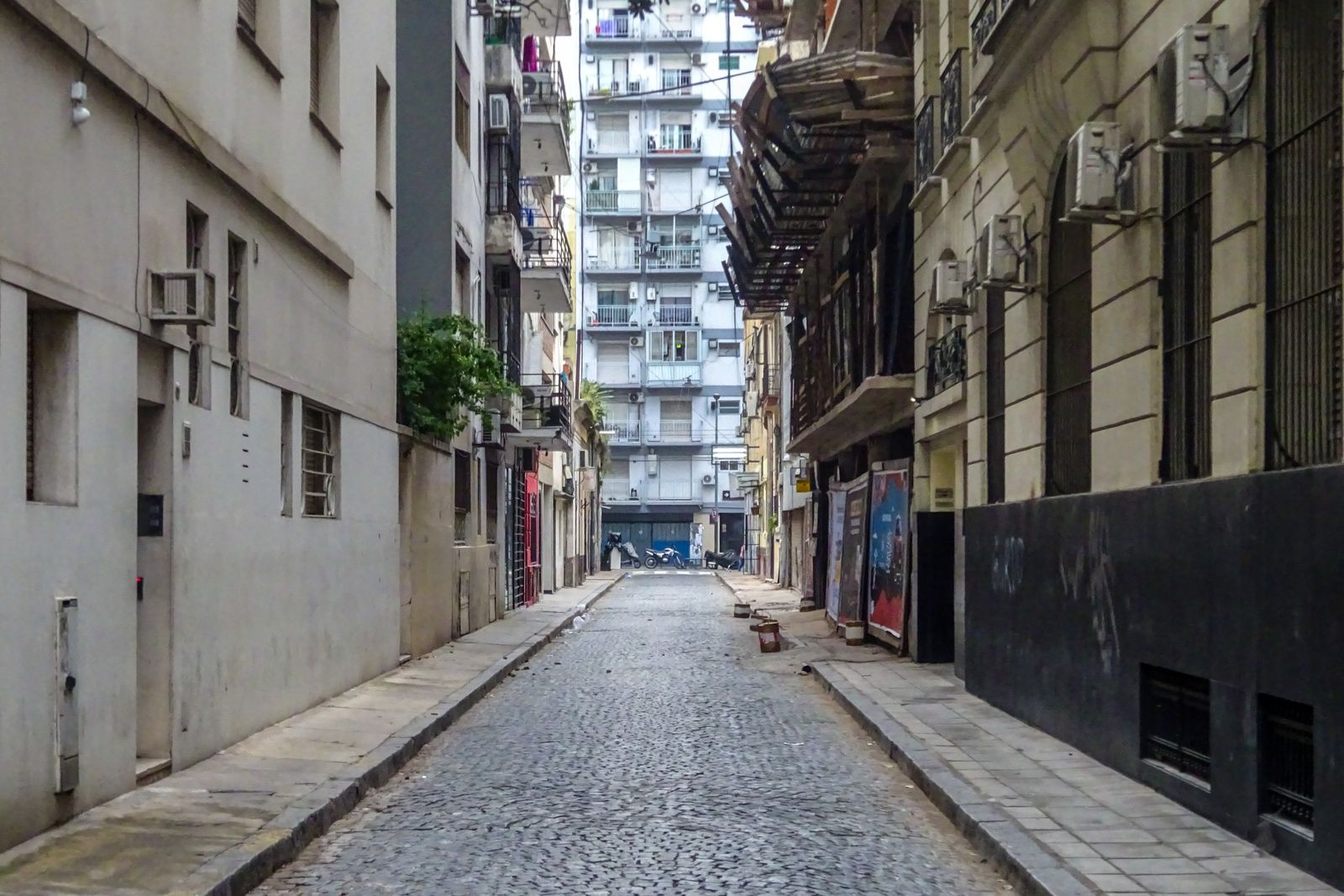
Where to Stay in Buenos Aires (2026): Recoleta vs Palermo Picks
The five Buenos Aires neighbourhoods that actually earn a luxury hotel base — Recoleta, Palermo Soho, Palermo Chico, Retiro and Puerto Madero — with named hotels per band, the Ezeiza transfer reality in minutes, and walk-times to the parrillas, cafés and museums that decide the week.
May 16, 2026 · 14 min read
Sources
- Numbeo cost-of-living — Mendoza — verified 2026-05-13
- climate-data.org — Mendoza — verified 2026-05-13
Last updated 2026-05-14 by The Lucalvry Edit.