

The Red Sea
Saudi's new luxury coast — Six Senses Southern Dunes, St Regis Ummahat.
The Lucalvry view
The Red Sea is the Saudi tourism opening's most ambitious single project — a 28,000-square-kilometre coastal-and-island development on the kingdom's western coast between Yanbu and Umluj, with 90 islands inside the protected zone, a brand-new Red Sea International Airport (RSI), and a phased resort programme that placed its first hotels into operation in late 2023. The development has been built explicitly to a 1-million-visitor annual cap (versus the Maldives' 1.6 million) under a sustainability framework that protects 75% of the islands from any development — the resulting luxury experience is genuinely unlike any other Indian-Ocean or Gulf coast.
The headline operating resorts as of 2026 are Six Senses Southern Dunes (the desert-and-coast hybrid, the most ambitious wellness programme), the St Regis Red Sea Resort on Ummahat AlShaykh Island (the over-water-villa headline product), Nujuma a Ritz-Carlton Reserve on Ummahat AlShaykh #1 (the smallest, most exclusive private-island stay), and Desert Rock by Habitas (the canyon-rock resort, accessed via the same airport). Three or four nights at one resort is the working window; the editor's seven-night version pairs Six Senses Southern Dunes (desert) with St Regis or Nujuma (island) for the contrast trip. The reefs are the second-most-biodiverse on earth after the Coral Triangle and the diving is genuinely exceptional.
Neighborhoods
Where to base yourself
Ummahat AlShaykh Islands
Stay hereThe headline island cluster — St Regis Red Sea Resort and Nujuma Ritz-Carlton Reserve on neighbouring private islands, accessed by speedboat or helicopter.
Southern Dunes (mainland)
The mainland-coast desert resort district — Six Senses Southern Dunes on the dune edge, the easiest mainland access from RSI airport.
Ashaar Valley (canyon)
The inland canyon resort district — Desert Rock by Habitas, climbing-and-canyon-walk activity programme, the most architecturally distinctive Red Sea stay.
AlWajh & Yanbu (gateway towns)
The traditional Saudi coastal towns flanking the development — visited rather than stayed in, but useful day-trip destinations for cultural context.
Hotels
Where to stay
- $$$$
Six Senses Southern Dunes
76 villas in a desert-and-coast hybrid setting — the most ambitious wellness programme on the Red Sea, with private-pool desert villas and the strongest dive-centre operation.
- $$$$
The St Regis Red Sea Resort
90 villas (47 over-water, 43 beachfront) on Ummahat AlShaykh — the headline over-water-villa experience, with the brand's signature butler service.
- $$$$
Nujuma, a Ritz-Carlton Reserve
63 villas on Ummahat AlShaykh #1 — the smallest, most exclusive private-island Red Sea stay, with 22 over-water villas and an emphasis on conservation programming.
- $$$$
Desert Rock by Habitas
60 villas built into a granite canyon inland from the coast — the most architecturally distinctive Red Sea stay, with rock-climbing and canyon-walk programming.
- $$$$
Shebara Resort
73 stainless-steel orb-shaped over-water and beach villas on Sheybarah Island — the sci-fi-design alternative, opened 2024 with a strong dive programme.
Dining
Where to eat
- $$$$
Long Weekend, Six Senses Southern Dunes
Open-fire pan-Arabian dining in the resort's signature restaurant — the most ambitious culinary programme on the Red Sea, with a strong vegetarian focus.
- $$$$
Tilina, Nujuma Ritz-Carlton
Over-water seafood restaurant on the reef edge — daily-changing menu drawn from the morning Red Sea catch, the most romantic dinner on the coast.
- $$$$
Gishiki, St Regis Red Sea
Japanese-Levantine crossover restaurant in a thatched-roof pavilion — the omakase counter is the standout, with sushi-grade tuna from Red Sea waters.
Resort dining (full board)
Most Red Sea travellers choose all-inclusive or full-board packages — the resort dining is genuinely the only option once you're on an island, and the kitchens are operating at international standard.
An ideal day
What to do
- Morning
Two-tank dive on the Red Sea reef walls — the second-most-biodiverse reef system on earth, with reef sharks, eagle rays, and rare endemic species. Both Six Senses and St Regis run PADI dive centres.
- Late morning
Snorkel from the over-water villa deck (the visibility is genuinely 30+ metres) or join a guided reef-walk in shallow water with the resort marine biologist.
- Lunch
Beach-side or pool-side resort lunch — most properties run a barefoot-elegant beach service with grilled fish and Levantine mezze.
- Afternoon
Spa treatment (Six Senses Southern Dunes runs the most ambitious wellness programme on the coast), or a private dhow charter to one of the 90 protected islands for a sandbar-picnic afternoon.
- Evening
Sunset cocktails on the over-water villa deck, dinner at Tilina or Gishiki, then optional star-gazing session with the resort astronomer (the protected-area dark-sky designation is genuinely unmatched in the region).
Logistics
Getting around
Red Sea International Airport (RSI) opened in 2023 as the dedicated gateway for the development — daily Saudia flights from Riyadh (90 minutes) and Jeddah (45 minutes), plus seasonal direct service from Dubai (90 minutes). On arrival, the resorts arrange all transfers as part of the booking — Six Senses and Desert Rock are short land transfers (15–30 minutes), while St Regis and Nujuma are accessed by 25-minute speedboat or 10-minute helicopter from the airport's dedicated boat terminal. Within the development, you don't drive yourself — every excursion (dive boat, dhow charter, mainland day-trip) is run by the resort. The 1-million-visitor cap means pre-booking is essential and walk-up is not possible.
Cost snapshot
What things cost in The Red Sea
- Espresso
- $5.00
- Dinner for two
- $100
- Taxi (5 km)
- $15
- 4★ hotel/night
- $650
Numbeo medians, mid-week shoulder season. Verified 2026-05-13.
Best time to visit
Twelve months in The Red Sea
| Month | Avg high | Rain days | Crowds | Prices |
|---|---|---|---|---|
| Jan | 25°C | 1 | ●●●●● | ●●●●● |
| Feb | 26°C | 1 | ●●●●● | ●●●●● |
| Mar | 29°C | 1 | ●●●●● | ●●●●● |
| Apr | 32°C | 1 | ●●●●● | ●●●●● |
| May | 36°C | 0 | ●●●●● | ●●●●● |
| Jun | 38°C | 0 | ●●●●● | ●●●●● |
| Jul | 39°C | 0 | ●●●●● | ●●●●● |
| Aug | 39°C | 0 | ●●●●● | ●●●●● |
| Sep | 37°C | 0 | ●●●●● | ●●●●● |
| Oct | 33°C | 1 | ●●●●● | ●●●●● |
| Nov | 29°C | 1 | ●●●●● | ●●●●● |
| Dec | 26°C | 1 | ●●●●● | ●●●●● |
FAQ
Common questions about The Red Sea
- Is the Red Sea coast actually open?
- Yes — the first resorts (Six Senses Southern Dunes, St Regis Red Sea Resort, Desert Rock) opened to guests in late 2023 and Nujuma Ritz-Carlton plus Shebara opened in 2024. The wider development continues through the decade with additional resorts and Amaala (the northern wellness-focused sister project) opening progressively. Bookings are accepted through standard luxury-travel channels.
- Six Senses or St Regis or Nujuma?
- Six Senses Southern Dunes for the desert-and-coast hybrid experience, the most ambitious wellness programme, and the strongest activity range. St Regis for the headline over-water-villa product with the brand's signature butler service. Nujuma for the smallest, most exclusive private-island stay with the most personalised conservation programming. Most editors rank them as roughly comparable — the choice is stylistic.
- Maldives versus Red Sea?
- The Red Sea is genuinely a different proposition. The reefs are second-most-biodiverse on earth (versus the Maldives' more typical coral-island reefs), the protected-area cap means significantly fewer guests in the water, the dive walls drop 1,000m+ within easy reach of the islands, and the cultural-context day-trips (AlWajh, Yanbu, the inland canyons) add a layer the Maldives doesn't have. The Maldives wins on flight-time-to-water and on resort maturity; the Red Sea wins on diving and on environmental setting.
- When to visit?
- October to April is the working window — water temperatures 24–28°C, air temperatures 26–32°C, calm seas and excellent dive visibility. December and January are the absolute peak with European winter-escape demand. May to September is hot (40°C+ air) but the water remains pleasant and many resorts run reduced-rate summer programmes; just be prepared for mid-day heat that limits beach time to early morning and evening.
- Do I need a visa?
- Yes — the standard Saudi tourist eVisa covers Red Sea coast travel ($130 USD, one-year multi-entry, processed in 24–72 hours via Visit Saudi). Resort dress codes are fully relaxed (swimwear at the beach and pool is fine); modest dress is only relevant for excursions to the mainland gateway towns of AlWajh and Yanbu.
From the edit
Guides & stays in The Red Sea
 Hotels
Best Luxury Resorts on Saudi Arabia's Red Sea 2026: Five Giga-Project Stays Tested
Five Red Sea Project resorts we paid to test in 2026 — the Ritz-Carlton Reserve overwater flagship, the design-led island properties, and the smartest sub-USD 1,800 sleepers in Saudi Arabia's new luxury archipelago.
May 14, 2026 · 11 min read
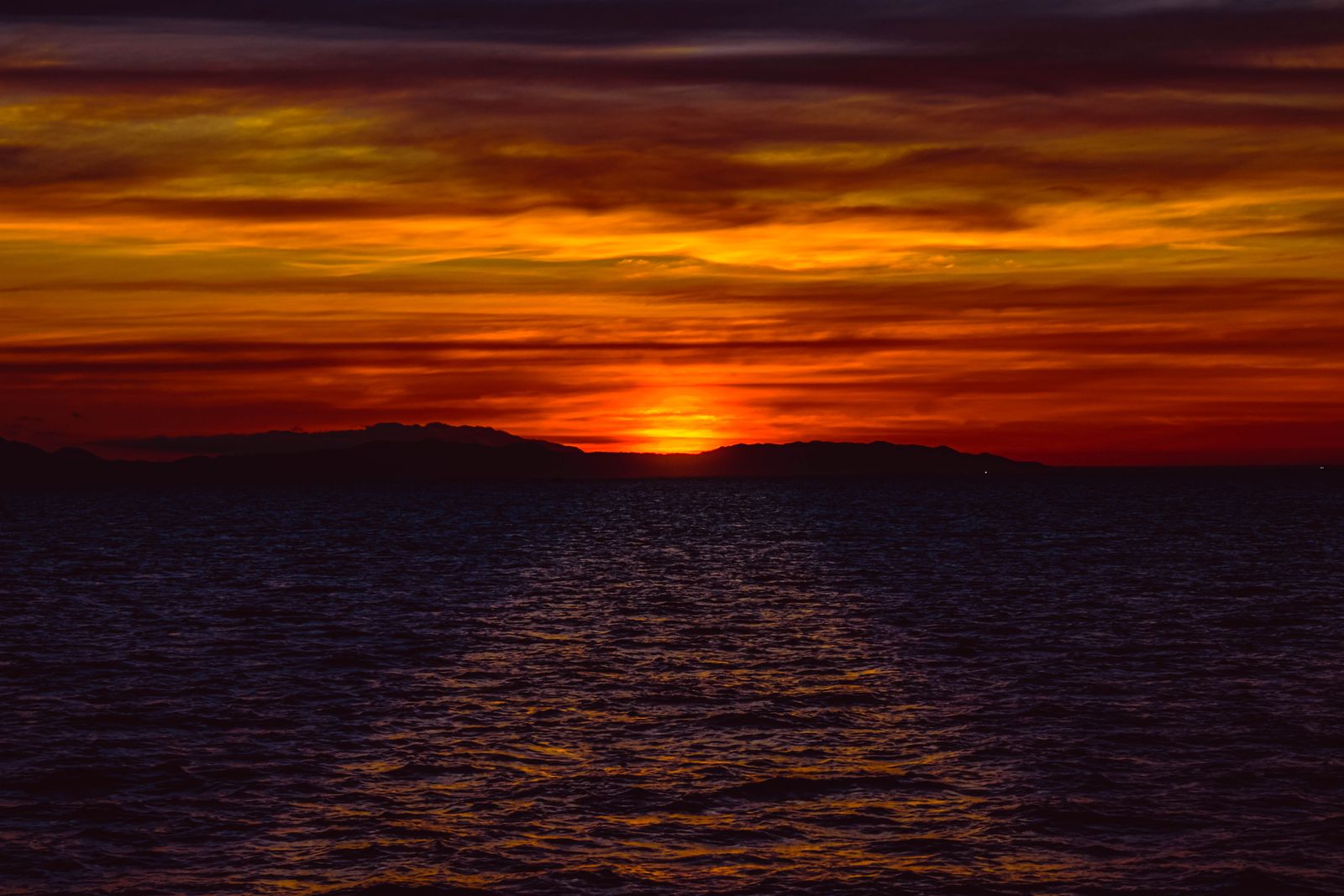 Destinations
Where to Stay on The Red Sea (2026): Sheybarah vs Nujuma vs Desert Rock Picks
The three Red Sea Project bases that earn a luxury booking — the Sheybarah Island stainless-steel orb flagship, the Nujuma Ritz-Carlton Reserve overwater-villa anchor, and the Desert Rock inland mountain-resort alternative — with named hotels and the textbook Red Sea International Airport access rhythm.
May 20, 2026 · 13 min read
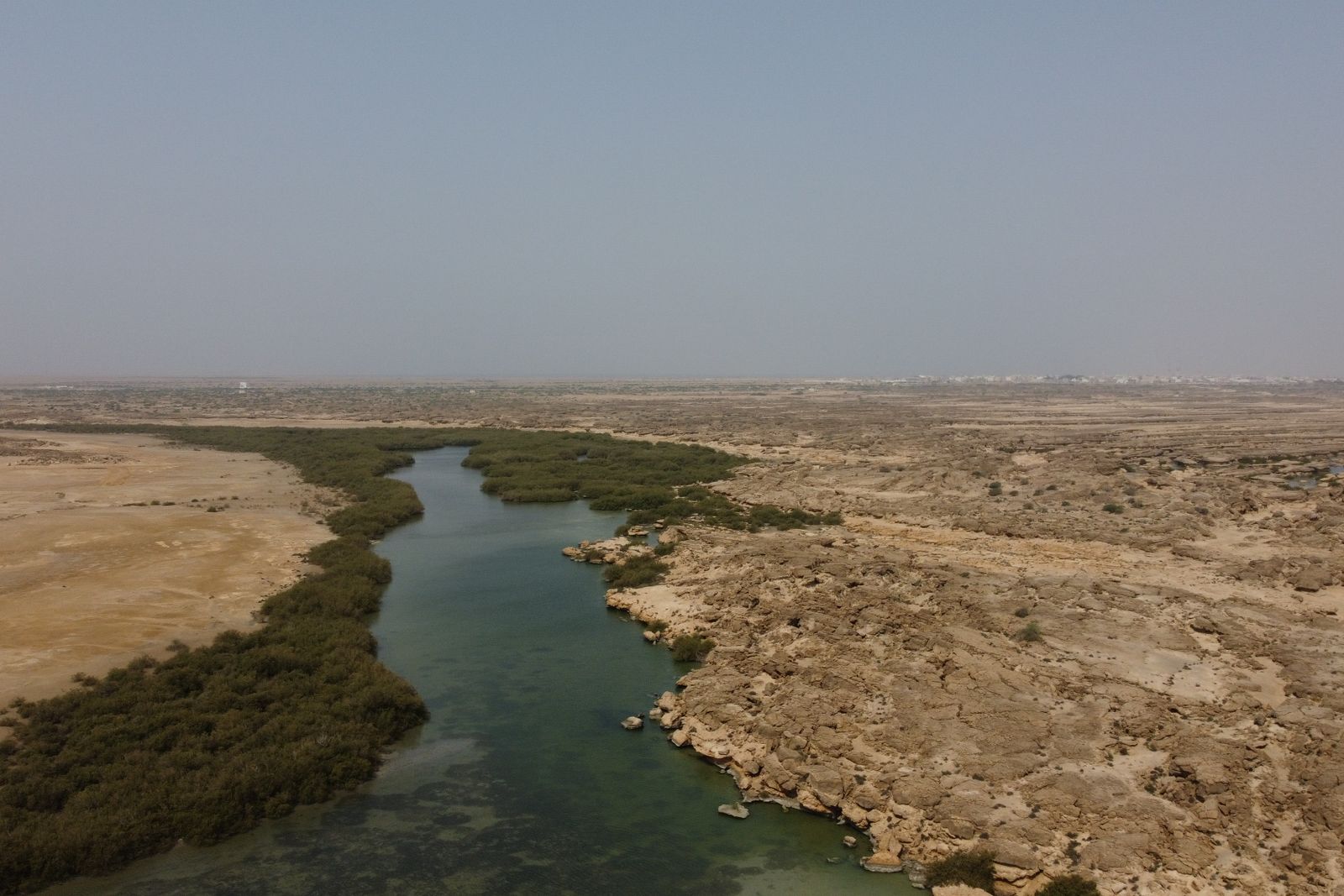 Destinations
The Red Sea 5-Day Island and Lagoon Itinerary (2026): Sheybarah, Nujuma and Desert Rock Rotation
A five-day Red Sea Project itinerary built on the Sheybarah Island flagship-orb anchor, the Nujuma Ritz-Carlton Reserve overwater-rotation, the Desert Rock in-cliff-canyon mountain-anchor, and the in-archipelago coral-reef dive-and-snorkel programme — with named hotels, real seaplane-and-speedboat transfers and in-resort programmes.
May 20, 2026 · 14 min read
Also in Saudi Arabia
 Hotels
The 5 Best Luxury Hotels in AlUla, 2026: An Editor's Guide
The definitive 2026 AlUla luxury guide. We tested five top resorts from the Ashar Valley to the Old Town to find the best in desert architecture.
May 14, 2026 · 15 min read
HotelsBest Luxury Hotels in Saudi Arabia 2026
We tested Saudi Arabia's luxury hotels in 2026 across five regions, from Red Sea wellness resorts to Riyadh's design-forward towers.
May 14, 2026 · 8 min
HotelsThe 5 Best Luxury Hotels in Riyadh for 2026
The Ritz-Carlton's palace grounds, the new Mandarin Oriental Al Faisaliah, and the Diriyah-adjacent boutiques — five properties tested during Saudi Arabia's tourism opening.
May 14, 2026 · 13 min read
Sources
- Numbeo cost-of-living — The Red Sea — verified 2026-05-13
- climate-data.org — The Red Sea — verified 2026-05-13
Last updated 2026-05-14 by The Lucalvry Edit.