

The Lucalvry view
Baa Atoll is the UNESCO biosphere reserve — Hanifaru Bay during manta-ray season (May–November) is one of the most extraordinary marine spectacles on earth, and the resort concentration (Soneva Fushi, Four Seasons Landaa Giraavaru, Anantara Kihavah) is the most serious in the Maldives.
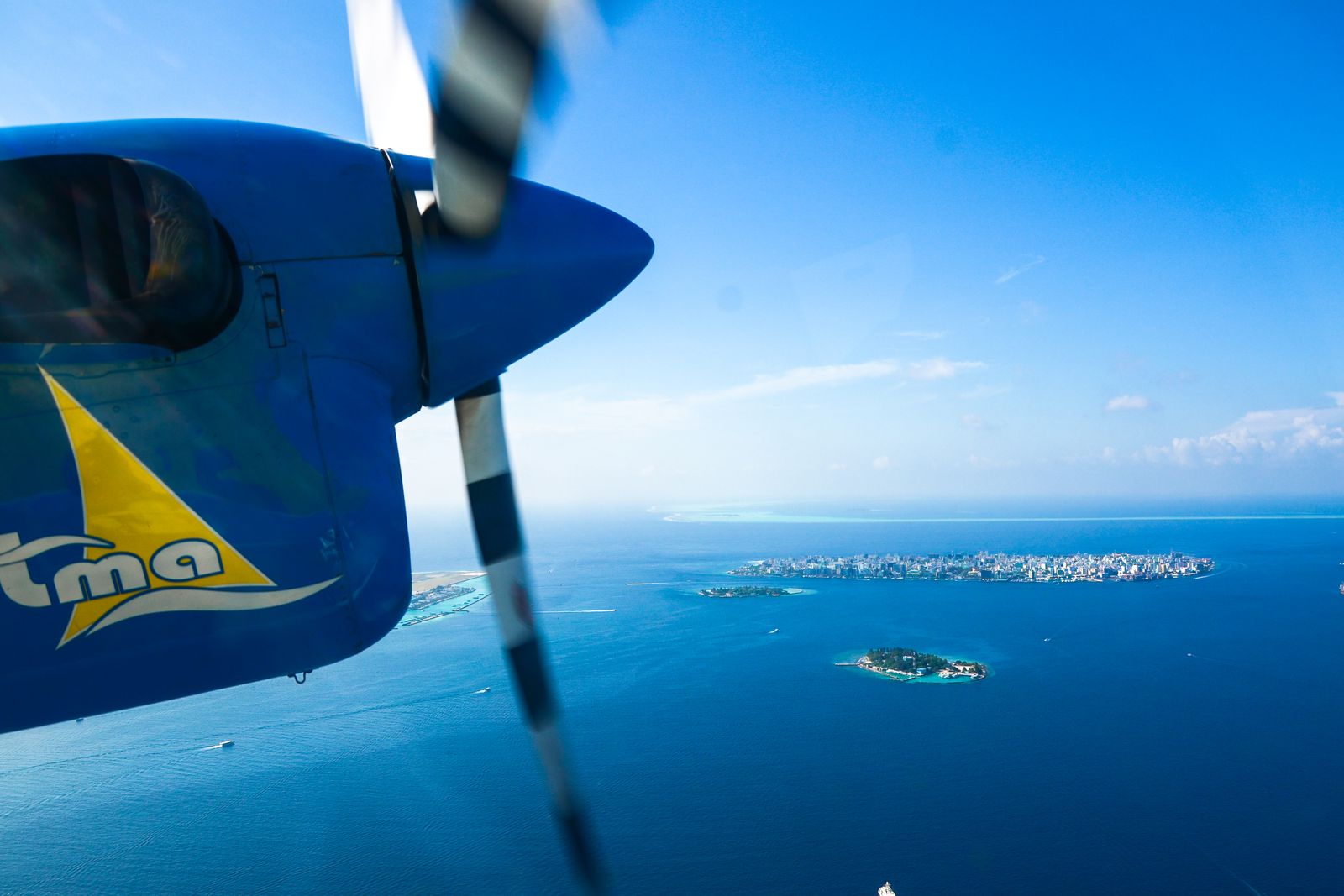
Seaplane access only — daylight transfers, 30–45 minutes from MLE.
Baa Atoll is the most ecologically significant of the Maldivian atolls — UNESCO Biosphere Reserve since 2011, the only such designation in the country, and the home of the famous Hanifaru Bay manta-ray and whale-shark feeding aggregation that runs from June through November and routinely brings 100+ mantas into a single 1.3 km² lagoon at peak feeding events. The atoll sits 35 minutes by seaplane northwest of Malé (or 4 hours by speedboat — most resorts run seaplane only) and is the right choice for travellers who prioritise marine life and environmental seriousness over pure resort polish.
The luxury cluster is concentrated and editorial. Soneva Fushi is the founding sustainability-luxury reference in the Maldives — Sonu Shivdasani's pioneering 1995 property, barefoot luxury before the term was monetised, with serious sustainability programs (no imported bottled water, glass-blowing studio recycling beach plastic, the Soneva Foundation's coral and turtle conservation work), the famous outdoor cinema and tree-house observatory, and the most credible luxury-eco proposition in the country. Four Seasons Landaa Giraavaru (the second FS Maldives property, with the Marine Discovery Centre and the country's most respected manta and turtle research operation), Anantara Kihavah (the underwater wine cellar dining room is genuine, not gimmicky), and the Vakkaru Maldives all operate at the same flagship tier.
The Hanifaru Bay protocol is the variable that defines a Baa Atoll trip. The bay is a strictly protected MPA — only snorkelling allowed (no diving, no kicking fins, no touching), maximum 80 visitors at a time on rotating 45-minute slots, advance permits required (organised through the resort, not bookable individually), and the actual feeding events depend on tide-and-plankton conditions that cannot be guaranteed even in peak season. A guided Hanifaru excursion via the resort's marine biologist is €120–250 per person depending on the resort and the boat. June through November is the manta peak with August and September the most reliable; outside that window the bay is quiet and other reefs become the focus.
The sustainability-and-conservation framing is what separates Baa Atoll from the wider Maldives. Soneva Fushi's no-cars rule, the marine research labs at Landaa Giraavaru and Soneva, the on-property organic gardens and zero-waste programs are genuinely operational rather than greenwashing — visitors who care about the environmental story will find the most credible operations in the country here. Season is the standard Maldives arc — November through April is the dry-clear peak season, May through October is the wet-warm window with the manta peak overlapping the wet shoulder months.
Baa Atoll's headline experience is the Hanifaru Bay manta and whale shark aggregation — a UNESCO Biosphere Reserve site where the world's largest concentration of reef manta rays and the occasional whale shark gather to feed during the southwest monsoon (roughly June through November, peaking August–October). Access is regulated: only licensed snorkel boats, no scuba, 80-snorkeller cap inside the bay at any moment, USD 20 per visitor permit. Every Baa resort runs the Hanifaru excursion; the closest properties (Soneva Fushi, Anantara Kihavah, Four Seasons Landaa Giraavaru) reach the bay in 15–20 minutes by boat — the further-out resorts (Coco Palm Dhuni Kolhu) need 60+ minutes. Book the trip on day one of the stay so you have weather-window flexibility; the bay closes when conditions don't deliver the planktonic upwelling that draws the mantas.
Neighborhoods
Where to base yourself
Baa Atoll
Stay hereUNESCO biosphere — manta-ray waters, the most serious resort concentration.
Hotels
Where to stay
- $$$$
Soneva Fushi
The original barefoot-luxury Maldives resort — sand-floor restaurants, the observatory, the chocolate room.
- $$$$
Four Seasons Landaa Giraavaru
44-hectare island with the marine research centre — the family top choice.
- $$$$
Anantara Kihavah
Underwater restaurant (Sea), wine cellar, the romantic-couples top choice.
- $$$$
Vakkaru Maldives
Newer (2018) island; quieter, less spread out.
Dining
Where to eat
- $$$$
All resort dining
Soneva's sand-floor restaurants and ice-cream parlour are the destination meals; Anantara Kihavah's underwater Sea restaurant is the special-occasion booking.
An ideal day
What to do
- Morning
Manta snorkel at Hanifaru Bay (May–November only, regulated entries).
- Late morning
House reef snorkel from the villa.
- Afternoon
Spa or marine research centre tour (Four Seasons).
- Late afternoon
Sandbank picnic or sunset dolphin cruise.
- Evening
Beach dinner; Soneva's stargazing observatory if you're staying there.
Logistics
Getting around
Seaplane only — daylight hours, 30–45 minutes from MLE airport. Within atoll: resort dhoni or speedboat for excursions. Once at resort, mostly walking and bicycle.
Cost snapshot
What things cost in Baa Atoll
- Espresso
- $6.00
- Dinner for two
- $140
- Taxi (5 km)
- $15
- 4★ hotel/night
- $650
Numbeo medians, mid-week shoulder season. Verified 2026-05-13.
Best time to visit
Twelve months in Baa Atoll
| Month | Avg high | Rain days | Crowds | Prices |
|---|---|---|---|---|
| Jan | 30°C | 5 | ●●●●● | ●●●●● |
| Feb | 31°C | 3 | ●●●●● | ●●●●● |
| Mar | 31°C | 5 | ●●●●● | ●●●●● |
| Apr | 31°C | 9 | ●●●●● | ●●●●● |
| May | 31°C | 15 | ●●●●● | ●●●●● |
| Jun | 30°C | 15 | ●●●●● | ●●●●● |
| Jul | 30°C | 13 | ●●●●● | ●●●●● |
| Aug | 30°C | 15 | ●●●●● | ●●●●● |
| Sep | 30°C | 15 | ●●●●● | ●●●●● |
| Oct | 30°C | 17 | ●●●●● | ●●●●● |
| Nov | 30°C | 11 | ●●●●● | ●●●●● |
| Dec | 30°C | 9 | ●●●●● | ●●●●● |
FAQ
Common questions about Baa Atoll
- When for mantas?
- Hanifaru Bay manta-ray and whale-shark aggregations are May–November, peaking June–October. This overlaps with wet season — bring rain plans, accept some weather.
- Soneva or Four Seasons?
- Soneva for the barefoot-luxury aesthetic and the no-shoes culture; Four Seasons for the polished family-resort experience and the marine research programme. Both are serious, different vibes.
- Is Baa worth the seaplane?
- Yes — the marine biodiversity is materially better than North Malé, and the resorts have more space and quiet. The seaplane itself is part of the experience.
- When is the best time to visit Baa Atoll?
- Jan, Apr. The Maldives year has its own rhythm — november–april.
- Which neighbourhood should I stay in in Baa Atoll?
- Baa Atoll — unesco biosphere — manta-ray waters, the most serious resort concentration.. It puts you within walking distance of most of the editorial picks.
- Which hotels do you recommend in Baa Atoll?
- Soneva Fushi, Four Seasons Landaa Giraavaru, Anantara Kihavah, among others. Each is on the page above with a current rate band and the room category that makes the upgrade worth it.
- Where should I eat in Baa Atoll?
- Editorial-grade picks include All resort dining. Book the higher-end rooms three to four weeks ahead, especially in shoulder season.
- How do you get around Baa Atoll?
- Seaplane only — daylight hours, 30–45 minutes from MLE airport. Within atoll: resort dhoni or speedboat for excursions.
From the edit
Guides & stays in Baa Atoll
Also in Maldives
 Hotels
Inside the Maldives: The Best Luxury Hotels for 2026
Discover the best luxury hotels in the Maldives for 2026. From Soneva Jani to the Fari Islands, we rank the top resorts based on real, paid stays.
May 14, 2026 · 14 min read
 Hotels
Best Luxury Resorts in North Malé Atoll 2026: Six Speedboat-Transfer Stays Tested
Six North Malé resorts we paid to test in 2026 — the design-forward speedboat-transfer flagships, the contemporary overwater properties, and the smartest sub-USD 1,800 sleepers in the Maldives' most accessible atoll.
May 14, 2026 · 11 min read
HotelsBest Luxury Resorts in Raa Atoll 2026: Five Quiet-Atoll Stays Tested
Five Raa Atoll resorts we paid to test in 2026 — the contemporary flagships in the Maldives' quietest serious-luxury atoll, the design-forward overwater properties, and the smartest sub-USD 1,600 sleepers.
May 14, 2026 · 11 min read
Sources
- Numbeo cost-of-living — Baa Atoll — verified 2026-05-13
- climate-data.org — Baa Atoll — verified 2026-05-13
Last updated 2026-05-13 by The Lucalvry Edit.