

Tasmania
Wilderness lodges, MONA, and oysters straight from the boat.
The Lucalvry view
Tasmania is Australia's wilderness-and-art island — the size of Ireland, with a million people, MONA on the waterfront in Hobart, and a lodge product (Saffire Freycinet, Pumphouse Point, the new Thousand Lakes pods) that punches above any other Australian region. The right trip pairs three Hobart nights — for MONA, the Salamanca markets, and a day in the Tasman Peninsula — with three or four nights at a single wilderness lodge.
The food story is the under-rated layer: Bruny Island oysters straight off the lease, Cape Grim beef, Pinot Noir from the Tamar Valley, and the cool-climate cheese culture that started at Pyengana. November and March are the editor's months — the weather settles, the lavender at Bridestowe blooms (December), and the lodges have full availability without the holiday-week surge.
Neighborhoods
Where to base yourself
Hobart waterfront & Salamanca
Stay hereThe cultural anchor — MAC01, the MONA ferry terminal, Salamanca Place's Saturday market, and the Henry Jones Art Hotel converted from old jam factories.
Battery Point
The historic peninsula above Salamanca — sandstone cottages, Jackman & McRoss bakery, and the city's best harbour-view walks.
Freycinet Peninsula
Three hours east of Hobart — Saffire Freycinet, Wineglass Bay, and the Freycinet Marine Farm oyster experience. The east-coast lodge base.
Cradle Mountain & the West Coast
Wilderness World Heritage country — Cradle Mountain Lodge, Pumphouse Point on Lake St Clair, and the Overland Track's southern end.
Hotels
Where to stay
- $$$$
Saffire Freycinet
20 suites on a Wineglass Bay ridge with Tasmania's most ambitious all-inclusive — oyster farm, scallop dive, the works.
- $$$
MACq 01, Hobart
Storytelling-themed waterfront hotel built directly above the harbour — the harbour-view rooms are worth the upgrade.
- $$$
Henry Jones Art Hotel, Hobart
Australia's first dedicated art hotel — converted IXL jam factory, 56 rooms, original works in every corridor.
- $$$$
Pumphouse Point, Lake St Clair
An Art Deco hydroelectric pumphouse on a glacier-carved lake — 18 rooms, no TVs, the country's most atmospheric remote stay.
- $$$
The Tasman, A Luxury Collection Hotel
Marriott's 2021 opening in the old Parliament Square — the most polished new luxury room in central Hobart.
Dining
Where to eat
- $$$
Franklin, Hobart
Wood-fired Tasmanian produce at one of the country's most-cited regional restaurants — book the chef's counter.
Templo, Hobart
20-seat North Hobart neighbourhood restaurant — Italian-leaning, daily-changing, the locals' answer to fine dining.
- $$
Freycinet Marine Farm
Oysters, mussels, and abalone shucked at the lease — A$30 dozen, picnic tables, the original east-coast food stop.
- $$$
Stillwater, Launceston
Tamar River dining institution — the case for the Launceston detour if you're routing through the north.
An ideal day
What to do
- Morning
MONA — book the morning ferry from Brooke Street Pier, allow four hours, and don't skip the Pharos wing.
- Lunch
Return ferry to Salamanca, lunch at the Saturday market (or Templo if it's a weekday) — the produce-stall round is the city's social heart.
- Afternoon
Tasman Peninsula day — the Three Capes lookout, Port Arthur historic site, and a 90-minute Tasman Island cruise for the dolerite cliffs.
- Late afternoon
Drive the east coast to Freycinet — three hours, Coles Bay arrival in time for a Wineglass Bay sundowner from the Saffire deck.
- Evening
Dinner on the Saffire deck or the local pick — Geographe at Coles Bay if you're staying in town.
Logistics
Getting around
Tasmania is a self-drive island — the road network is light-traffic and well-maintained, and the headline experiences (Freycinet, Cradle Mountain, Bruny Island) are between 90 minutes and four hours from Hobart. Pick up a rental at Hobart Airport (HBA) on arrival; Avis, Hertz, and the local AutoRent are reliable. Internal flights connect Hobart and Launceston (50 minutes, Qantas/Virgin) when you want to add a Tamar Valley wine leg without driving the full 200 km. Skip the campervan rentals unless your trip is genuinely about the road; the lodges are the point.
Cost snapshot
What things cost in Tasmania
- Espresso
- $4.00
- Dinner for two
- $75
- Taxi (5 km)
- $13
- 4★ hotel/night
- $230
Numbeo medians, mid-week shoulder season. Verified 2026-05-13.
Best time to visit
Twelve months in Tasmania
| Month | Avg high | Rain days | Crowds | Prices |
|---|---|---|---|---|
| Jan | 22°C | 8 | ●●●●● | ●●●●● |
| Feb | 22°C | 7 | ●●●●● | ●●●●● |
| Mar | 20°C | 8 | ●●●●● | ●●●●● |
| Apr | 17°C | 9 | ●●●●● | ●●●●● |
| May | 14°C | 10 | ●●●●● | ●●●●● |
| Jun | 12°C | 10 | ●●●●● | ●●●●● |
| Jul | 11°C | 11 | ●●●●● | ●●●●● |
| Aug | 13°C | 11 | ●●●●● | ●●●●● |
| Sep | 15°C | 10 | ●●●●● | ●●●●● |
| Oct | 17°C | 10 | ●●●●● | ●●●●● |
| Nov | 19°C | 9 | ●●●●● | ●●●●● |
| Dec | 21°C | 9 | ●●●●● | ●●●●● |
FAQ
Common questions about Tasmania
- How many days do I need in Tasmania?
- Six to seven nights is the working minimum for a city-plus-wilderness trip — three Hobart nights for MONA, the Tasman Peninsula, and the dining scene, plus three or four nights at a Freycinet or Cradle Mountain lodge. Ten nights lets you add the Bruny Island and Tamar Valley legs without rushing.
- Best time to visit Tasmania?
- November to April is the working window. December through February is peak (warmest, busiest, the lavender bloom), and the editor's months are November and March — settled weather, full lodge availability, and meaningfully kinder rates than the Christmas–January peak. May to October is genuinely cold and wet outside ski-trip exceptions.
- Hobart or Launceston?
- Hobart, decisively, for first-timers — MONA, the harbour, the dining scene, and the Tasman Peninsula are all here. Launceston is a worthwhile second-leg add-on for the Tamar Valley vineyards and the Cradle Mountain access, not a standalone base.
- Is MONA worth it?
- Yes — even for skeptics. David Walsh's underground museum is structurally and curatorially unlike any other institution in the southern hemisphere. Allow four hours minimum, book the ferry from Brooke Street Pier (A$28 return, 25 minutes), and skip the audio guide — the iPod-based 'O' device is included and works better.
- Can you see wildlife in Tasmania?
- Yes, and easily — wallabies and pademelons at dusk on Freycinet lawns, Tasmanian devils at Bonorong (the wildlife sanctuary 30 minutes from Hobart), and the rare platypus on the Cradle Mountain creek walks at dawn. The animals are habitualised at the lodges; bring a torch and stay still.
From the edit
Guides & stays in Tasmania
 Hotels
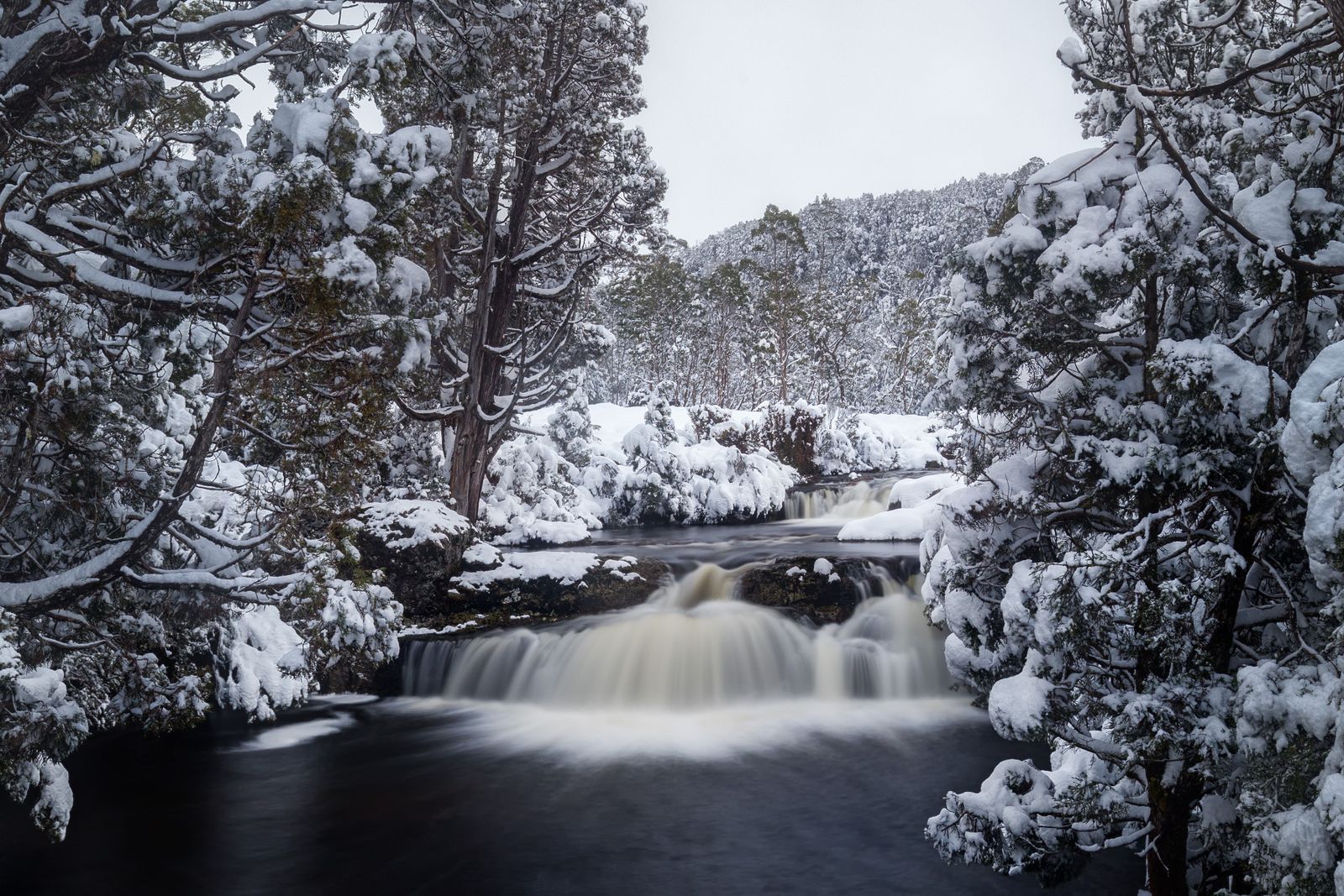
The 6 Best Luxury Lodges and Hotels in Tasmania for 2026
Saffire Freycinet, Pumphouse Point, MONA's Pavilions, and the design-led Hobart hotels — six properties tested across a paid two-week tour of the island.
May 14, 2026 · 13 min read
 Destinations
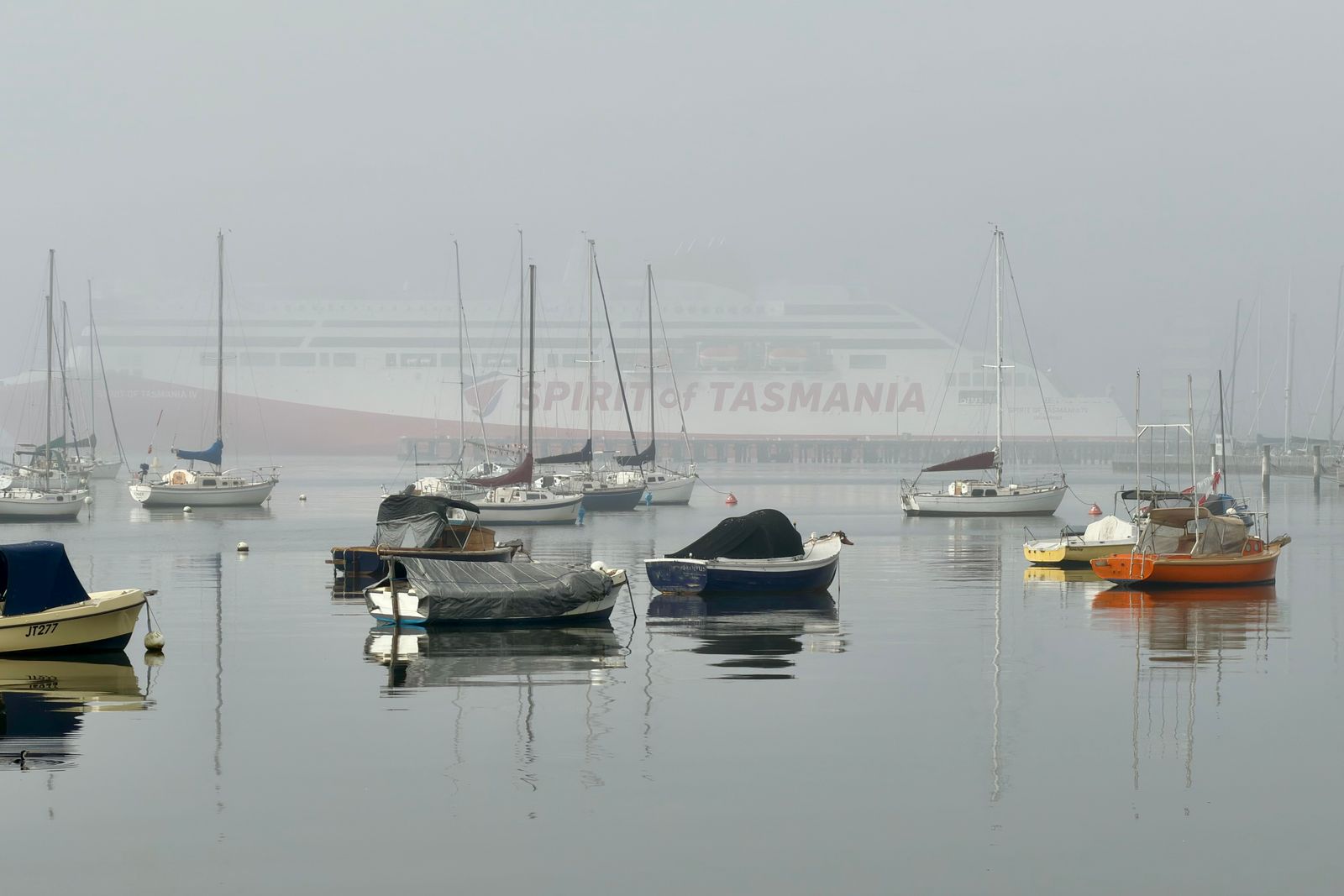
Where to Stay in Tasmania (2026): Hobart, Cradle Mountain, Freycinet
The three Tasmania bases — Hobart for MONA and the Salamanca dinner, Cradle Mountain for the wilderness lodge week, Freycinet for the Wineglass Bay coast — with rate bands, the drive times between, and the named lodges we book.
May 16, 2026 · 14 min read
 Destinations
Tasmania in Six Days: The Hobart, Cradle and Freycinet Circuit (2026)
A six-day Tasmania drive — two Hobart nights for MONA and Salamanca, two Cradle Mountain nights for the Dove Lake circuit, two Freycinet nights for Wineglass Bay — with the drive times, the lunch towns, and the lodge reservations.
May 16, 2026 · 17 min read
Also in Australia
 Hotels
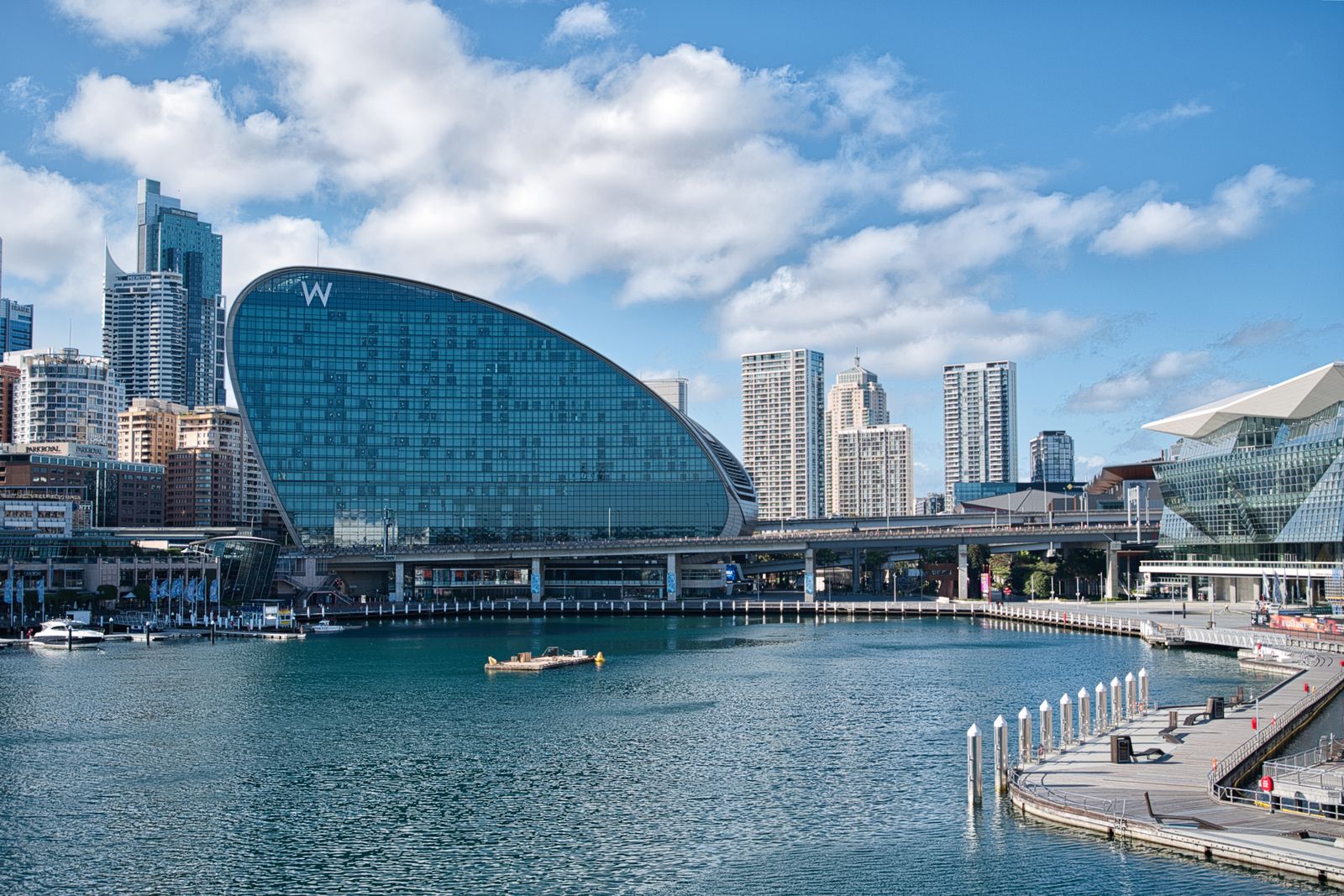
The Best Luxury Hotels in Sydney 2026
Discover Sydney's best luxury hotels for 2026. From Capella's heritage grandeur to Crown's harbour views, we rank the top stays after real-world testing.
May 14, 2026 · 12 min read
HotelsBest Luxury Hotels in Australia 2026
Australia's finest luxury hotels in 2026, from Sydney harbourside icons to Tasmanian wilderness lodges—tested stays across five regions.
May 14, 2026 · 8 min
HotelsThe 6 Best Luxury Resorts on the Great Barrier Reef for 2026
Lizard, Hayman, Orpheus, and the under-marketed reef lodges — six island resorts tested across a paid two-week reef tour.
May 14, 2026 · 14 min read
Sources
- Numbeo cost-of-living — Tasmania — verified 2026-05-13
- climate-data.org — Tasmania — verified 2026-05-13
Last updated 2026-05-14 by The Lucalvry Edit.