

The Lucalvry view
Osaka is Japan's food capital and its sharpest second city — louder than Kyoto, less polished than Tokyo, and the place that has done the most interesting work in the last decade redefining a casual luxury hotel. Three-star kaiseki sits next to grilled offal counters; the dotonbori neon is real and worth half an evening, but the neighbourhoods either side (Kitashinchi, Shinsaibashi, Tenma) are where the city actually eats.
A two-night Osaka stop pairs cleanly with a Kyoto base — 14 minutes by Shinkansen between the two.
Osaka is Japan's commercial-and-comedy capital — louder, more direct, more food-centric than Tokyo, and the home base for Kansai's tasting-menu and counter-cooking culture. The city's nickname (tenka no daidokoro, 'the nation's kitchen') is genuinely earned: the Michelin-star density per capita is the highest in Japan, the kushikatsu and okonomiyaki traditions originated here, and the Dotonbori canal-side neon is the most photographed urban food strip in Asia. The hotel scene has caught up — the Conrad Osaka in the Festival City tower, the St Regis Osaka in Honmachi, the Ritz-Carlton Osaka, and the recent Waldorf Astoria Osaka opening (2025) all sit at the international-flagship tier; the boutique Hotel The Mitsui Osaka and the Hilton Osaka run a mid-luxury layer.
The geography organises around the Yodogawa River, which splits the city into Kita ('north') around Osaka Station and Umeda — the business and shopping anchor — and Minami ('south') around Shinsaibashi and Namba — the dining, nightlife and street-food belt. Both are walking-distance to the central Osaka Castle. Use the Osaka Loop Line (JR) for cross-town transit and the Midosuji subway line for the Kita-Minami axis.
Kansai's food culture is the genuine reason to stay. Counter sushi (Sushi Sho Honten, Hozenji Yakko, Endo Sushi at the Tsukiji-equivalent fish market), the kushikatsu (deep-fried skewered everything) at Daruma in Shinsekai, okonomiyaki (savoury cabbage pancake) at Mizuno in Dotonbori, and the takoyaki (octopus balls) at the Kogaryu street counter are the local must-eat round. For a serious dinner: the three-Michelin-starred Kashiwaya (kaiseki, requires hotel-concierge introduction); the two-starred Hajime (modern Japanese-French, 90 days advance via Pocket Concierge); or the Fujiya 1935 (the oldest 3-star in Japan, also kaiseki-led).
The day-trip geography is what makes Osaka the smarter Kansai base. Kyoto is 14 minutes by Shinkansen; Nara (the deer park, Todai-ji's giant Buddha) is 35 minutes; Kobe is 12 minutes; the Koyasan mountain monastery (overnight in a working temple) is 90 minutes. Most international visitors split a Kansai week as 3 nights Kyoto + 2 nights Osaka; the better arithmetic is 4 nights Osaka + 2 days in Kyoto, since the Osaka hotel and dining tier outpaces what Kyoto offers at the same price.
Season follows Japan's standard arc. Late March through early April is the cherry-blossom peak (book a year out); November is the autumn-foliage window. May, June, October are forgiving shoulders. Mid-July through August is hot-humid (35°C+, 80% humidity). December through February is cold-clear and the cheapest window — the city remains fully open.
Neighborhoods
Where to base yourself
Umeda / Kita
Stay hereNorthern business and shopping district; the right hotel base.
Namba / Dotonbori
Neon canal, street food, the loud postcard.
Kitashinchi
Stay hereDiscreet evening district; the city's most serious dining grid.
Tenma
Working-class north, Japan's longest covered shopping arcade, izakaya density.
Hotels
Where to stay
- $$$$
Conrad Osaka
40th-floor city panorama in Umeda; the right business address.
The St. Regis Osaka
Honmachi business-district elegance; great butler service, central.
- $$$
Zentis Osaka
Tara Bernerd-designed boutique on the river — the new wave city hotel.
- $$$$
Hoshinoya Osaka
The 2024 opening — water-side ryokan format inside a city tower.
Dining
Where to eat
- $$$$
La Cime
Yusuke Takada's two-star French-Japanese counter in Honmachi.
- $$$$
Hajime
Hajime Yoneda's three-star tasting room — the Osaka reference for fine dining.
- $$
Mizuno
Okonomiyaki specialist in Dotonbori since 1945 — the form done properly.
- $$
Endo Sushi
Lunchtime market sushi (Osaka Central Market) — five nigiri, one bowl, walk-in only.
An ideal day
What to do
- Morning
Osaka Castle gardens at opening; espresso at the moat-side café.
- Late morning
Osaka Central Market for sushi-counter lunch and a walk through the wholesalers.
- Afternoon
Dotonbori canal walk — go for the neon, eat takoyaki standing up, leave before sunset.
- Late afternoon
Whisky at Bar Rogin or Bar K6; Kitashinchi pre-dinner crawl.
- Evening
Counter dinner — La Cime, Hajime, or a serious yakiniku room — booked weeks ahead.
Logistics
Getting around
Osaka Metro is dense, cheap and English-signed; the Yodoyabashi–Umeda line handles the central spine. The Shinkansen from Tokyo is 2h30; from Kyoto 14 minutes; from Hiroshima 90 minutes. The Haruka Express to Kansai Airport is 50 minutes. Walk Namba and Kitashinchi; subway everywhere else.
Cost snapshot
What things cost in Osaka
- Espresso
- $3.00
- Dinner for two
- $50
- Taxi (5 km)
- $11
- 4★ hotel/night
- $210
Numbeo medians, mid-week shoulder season. Verified 2026-05-13.
Best time to visit
Twelve months in Osaka
| Month | Avg high | Rain days | Crowds | Prices |
|---|---|---|---|---|
| Jan | 10°C | 6 | ●●●●● | ●●●●● |
| Feb | 10°C | 7 | ●●●●● | ●●●●● |
| Mar | 14°C | 10 | ●●●●● | ●●●●● |
| Apr | 20°C | 10 | ●●●●● | ●●●●● |
| May | 25°C | 10 | ●●●●● | ●●●●● |
| Jun | 28°C | 12 | ●●●●● | ●●●●● |
| Jul | 32°C | 12 | ●●●●● | ●●●●● |
| Aug | 33°C | 9 | ●●●●● | ●●●●● |
| Sep | 29°C | 12 | ●●●●● | ●●●●● |
| Oct | 23°C | 9 | ●●●●● | ●●●●● |
| Nov | 17°C | 7 | ●●●●● | ●●●●● |
| Dec | 12°C | 5 | ●●●●● | ●●●●● |
FAQ
Common questions about Osaka
- Is Osaka worth a separate stay or just a day trip from Kyoto?
- If food is the priority, stay one or two nights — the dining scene rewards an evening stretch you can't get from a day trip. If you're already pressed for time, treat Osaka as an evening visit and Shinkansen back to Kyoto by 11pm.
- How do Osaka's restaurants compare to Tokyo's?
- Less famous internationally, often as good or better at the casual end. Three-star tasting menus are more accessible (shorter waitlists) than equivalents in Tokyo, and the okonomiyaki, kushikatsu and yakiniku scenes are arguably the country's best.
- Is the Universal Studios trip worth it?
- Only if you have children or are a serious Nintendo fan — Super Nintendo World is genuinely impressive. Otherwise, skip; the city has more interesting things to do.
- When is the best time to visit Osaka?
- Apr, Oct. The Japan year has its own rhythm — march–may, october–november.
- Which neighbourhood should I stay in in Osaka?
- Umeda / Kita — northern business and shopping district; the right hotel base.. It puts you within walking distance of most of the editorial picks.
- Which hotels do you recommend in Osaka?
- Conrad Osaka, The St. Regis Osaka, Zentis Osaka, among others. Each is on the page above with a current rate band and the room category that makes the upgrade worth it.
- Where should I eat in Osaka?
- Editorial-grade picks include La Cime, Hajime, Mizuno. Book the higher-end rooms three to four weeks ahead, especially in shoulder season.
- How do you get around Osaka?
- Osaka Metro is dense, cheap and English-signed; the Yodoyabashi–Umeda line handles the central spine. The Shinkansen from Tokyo is 2h30; from Kyoto 14 minutes; from Hiroshima 90 minutes.
From the edit
Guides & stays in Osaka
 Hotels
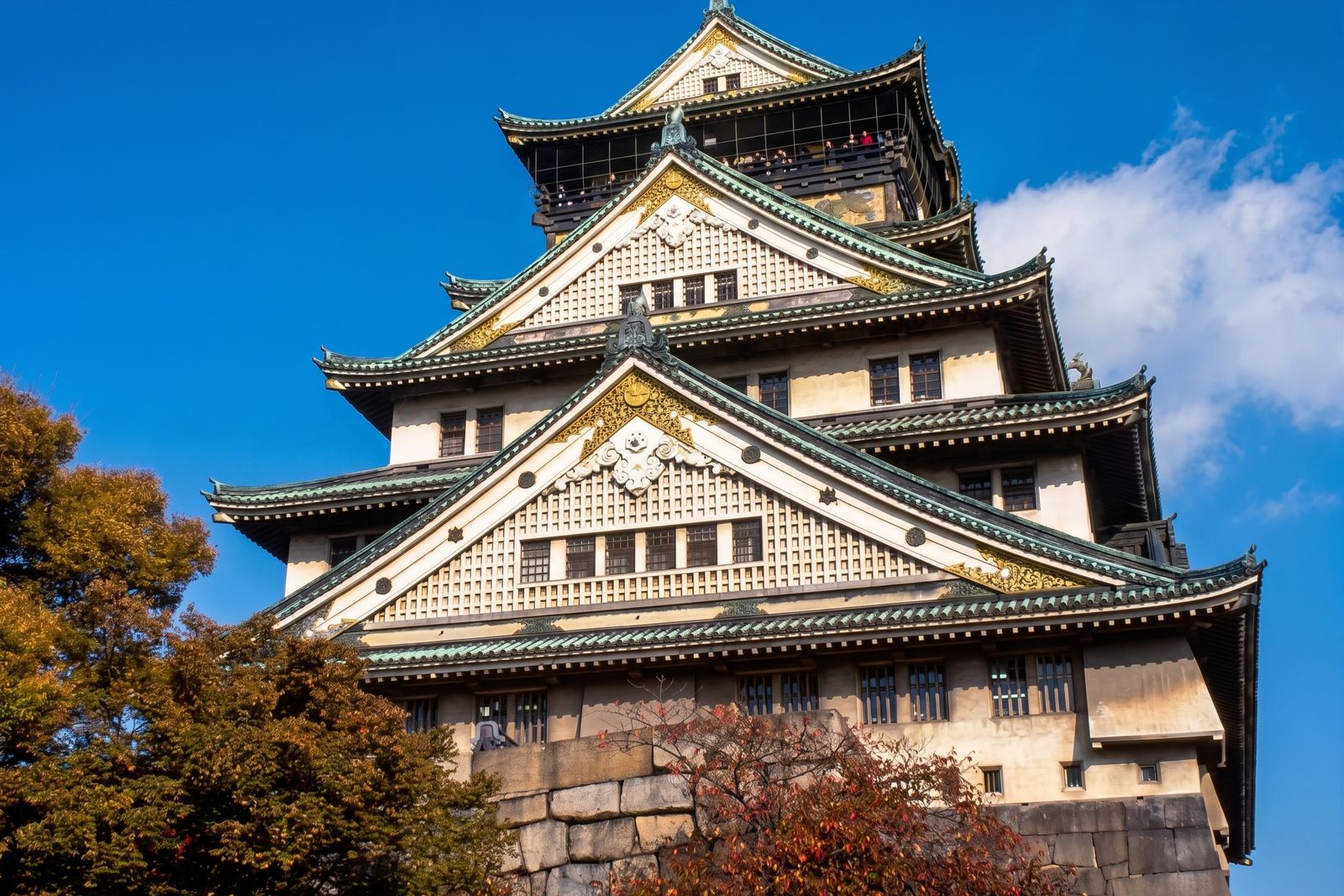
Best Luxury Hotels in Osaka 2026
Osaka's 2026 luxury landscape splits palace grandeur from design-first boutiques—we paid, stayed, and ranked seven hotels from ¥45,000 to ¥195,000 per night.
May 14, 2026 · 13 min read
 Destinations
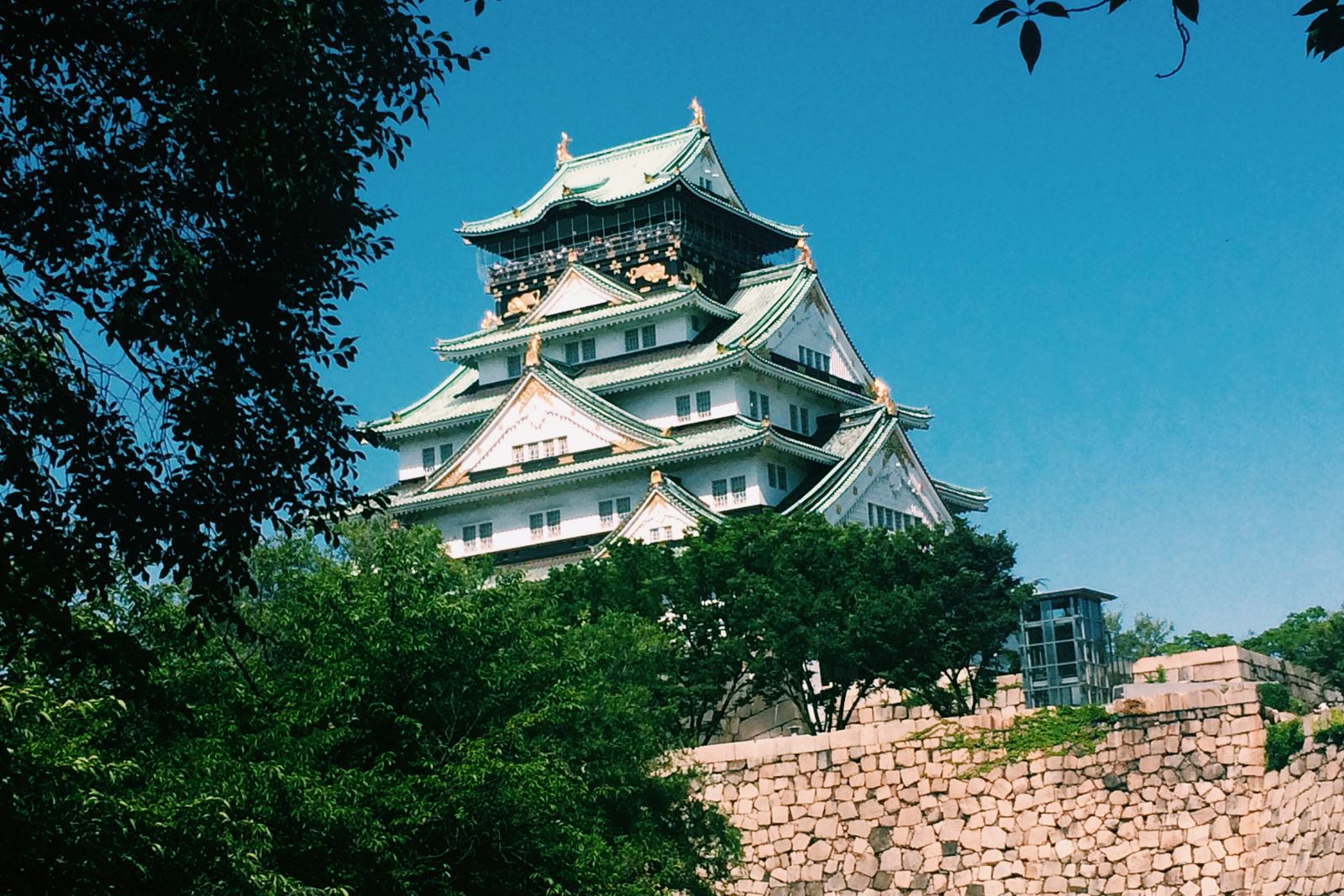
Where to Stay in Osaka: A Neighbourhood-by-Neighbourhood Guide (2026)
Five Osaka neighbourhoods worth basing yourself in — Umeda (Kita), Namba (Minami), Honmachi, Nakanoshima and the Bay — with the hotels, the dining, and the trade-offs that decide your week.
May 15, 2026 · 14 min read
 Destinations
Osaka in 3 Days: The Lucalvry Itinerary
An hour-by-hour itinerary for three days in Osaka — Dōtonbori at opening, the Kuromon market lunch, Osaka Castle, the Nakanoshima museum row, an evening of standing-bars, and a half-day in Nara.
May 15, 2026 · 13 min read
Also in Japan
 Destinations
The Quiet Kyoto Itinerary — Five Days, No Crowds (2026)
A five-day Kyoto plan structured entirely around avoiding the crowds — Fushimi Inari before 6am, the ryokan-versus-hotel question answered properly, and the kaiseki tradition explained for first-timers.
Jan 13, 2026 · 14 min read
 Hotels
The 6 Best Luxury Hotels in Tokyo Right Now (2026)
Six Tokyo addresses that genuinely earn the rate card — the Otemachi sky-lobby trio, the Bulgari opening that has redefined Marunouchi luxury, and the Aman that remains the most considered hotel in Asia.
May 13, 2026 · 14 min read
 Destinations
Where to Stay in Tokyo: A Neighbourhood-by-Neighbourhood Guide (2026)
The five Tokyo neighbourhoods worth basing yourself in — Marunouchi, Ginza, Roppongi/Azabudai, Shinjuku and Shibuya — with the hotels, restaurants and trade-offs that decide your week.
May 13, 2026 · 12 min read
Sources
- Numbeo cost-of-living — Osaka — verified 2026-05-13
- climate-data.org — Osaka — verified 2026-05-13
Last updated 2026-05-13 by The Lucalvry Edit.