

Masai Mara
The conservancies (Mara North, Olare Motorogi) over the reserve itself.
The Lucalvry view
The Masai Mara is the headline Kenyan safari and the part of the country every itinerary is built around. The single most important decision is conservancy versus reserve — the Mara National Reserve is the famous name and the most over-touristed piece of bush in East Africa, while the surrounding conservancies (Mara North, Olare Motorogi, Naboisho, Mara Triangle) run tighter vehicle limits, allow off-road driving, and deliver the same wildlife with a fraction of the traffic. Stay in a conservancy. The reserve is a day-trip from a conservancy camp, not the other way around.
Four nights is the working minimum for a Mara stay; three feels rushed once you account for the light-aircraft transfers at both ends. The peak season is July through October — the wildebeest migration is in residency, the river crossings happen in waves between late July and September, and the dry-season game viewing is at its absolute best. The editor's secret window is January through early March: the southern Mara fills with newborn antelope, predator activity surges, and rates run roughly 30% lower than the migration peak.
Neighborhoods
Where to base yourself
Mara North Conservancy
Stay here74,000 acres bordering the reserve to the north — Mara Plains, Saruni Mara, Kicheche Mara — strong general game year-round and the easiest conservancy to combine with reserve crossings.
Olare Motorogi Conservancy
35,000 acres directly north of the reserve — Mahali Mzuri, Kicheche Bush Camp — the gold standard for vehicle-density restrictions and Big Cat sightings.
Naboisho Conservancy
50,000 acres further north — Asilia's Naboisho Camp, Encounter Mara, Kicheche Valley — the conservancy with the most genuinely wild walking-safari terrain.
Mara Triangle (reserve)
The western third of the reserve, managed separately by the Mara Conservancy NGO — better-run and meaningfully quieter than the eastern reserve, with access to the Mara River crossings.
Hotels
Where to stay
- $$$$
Mara Plains Camp
Great Plains' Mara flagship — seven tents on a private 35,000-acre concession in Olare Motorogi.
- $$$$
Bateleur Camp by &Beyond
18 colonial-style tents on the western edge of the reserve, set against the Out of Africa scenery — the most cinematic stay in the Mara.
- $$$$
Sala's Camp, Sand River
The Safari Collection's seven-tent camp on the southern reserve boundary — first into the migration corridor each season.
- $$$$
Mahali Mzuri
Richard Branson's 12-tent camp in Olare Motorogi — sculptural design, exceptional Cat sightings, the editor's mid-five-star pick.
- $$$
Kicheche Mara Camp
Six classic-canvas tents in Mara North — owner-run, photographer-favoured, materially lower rates than the Great Plains and &Beyond benchmarks.
Dining
Where to eat
All meals at camp
Every conservancy camp is full-board — bush breakfasts after a dawn drive, picnic lunches in the field, three-course dinners around a communal table or in private. Dining is the camps.
Bush breakfast in the Mara
The post-dawn bush breakfast is the signature Mara meal — eggs, bacon, and Kenyan coffee laid out on safari trunks under an acacia.
Private bush dinner
Most camps will arrange a lantern-lit private dinner in the bush on request — the right call for a special occasion or honeymoon.
An ideal day
What to do
- Pre-dawn
Coffee in the tent, then a 6am game drive into the conservancy — the first two hours of light deliver the highest predator activity of the day.
- Mid-morning
Bush breakfast in the field, then continue the drive or transition to a guided walking safari with a Maasai tracker.
- Lunch
Return to camp for lunch and a siesta — the midday heat shuts down most game activity until 4pm.
- Late afternoon
Second game drive at 4pm, with a sundowner stop on a kopje as the light fades — the conservancies' off-road permission unlocks the best viewpoints.
- Evening
Camp dinner around a fire, then optional night drive (conservancy only — illegal in the reserve) for nocturnal hunters.
Logistics
Getting around
Mara camps are accessed by light aircraft only — SafariLink and AirKenya run scheduled flights from Wilson Airport (WIL) in Nairobi to a network of bush airstrips (Mara North, Ol Kiombo, Keekorok, Musiara, Serena). Flights are 45 minutes one way, weight-restricted to 15kg of soft-sided luggage, and weather-dependent. Within the conservancies, you don't drive yourself — game drives are conducted in open Land Cruisers with a guide and (often) a spotter, included in the camp rate. The drive between camps is nearly always a quick airstrip transfer rather than a road move.
Cost snapshot
What things cost in Masai Mara
- Espresso
- $4.00
- Dinner for two
- $80
- Taxi (5 km)
- $15
- 4★ hotel/night
- $650
Numbeo medians, mid-week shoulder season. Verified 2026-05-13.
Best time to visit
Twelve months in Masai Mara
| Month | Avg high | Rain days | Crowds | Prices |
|---|---|---|---|---|
| Jan | 28°C | 5 | ●●●●● | ●●●●● |
| Feb | 29°C | 5 | ●●●●● | ●●●●● |
| Mar | 28°C | 10 | ●●●●● | ●●●●● |
| Apr | 26°C | 14 | ●●●●● | ●●●●● |
| May | 25°C | 13 | ●●●●● | ●●●●● |
| Jun | 24°C | 6 | ●●●●● | ●●●●● |
| Jul | 24°C | 5 | ●●●●● | ●●●●● |
| Aug | 25°C | 5 | ●●●●● | ●●●●● |
| Sep | 26°C | 4 | ●●●●● | ●●●●● |
| Oct | 27°C | 8 | ●●●●● | ●●●●● |
| Nov | 26°C | 12 | ●●●●● | ●●●●● |
| Dec | 27°C | 9 | ●●●●● | ●●●●● |
FAQ
Common questions about Masai Mara
- Conservancy or reserve — does it really matter?
- Yes, decisively. The Mara National Reserve allows unrestricted vehicle entry, no off-road driving, no walking, and no night drives — and during peak migration, river crossings can attract 50+ vehicles per sighting. The conservancies cap vehicles at sightings (usually five), allow off-road, and enable walking and night drives. Pay the conservancy premium.
- When are the river crossings?
- Late July through early October, with August and September the highest probability. Crossings are unpredictable — the wildebeest gather, mass at the river bank, and may wait hours or days before the first one jumps. A four-night Mara stay in this window typically delivers at least one crossing if your guide is patient.
- Is the calving season worth it?
- Yes, increasingly so. Late January through early March in the southern Mara (and the Serengeti just over the border) sees the wildebeest birth roughly half a million calves in a three-week window. Predator activity is at its annual peak, the camps are at 30%+ lower rates, and the crowds are gone. The trade-off is lower overall game-density for non-migration species.
- How fit do I need to be?
- Not particularly — game drives are seated, walking safaris are at a tracker's pace and rarely exceed 5km. The light-aircraft transfers can be bumpy; if you're prone to motion sickness, take medication an hour before the flight. Altitude is mild (1,500m) and acclimatisation is not an issue.
- What about malaria and vaccinations?
- Antimalarials are recommended for the Mara — atovaquone-proguanil (Malarone) is the standard. Yellow-fever vaccination is required for entry into Kenya from a yellow-fever country. Talk to a travel clinic 4–6 weeks before departure; routine boosters (tetanus, hepatitis A, typhoid) are sensible.
From the edit
Guides & stays in Masai Mara
 Hotels
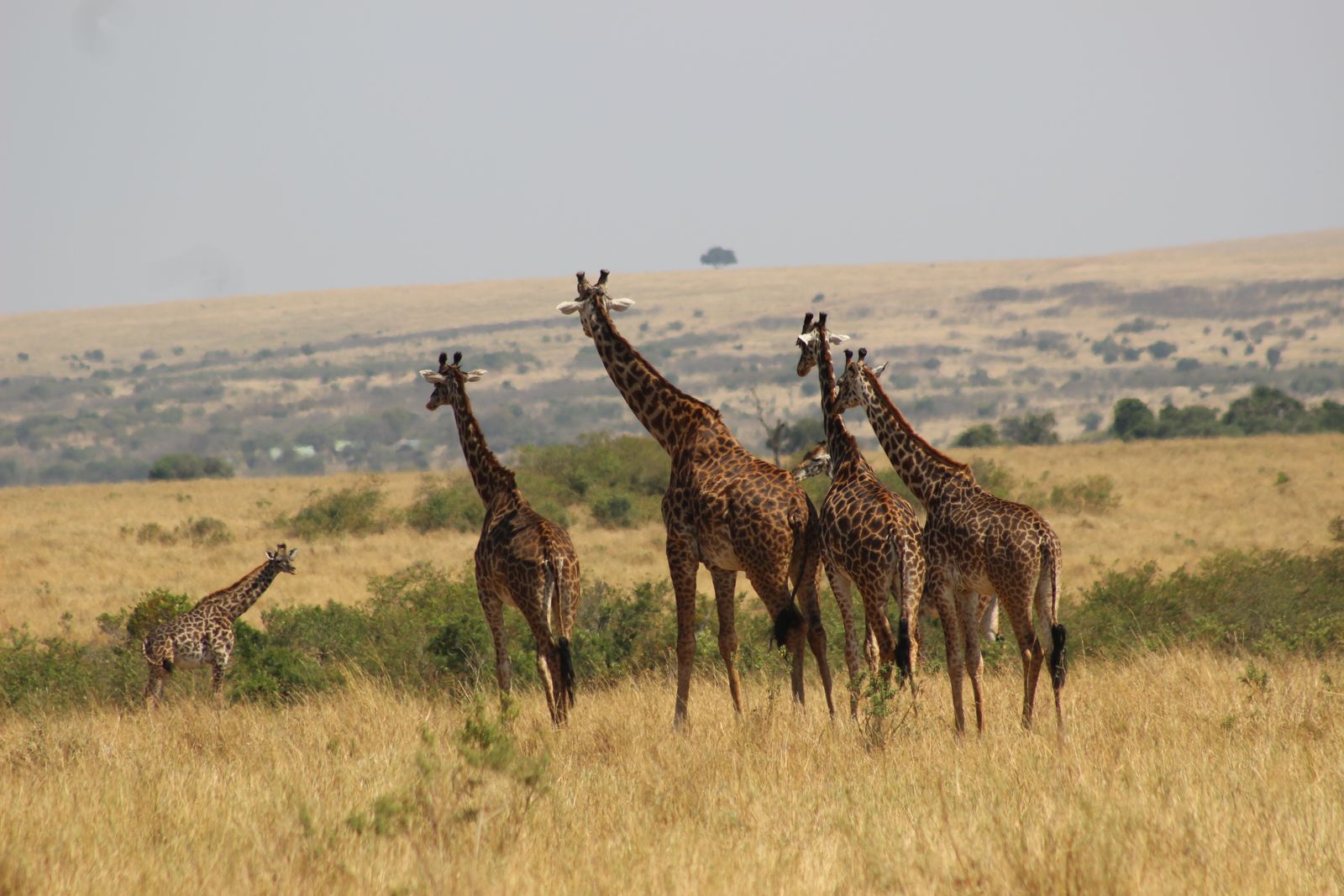
Best Luxury Camps in the Masai Mara 2026: Six Conservancy Stays Tested
Six Masai Mara camps we paid to test in 2026 — the conservancy flagships in Olare Motorogi and Mara North, the longstanding reserve classics, and the smartest sub-USD 1,400 sleepers.
May 14, 2026 · 12 min read
 Destinations
Where to Stay in the Masai Mara (2026): Conservancy vs Reserve, Triangle vs North
The Mara decision-shaped base guide — Olare Motorogi vs Mara North vs Naboisho on the conservancy side, Mara Triangle vs the central Reserve on the National Reserve side, the named camps in each, and the exact case for which cluster delivers the textbook safari for which traveller.
May 16, 2026 · 15 min read
 Destinations
Masai Mara 5 Nights vs. Mara + Serengeti 7 Nights: When to Cross Into Tanzania
The cross-border decision-shaped guide — when the textbook five-night Mara-only safari delivers the trip, when the seven-night Mara-plus-Serengeti cross-border doubles the experience, and the exact routing through the Wilson-Kilimanjaro or Wilson-Mara-Mara-Serengeti charter rails.
May 16, 2026 · 14 min read
Also in Kenya
HotelsBest Luxury Safari Lodges in Kenya 2026
Seven Kenya safari camps we paid to test in 2026, spanning the Mara, Laikipia, and Amboseli—from $450 canvas tents to $2,100 suites.
May 14, 2026 · 8 min
 Destinations
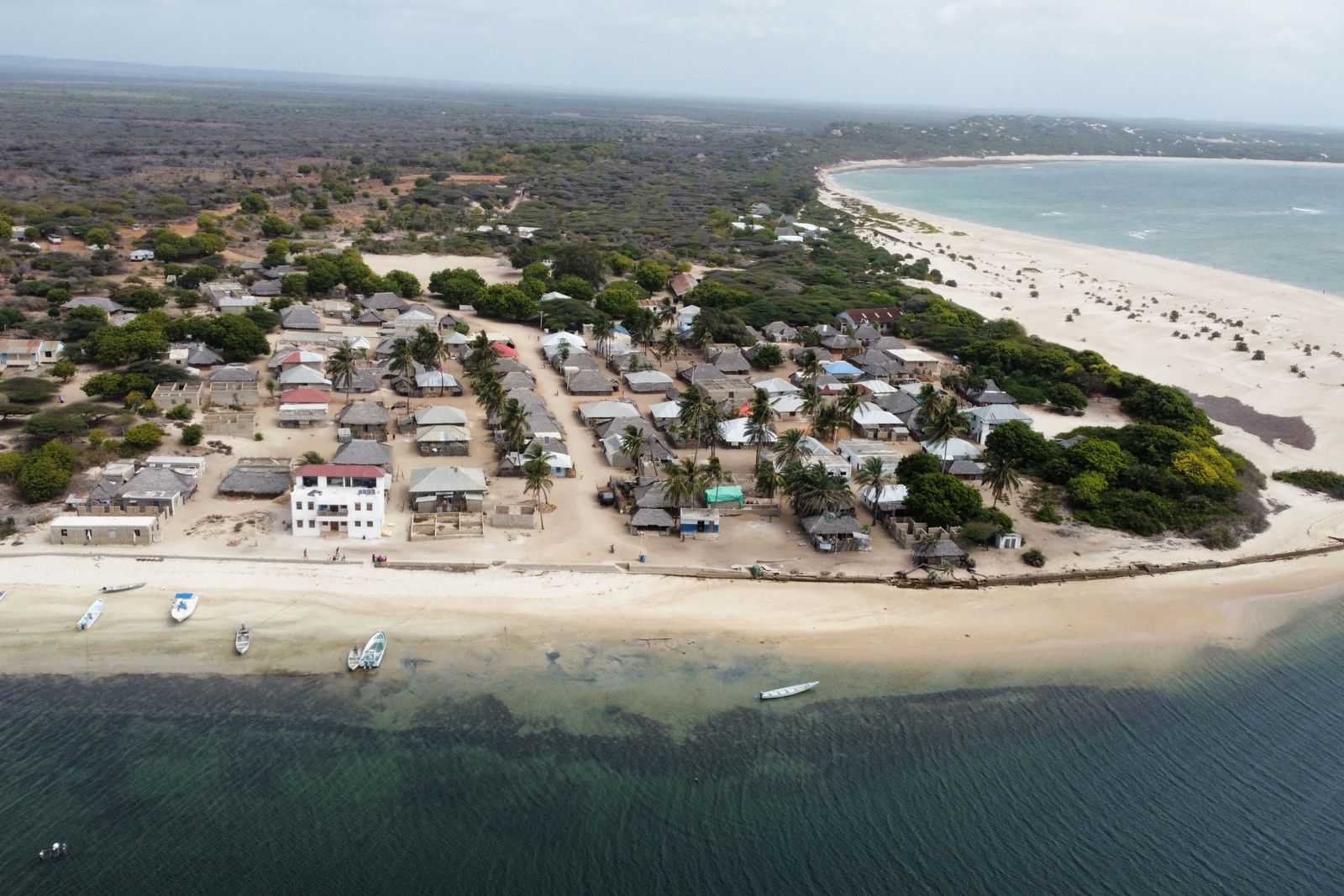
Where to Stay in Lamu (2026): Old Town vs Shela Beach vs the Outer Islands
The Lamu decision-shaped base guide — Shela village vs Lamu Town vs the Manda outer-island cluster, the named coral-stone houses and barefoot lodges in each, and the exact case for which base delivers the textbook Swahili-coast week for which traveller.
May 16, 2026 · 14 min read
 Destinations
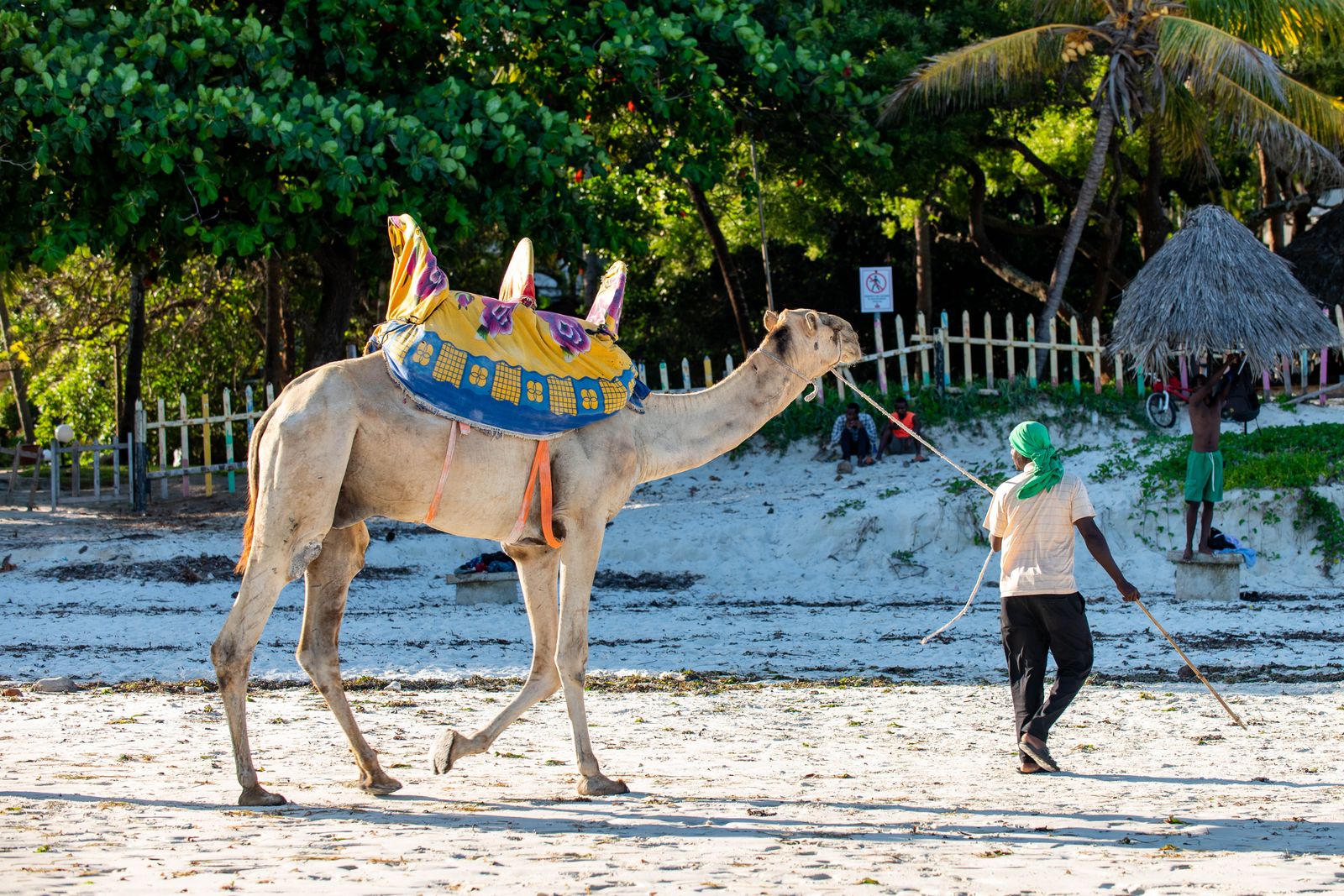
Lamu 3 Nights vs 5 Nights (2026): The Dhow-Included Routing Decision
The Lamu trip-structure decision-shaped guide — when the textbook three-night Lamu safari-finish delivers the trip, when the five-night Lamu rhythm justifies the extra calendar, and the exact dhow-day count plus Wilson-Manda routing through the Safarilink and Air Kenya rails.
May 16, 2026 · 14 min read
Sources
- Numbeo cost-of-living — Masai Mara — verified 2026-05-13
- climate-data.org — Masai Mara — verified 2026-05-13
Last updated 2026-05-14 by The Lucalvry Edit.